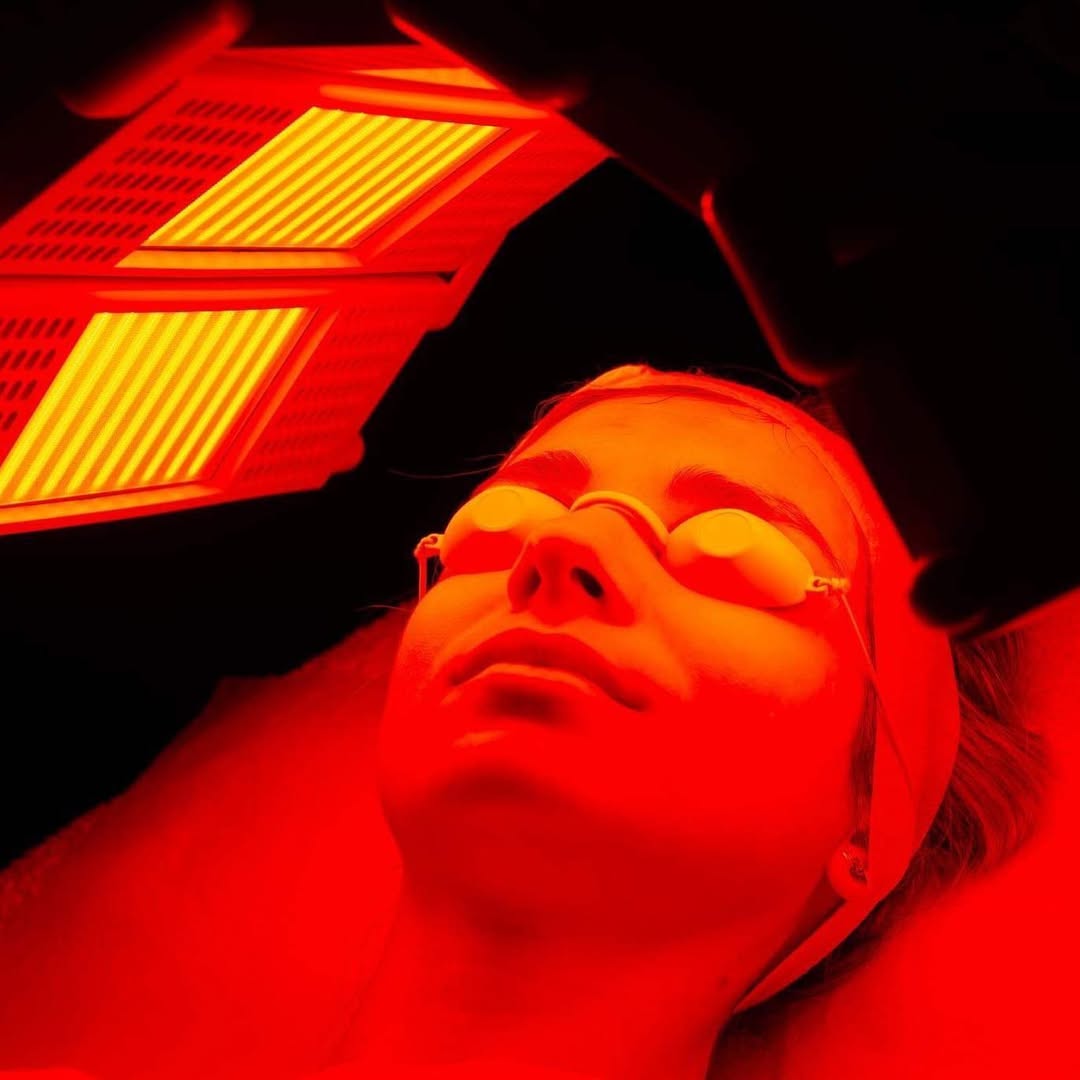
LED light therapy has become a clinically recognised approach for managing acne, particularly when treatments are delivered using medical-grade technology designed for professional environments.
For clinics evaluating the most effective LED light therapy mask for acne, performance depends on scientific accuracy rather than marketing claims. Wavelength precision, light distribution, and output stability all influence how effectively LED technology supports clinical acne treatment protocols.
At Aesthetic Bureau, we design and supply professional systems including advanced LED light therapy machines used by clinics, dermatology practices, and aesthetic practitioners seeking reliable device-based solutions for conditions such as acne. Understanding how LED technology functions in clinical practice helps practitioners assess whether a mask-based system can deliver consistent therapeutic outcomes.
Why LED Light Therapy Is Used for Acne
Clinical research shows that specific wavelengths of light can target biological processes involved in acne development.
Blue light wavelengths, typically around 415 nm, help target Cutibacterium acnes, the bacteria associated with inflammatory acne. When exposed to blue light, the bacteria produce reactive oxygen species that contribute to bacterial reduction on the skin.
Red light wavelengths, commonly between 630–660 nm, are used to support the skin’s recovery response by helping reduce inflammation and encouraging cellular repair.
When combined within LED acne therapy protocols, these wavelengths allow clinicians to address both bacterial activity and inflammatory pathways associated with acne while avoiding invasive procedures or extended downtime.
Clinics implementing professional acne protocols often integrate medically engineered LED devices to ensure stable wavelength delivery and reliable treatment performance.
What Makes an LED Light Therapy Mask Effective for Acne
Not all LED masks provide the same level of therapeutic performance. For clinical environments, effectiveness is determined by measurable device characteristics rather than consumer-focused features.
Wavelength Precision
Acne treatment protocols rely on accurate blue and red wavelengths. Masks engineered with precise wavelength output help ensure light energy interacts with the biological targets involved in acne management.
Uniform Light Distribution
Even light coverage across the treatment area is important for treatment consistency. Masks with uneven distribution may create areas of insufficient exposure, which can affect overall treatment reliability.
Output Stability
Clinically designed LED systems maintain stable light output across repeated treatment sessions. Consistency helps practitioners deliver predictable results across multiple patients.
Compliance With Medical Manufacturing Standards
Professional LED technology is commonly manufactured under recognised quality frameworks such as ISO 13485:2016, supporting safety, traceability, and device reliability.
Clinics evaluating treatment technologies often prioritise professional-grade LED light therapy systems engineered specifically for clinical environments rather than consumer electronics.
LED Masks vs Professional LED Panel Systems
While LED masks can be used in acne protocols, many clinics compare mask-based devices with larger professional LED platforms when selecting technology for clinical environments.
LED Masks
LED masks typically provide targeted facial coverage and can be integrated into treatment protocols for facial acne management. Their design allows hands-free operation during treatments.
However, some clinics find that masks may offer limited flexibility when addressing broader treatment areas or varying skin conditions.
Professional LED Panel Systems
Panel-based platforms and clinical LED systems are designed to deliver higher output stability and broader treatment coverage. These systems are often used for medical LED acne device applications where practitioners require greater control over treatment parameters.
Many clinics evaluating acne technology ultimately assess LED Light Therapy Machine platforms that support multiple wavelengths, adjustable treatment protocols, and expanded treatment areas beyond the face.
Both approaches rely on the same photobiomodulation principles, but professional systems may provide additional flexibility for clinics treating multiple skin indications.
Clinical and Operational Considerations for Clinics
From an operational perspective, LED acne treatments are valued for their simplicity and efficiency within clinical workflows.
Professional LED acne therapy devices can offer several advantages for clinics:
- minimal consumable costs
- low maintenance requirements
- suitability for a wide patient population
- compatibility with other device-based treatments
Clinics integrating reliable LED light therapy machines often report strong patient acceptance and consistent treatment outcomes when LED therapy is incorporated into structured acne management protocols.
Supporting Reliable Acne Treatment Outcomes
The most effective LED light therapy mask for acne is defined by engineering precision, wavelength accuracy, and device reliability rather than cosmetic design or consumer popularity.
When LED technology is developed for professional environments, clinicians can deliver consistent photobiomodulation treatments that target acne pathways while supporting skin recovery and patient comfort.
Clinics evaluating LED technology through this lens are better positioned to implement evidence-based acne treatments while maintaining patient confidence and long-term clinical performance.