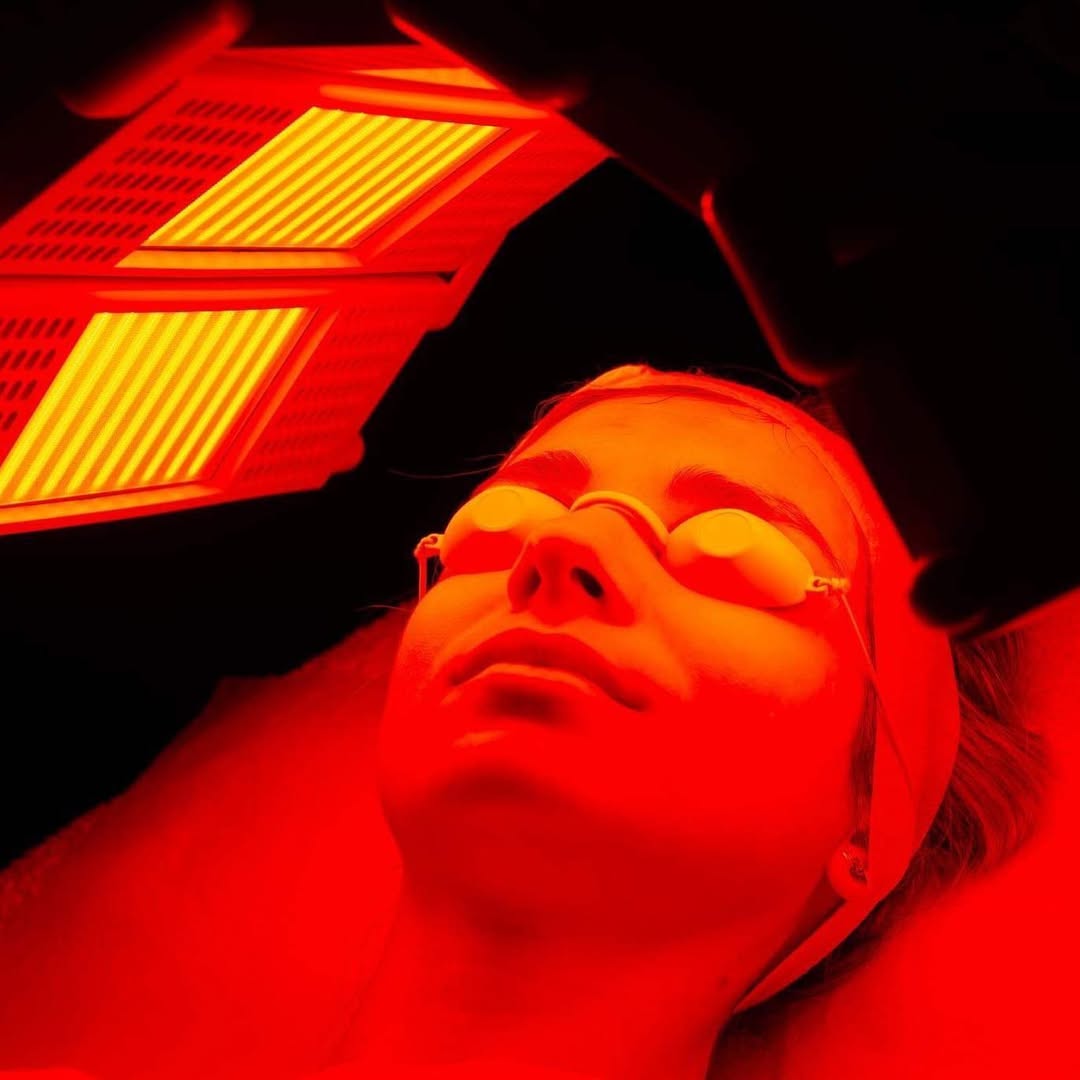
Selecting the right medical grade led light therapy machine is a critical decision for clinics aiming to deliver consistent outcomes while maintaining operational efficiency.
With LED technology becoming an integral part of modern aesthetic and wellness protocols, practitioners need more than surface-level comparisons. The focus should remain on clinical reliability, engineering quality, and long-term return on investment.
What Defines a Medical Grade LED Light Therapy Machine
A medical-grade system is designed for professional use, where precision, safety, and repeatability are essential. Unlike consumer devices, these systems are engineered to deliver controlled wavelengths, stable energy output, and consistent treatment performance across multiple sessions.
Clinics rely on this level of consistency to support predictable patient outcomes. Medical-grade devices are also developed within regulated manufacturing environments, ensuring alignment with recognised quality standards and clinical expectations.
Key Technical Factors to Evaluate
Wavelength Accuracy and Clinical Relevance
LED therapy is grounded in photobiomodulation, where specific wavelengths interact with biological tissue to support targeted outcomes. Red light is commonly associated with collagen stimulation and skin rejuvenation, while near infrared wavelengths penetrate deeper to assist with cellular repair and circulation.
A high quality medical grade led light therapy machine should clearly define its wavelength ranges and demonstrate their relevance to clinical protocols. Systems that lack this transparency often limit a clinic’s ability to deliver evidence-based treatments.
Energy Output and Treatment Consistency
Consistent energy delivery is essential for reproducible results. Devices should provide uniform light distribution across the treatment area, avoiding uneven exposure that can affect outcomes.
Clinics that prioritise consistency are better positioned to standardise protocols, improve patient trust, and optimise treatment efficiency over time.
Clinical Applications and Treatment Versatility
LED therapy supports a wide range of clinical applications, from skin rejuvenation and acne management to post-procedure recovery and inflammation reduction. For many clinics, versatility is a key factor when selecting a device.
Systems such as the LED Light Therapy Machine are designed to integrate into diverse treatment plans, allowing practitioners to expand their service offerings without disrupting existing workflows. This flexibility enables clinics to address multiple patient concerns while maintaining treatment consistency.
For clinics exploring full-body applications, the Total Xen Red Light Bed offers comprehensive light exposure across larger surface areas. This supports practices focused on recovery, wellness, and broader treatment coverage, where uniformity and efficiency are essential.
Compliance, Safety, and ISO Standards
Regulatory compliance plays a central role in device selection. Manufacturing standards such as ISO 13485:2016 indicate that a system has been developed under strict quality management processes specific to medical devices.
For Australian clinics, this level of compliance provides confidence in both safety and reliability. It also reflects a manufacturer’s commitment to traceability, risk management, and ongoing product performance.
Training, Support, and Implementation
Even the most advanced technology requires proper implementation. Clinics benefit from manufacturers that prioritise education, ensuring practitioners understand treatment parameters, safety protocols, and device optimisation.
A training-first approach allows clinics to integrate LED technology more effectively, reducing the learning curve and improving patient outcomes from the outset. Ongoing support also ensures that practitioners can adapt protocols as their services evolve.
Evaluating ROI for Your Clinic
Investment decisions in aesthetic technology are closely tied to business performance. A well selected medical grade led light therapy machine can contribute to increased patient engagement, repeat treatments, and expanded service offerings.
Clinics often observe improvements in operational efficiency when LED therapy is integrated into existing workflows. Its non-invasive nature and compatibility with other treatments make it a valuable addition to a comprehensive treatment strategy.
Rather than viewing the device as a standalone purchase, successful clinics assess how it contributes to long-term growth, client satisfaction, and service differentiation.
Choosing a Trusted Manufacturer
The credibility of the manufacturer is just as important as the technology itself. Clinics should look for providers with a strong engineering foundation, proven clinical training experience, and a commitment to evidence-based development.
Aesthetic Bureau reflects this approach by combining over 30 years of engineering expertise with ISO certified manufacturing standards. As a supplier and educator, the focus remains on supporting clinics with reliable systems that align with real-world clinical needs.
Conclusion
Choosing the right medical grade led light therapy machine requires a balanced evaluation of technical performance, clinical relevance, and business impact. Clinics that prioritise wavelength accuracy, treatment consistency, compliance, and training support are better positioned to deliver reliable outcomes.
In a competitive landscape, the right LED system does more than expand treatment options. It strengthens clinical confidence, enhances patient satisfaction, and supports sustainable practice growth through dependable, evidence-based technology.