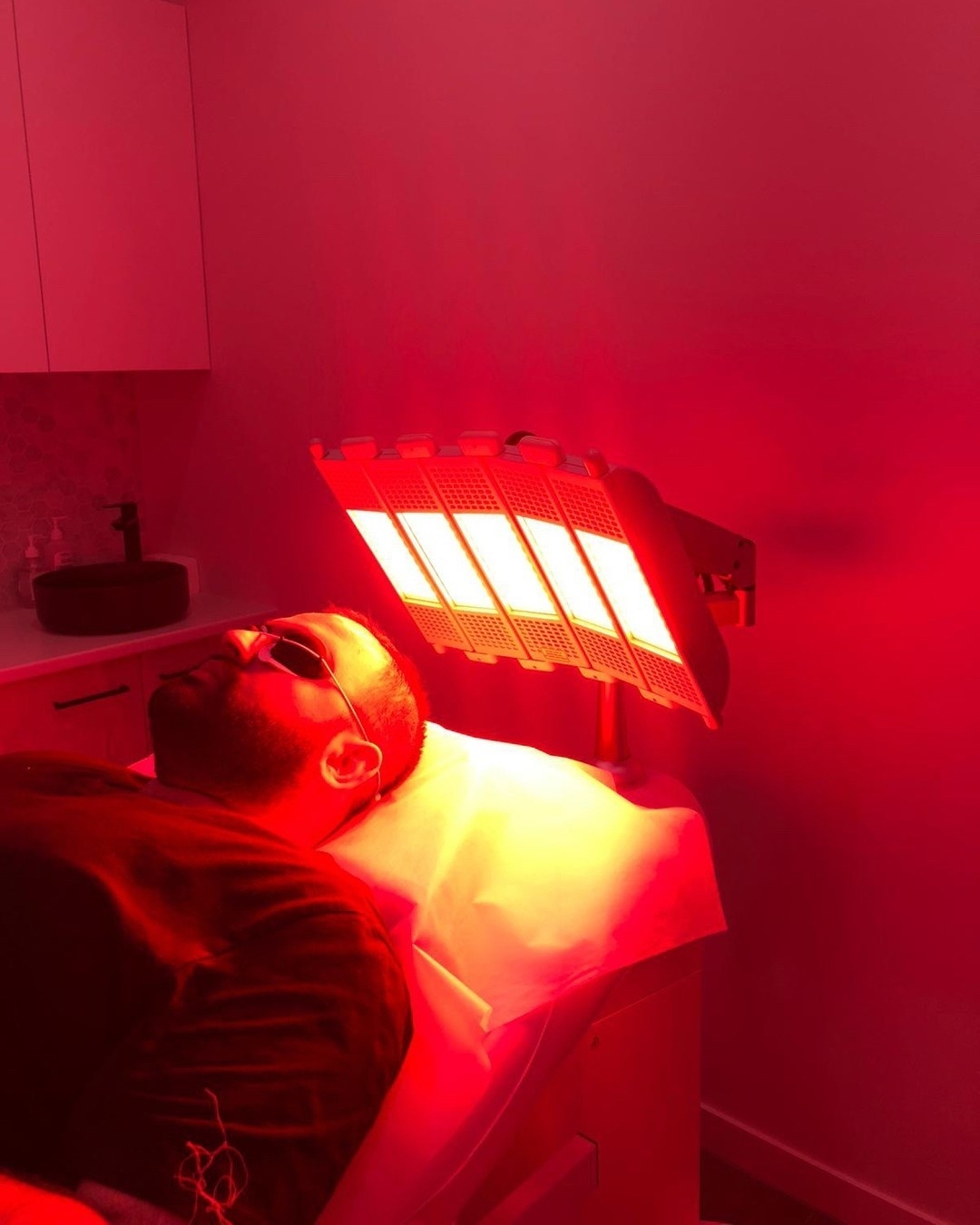
Red light therapy, also known as photobiomodulation, is used in professional skin care settings to support collagen-related skin rejuvenation and improve the visible signs of ageing.
The key question for clinics is not simply whether it works, but how long to use red light therapy for wrinkles without overstimulating the skin or compromising patient comfort.
Evidence suggests that consistent, moderate sessions are the safest and most practical approach, rather than extending exposure in the hope of faster results.
The practical answer: keep sessions controlled and consistent
There is no single universal session length that suits every device, wavelength, or treatment protocol. In clinical studies, facial red and LED photobiomodulation protocols have commonly used sessions of around 10 to 20 minutes, repeated over several weeks.
One controlled trial used eight treatments over four weeks, with 10- or 20-minute exposure periods, while another facial ageing study used two sessions per week. These study designs support a simple clinical principle: results depend more on consistency and correct dosing than on longer exposure.
For many professional protocols, a conservative starting point is to follow the device manufacturer’s recommended treatment time and frequency, then review skin response before increasing use. In practice, that often means short, repeated sessions rather than extended treatment periods.
Why longer is not always better
Red light therapy is not the same as heat-based skin treatment. Its benefit comes from light energy delivered at the correct dose, not from simply leaving the device on for longer. That matters because overexposure can lead to unnecessary irritation, warmth, or temporary redness without improving outcomes.
The American Academy of Dermatology notes that red light therapy appears short-term safe, with the most common side effects being mild and temporary, such as irritated skin or mild pain.
That is why well-designed protocols focus on device specification, irradiance, wavelength, and treatment spacing. A session that is too long for one device may be appropriate for another, which is one reason clinics should treat “minutes per session” as a guide, not a fixed rule.
What the research suggests about wrinkles
Clinical research has reported improvements in photoaged skin, including better skin texture and wrinkle-related outcomes, after repeated red light or LED photobiomodulation treatments.
Studies and reviews describe benefits linked to collagen stimulation, improved skin appearance, and reduced visible signs of ageing when treatments are delivered consistently over time. The results are generally gradual rather than immediate, which is why realistic patient education is essential.
For clinicians, that means the goal is not to chase an aggressive treatment schedule. The goal is to deliver a controlled protocol that the skin can tolerate well, while monitoring cumulative response across a series of sessions.
How to avoid damaging skin
To support skin safety, clinics should emphasise a few fundamentals. First, always use a medically or professionally designed device with clear operating instructions. Second, do not exceed the recommended exposure time in pursuit of faster wrinkle reduction.
Third, monitor for sensitivity, heat, redness, or discomfort, particularly in clients with reactive skin. Fourth, protect the eyes appropriately and screen for light sensitivity where relevant. The AAD notes that short-term use appears safe, but temporary irritation can occur.
A good rule for professional practice is to start conservatively, assess tolerance, and maintain consistency. That approach supports both skin safety and treatment reliability.
Choosing the right platform for clinic use
For clinics looking to expand their non-invasive skin technology offering, device quality and protocol control matter as much as the light itself. Aesthetic Bureau’s LED Light Therapy Machine and Total Xen Red Light Bed are designed for professional environments where consistency, patient comfort, and repeatable workflows are essential.
That is especially important in wrinkle-focused treatment programs, where practitioner confidence, patient experience, and protocol discipline all influence perceived value and long-term clinic performance.
Final takeaway
So, how long should red light therapy be used for wrinkles without damaging skin? In most professional settings, the safest answer is: follow the device protocol, keep sessions moderate, and prioritise consistency over longer exposure. The evidence supports repeated, controlled treatments rather than excessive session times, and the skin generally responds best when therapy is delivered as part of a structured plan.
For clinics, the real advantage lies in using reliable equipment, clear treatment parameters, and evidence-based education to deliver predictable results with minimal downtime.