Back pain remains one of the most common musculoskeletal complaints treated in modern clinics. From physiotherapy and rehabilitation centres to wellness practices and aesthetic clinics expanding into recovery-focused services, practitioners are increasingly exploring light-based technologies to support patient outcomes.
This growing interest has led many professionals to evaluate which red light therapy device for back pain is most suitable for clinical use. However, selecting the right system involves far more than comparing marketing claims or device size.
Clinicians need to understand how photobiomodulation works, what the current evidence suggests, and which technical factors influence treatment consistency and patient experience.
As research into light therapy continues to evolve, professional clinics are focusing on evidence-based systems that deliver reliable performance, operational efficiency, and long-term clinical value.
Understanding Red Light Therapy for Back Pain
In clinical settings, red light therapy is often referred to as photobiomodulation or low-level light therapy. These technologies use specific wavelengths of red and near-infrared light to interact with cellular processes.
The proposed mechanism involves light energy being absorbed by mitochondria, potentially supporting cellular repair, circulation, and inflammatory modulation. This is why red light therapy for back pain is increasingly discussed in rehabilitation, sports recovery, and musculoskeletal treatment environments.
Unlike invasive procedures or pharmaceutical interventions, photobiomodulation is non-thermal and non-invasive. For clinics, this creates opportunities to integrate light-based protocols into broader treatment plans without significant downtime for patients.
Importantly, professional practitioners understand that outcomes depend heavily on treatment parameters, patient selection, and protocol consistency. The technology should be viewed as a supportive modality within a comprehensive care strategy rather than a stand-alone solution.
What Does the Research Say?
Research into photobiomodulation for musculoskeletal conditions has expanded considerably over the past decade. Several studies suggest that low-level light therapy may assist with pain reduction, tissue recovery, and functional improvement in some patients with acute or chronic low back pain.
However, the evidence remains mixed due to variations in:
- Wavelength selection
- Treatment duration
- Power density
- Frequency of sessions
- Patient populations
- Combination therapies
This variability is important for clinic owners evaluating the best red light therapy for back pain. Devices that provide controlled and repeatable treatment parameters are generally more valuable than systems marketed with exaggerated performance claims.
Clinical evidence increasingly supports the importance of near-infrared wavelengths for deeper tissue penetration. While red wavelengths are commonly associated with superficial skin applications and circulation support, near-infrared light is often explored for musculoskeletal and recovery-focused protocols because of its ability to reach deeper anatomical structures.
For practitioners, the takeaway is clear. Device quality, wavelength configuration, and treatment consistency matter significantly more than trend-driven marketing language.
Why Clinics Are Adding Red Light Therapy to Back Pain Protocols
Many Australian clinics are integrating red light systems into broader rehabilitation and wellness programmes because the technology aligns with several operational and clinical goals.
Non-Invasive Treatment Support
Patients increasingly seek conservative treatment approaches that complement physiotherapy, exercise rehabilitation, recovery protocols, and wellness services. Red light therapy provides clinics with a non-invasive modality that can be incorporated into multidisciplinary care pathways.
Operational Efficiency
Modern LED-based systems allow practitioners to deliver repeatable treatment sessions with minimal consumables or ongoing operational complexity. This can support workflow efficiency while expanding service offerings.
Patient Experience
Consistent treatment delivery and comfortable session experiences are important factors in patient satisfaction. Full-body or larger-coverage systems may also help clinics create premium recovery or wellness programmes that differentiate their services.
Broader Service Expansion
Many clinics now combine recovery, wellness, skin health, and rehabilitation services within the same practice model. Photobiomodulation technology offers flexibility across multiple treatment categories when supported by appropriate clinical protocols.
Key Features to Look for in a Red Light Therapy Device for Back Pain
Choosing the right device requires a clinical and operational assessment rather than a purely aesthetic comparison.
Wavelength Configuration
One of the most important considerations is wavelength selection. Red wavelengths are commonly associated with skin-focused applications, while near-infrared wavelengths are often selected for deeper tissue support.
Clinics treating musculoskeletal concerns should assess whether the device provides appropriate wavelength combinations for recovery and rehabilitation-focused protocols.
Treatment Coverage Area
Back pain protocols often require treatment across larger anatomical regions. Smaller handheld systems may suit highly targeted applications, while larger panel systems or full-body platforms can improve efficiency when broader coverage is required.
The right configuration depends on your clinic model, appointment structure, and patient demand.
Protocol Consistency
Evidence-based clinics value systems capable of delivering consistent energy output and repeatable treatment parameters. Consistency supports practitioner confidence, patient tracking, and long-term protocol standardisation.
Ease of Integration
Technology should fit seamlessly into clinic workflows. Factors such as treatment duration, room setup, practitioner training, and hygiene protocols all influence operational success.
Manufacturer Support and Training
Professional device suppliers should provide clinical education, technical guidance, and ongoing support. Clinics investing in advanced technology benefit from working with manufacturers that prioritise training and evidence-based implementation.
Comparing Localised Panels and Full-Body Systems
Clinics exploring the best red light therapy for back pain often compare compact panel systems with larger full-body platforms.
A targeted LED Light Therapy Machine may suit clinics delivering focused treatment protocols or integrating photobiomodulation into existing therapy rooms.
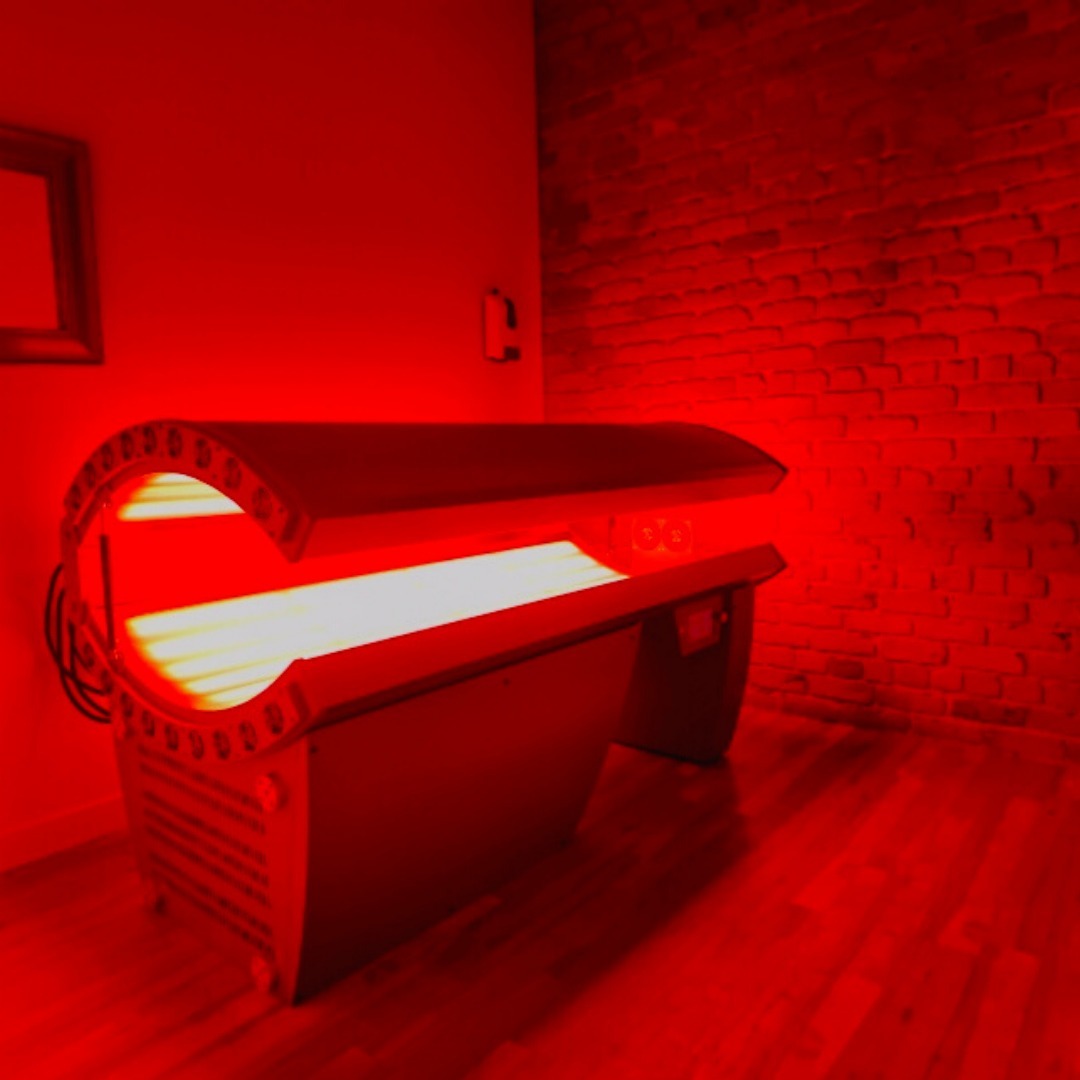
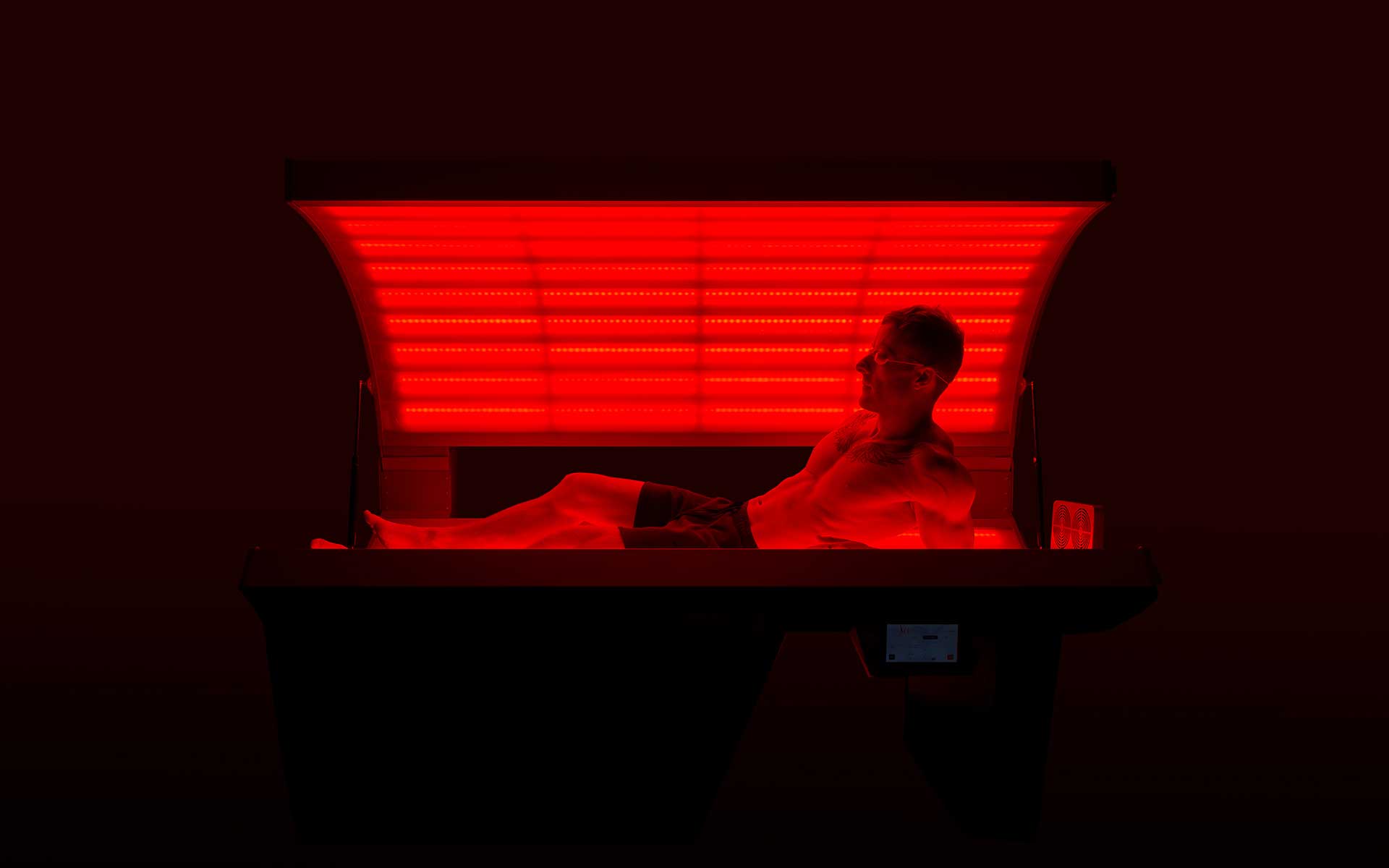
In contrast, the Total Xen Red Light Bed is designed for clinics seeking broader body coverage and immersive wellness or recovery experiences. Full-body systems may support operational efficiency in practices offering recovery-focused services, athletic support programmes, or comprehensive wellness pathways.
The ideal solution depends on clinic goals, patient demographics, available space, and treatment strategy.
Avoiding Common Mistakes When Choosing a Device
As demand for light-based therapies grows, clinics should remain cautious of oversimplified marketing claims.
Focusing Only on Device Appearance
Large panels and modern aesthetics do not automatically indicate clinical quality. Treatment consistency, engineering standards, and wavelength accuracy are more important than visual presentation.
Ignoring Clinical Workflow
A device may appear technically impressive but create inefficiencies within the clinic environment. Workflow integration should always be part of the purchasing decision.
Overlooking Compliance and Manufacturing Standards
Professional clinics should prioritise systems manufactured under recognised quality standards. ISO 13485:2016 alignment is particularly relevant for practices seeking reliable medical and aesthetic technology partners.
Expecting Stand-Alone Outcomes
Photobiomodulation is most effective when integrated into broader patient management strategies that may include rehabilitation exercises, physiotherapy, recovery protocols, and practitioner-guided care.
Why Professional Clinics Prioritise Evidence-Based Manufacturers
Australian clinics increasingly value suppliers that combine engineering expertise with ongoing education and long-term support.
Aesthetic Bureau’s approach reflects this industry shift. Rather than positioning technology through exaggerated consumer marketing, the company focuses on clinically informed systems developed for professional environments.
With more than 30 years of engineering and training experience, Aesthetic Bureau supports clinics seeking reliable LED, IPL, laser, and RF technologies that align with operational performance, practitioner confidence, and patient satisfaction goals.
For clinics evaluating red light systems for back pain protocols, reliability and consistency remain critical factors in long-term success.
Final Thoughts
Choosing a red light therapy device for back pain requires careful consideration of clinical evidence, wavelength selection, treatment coverage, operational workflow, and manufacturer support.
While research into red light therapy for back pain continues to evolve, many clinics are incorporating photobiomodulation into broader rehabilitation and wellness programmes because of its non-invasive nature and growing evidence base.
Ultimately, the best red light therapy for back pain is not simply the most heavily marketed device. It is the system that delivers reliable performance, integrates efficiently into professional practice, and supports consistent patient care within an evidence-based clinical framework.