In clinical and aesthetic practice, photobiomodulation has become a cornerstone technology for supporting cellular recovery, tissue repair, and skin rejuvenation.
Understanding how this mechanism works helps clinics make informed decisions about integrating red light therapy devices into their treatment offerings and client care protocols.
Understanding What Photobiomodulation Is
Before discussing what photobiomodulation is used for, it is important to clarify the term itself. Photobiomodulation (PBM) refers to the process by which specific wavelengths of light, typically in the red and near-infrared spectrum, interact with cellular structures to trigger a biological response.
This interaction occurs within the mitochondria energy centres of the cellwhere light photons stimulate the production of adenosine triphosphate (ATP). This increased cellular energy supports faster repair, improved function, and overall tissue health.
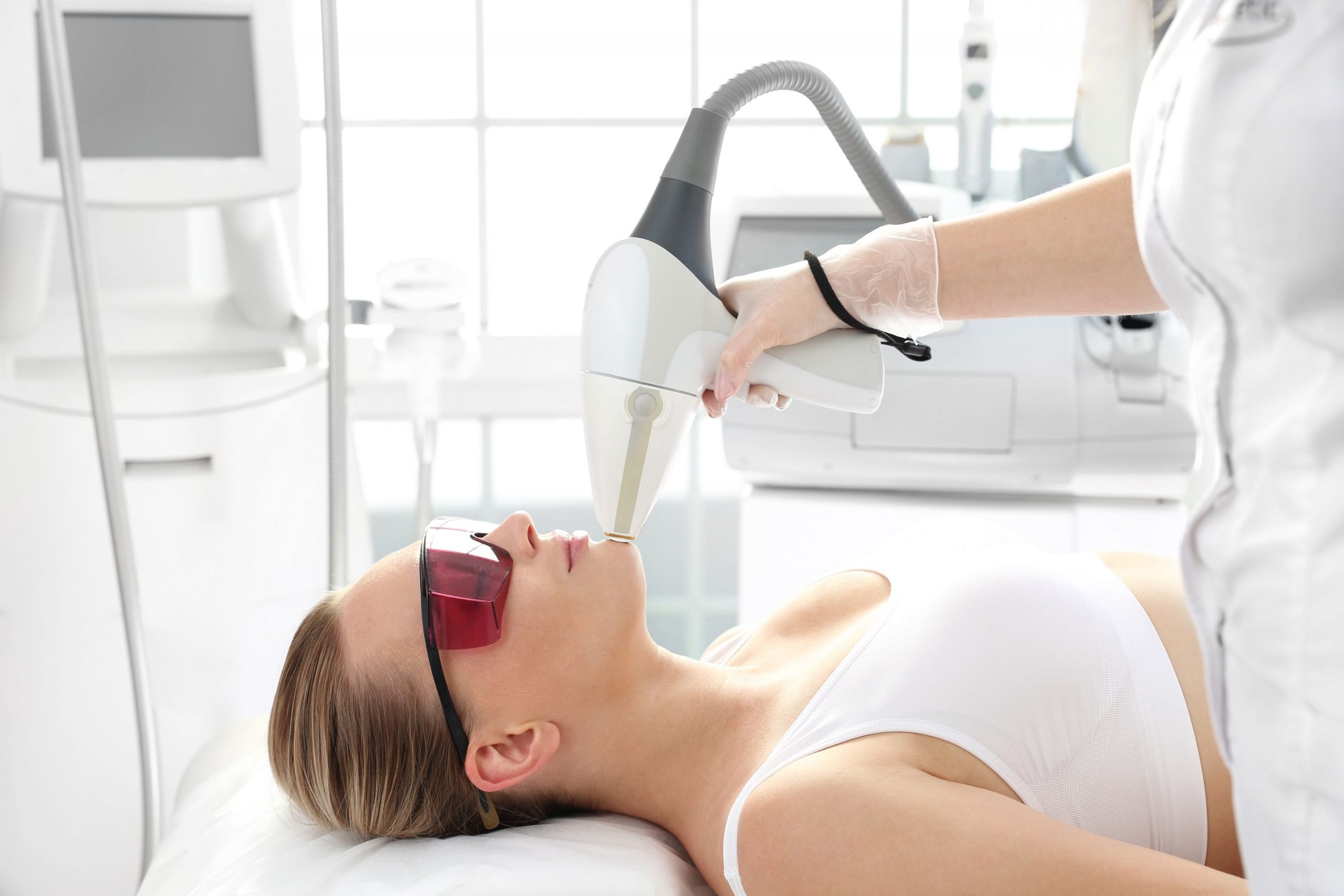
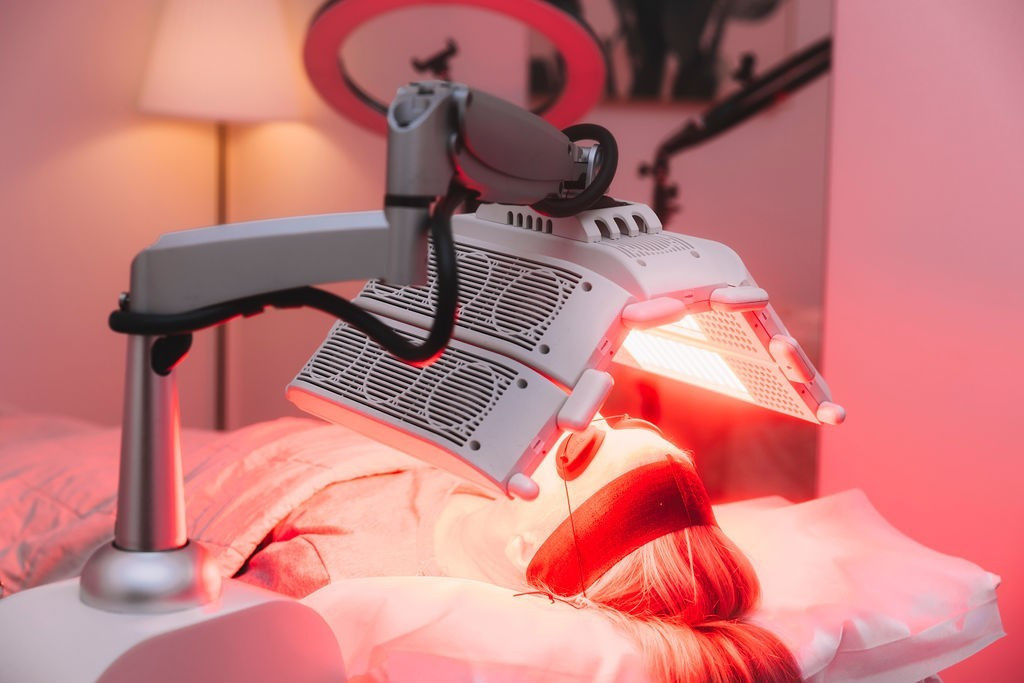
In clinical environments, PBM is delivered through medical-grade LED systems such as Aesthetic Bureau’s LED Light Therapy Machine or full-body systems like the Total Xen Red Light Bed, both designed to deliver uniform and consistent light exposure for professional use.

What Is Photobiomodulation Used For in Clinical Settings?
Clinicians and wellness professionals use photobiomodulation for a wide range of therapeutic and aesthetic purposes. While outcomes vary according to wavelength, dosage, and treatment protocol, PBM is generally applied to achieve the following benefits:
1. Skin Rejuvenation and Collagen Support
One of the most recognized uses of photobiomodulation is its ability to stimulate fibroblast activity and promote collagen production. This helps improve skin tone, elasticity, and texture, making PBM a valuable addition to rejuvenation protocols that address fine lines and age-related changes.
2. Wound Healing and Tissue Repair
PBM enhances cellular metabolism and circulation, helping accelerate the body’s natural healing process. Clinics often integrate it to support post-procedure recovery or to assist with minor wounds and inflammation management.
3. Muscle Recovery and Pain Management
Beyond aesthetics, red light therapy is frequently utilized in physiotherapy and wellness settings. By increasing blood flow and reducing oxidative stress, PBM helps alleviate muscle soreness and joint stiffness, a technique increasingly adopted by sports recovery clinics and wellness practitioners.
4. Reduction of Inflammation
Inflammation is a common underlying factor in many skin and musculoskeletal conditions. Photobiomodulation assists by modulating inflammatory mediators, leading to improved comfort and reduced redness in the treated area.
5. Enhancing Circulation and Cellular Function
Regular PBM exposure supports microcirculation and cellular oxygenation. For clinics offering holistic or wellness-oriented programs, this can complement broader health and recovery treatments.
Clinical Reliability and Professional Integration
What makes photobiomodulation a preferred choice among professionals is its strong clinical evidence base and low-risk profile. It is a non-invasive, pain-free method that integrates seamlessly into both aesthetic and therapeutic settings.
Aesthetic Bureau’s LED and red light systems are engineered for consistency, safety, and efficacy, ensuring that every treatment delivers uniform light distribution for predictable outcomes.
With ISO 13485:2016 certification, the company maintains the highest standards of manufacturing quality and compliance assurance that is essential for clinics prioritizing reliability and return on investment.
Supporting Long-Term Results and Patient Satisfaction
Clinics that implement PBM technology report improvements in patient satisfaction and treatment flexibility.
Whether used as a standalone therapy or combined with other modalities, photobiomodulation enables professionals to expand service menus while supporting evidence-based results.
By investing in devices designed and manufactured by Aesthetic Bureau, clinics gain more than advanced technology access, ongoing education, engineering support, and clinical guidance built on over three decades of industry experience.
Conclusion
In essence, photobiomodulation represents the scientific foundation of modern red light therapy. For professionals asking, “What is photobiomodulation used for?”, the answer lies in its wide-ranging ability to enhance cellular repair, reduce inflammation, and promote rejuvenation at a biological level.
As clinics continue to seek safe, non-invasive solutions with proven outcomes, PBM remains one of the most versatile and evidence-based technologies available today.
With Aesthetic Bureau’s precision-engineered LED and red light systems, Australian professionals can confidently integrate this science into their practice to deliver results their clients trust.