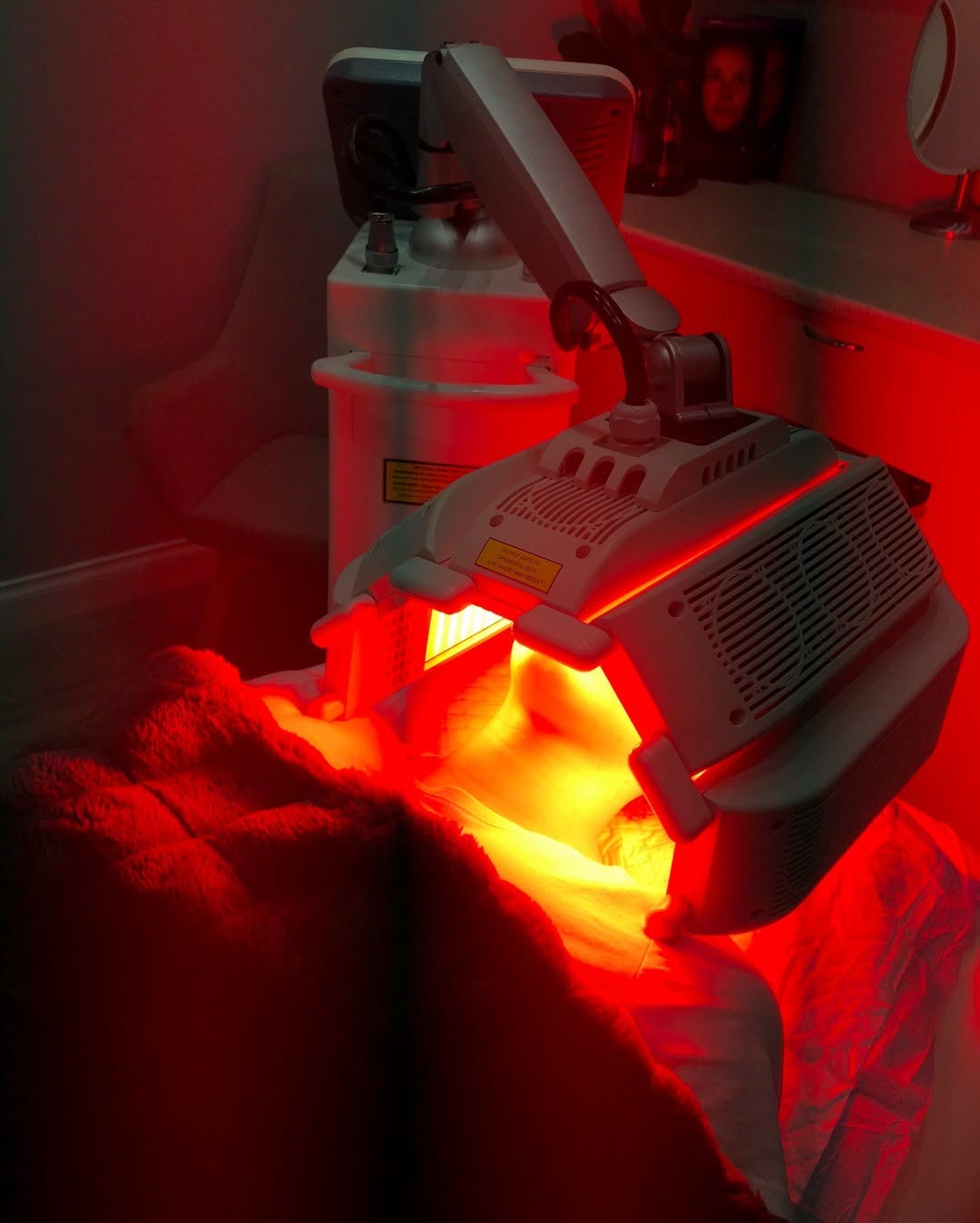
For clinics, spas and wellness businesses, adding an infrared light therapy bed is a significant investment. It affects your treatment menu, your floor plan, your staffing and your return on investment.
With so many systems on the market, the decision deserves more than a comparison of price and appearance.
This guide outlines the key factors Australian practitioners and practice owners should consider before choosing an infrared therapy bed, from wavelength specifications and safety standards through to training, support and long-term performance.
Understanding Infrared Bed Therapy
Infrared bed therapy is based on photobiomodulation, the use of specific wavelengths of light to interact with tissue. Most systems in this category deliver red and near-infrared light, and research continues to explore how these wavelengths may influence cellular repair, circulation and collagen stimulation.
The same principles underpin targeted devices such as a professional LED light therapy machine. The key difference with a bed format is scale. A bed allows consistent, full-body light exposure in a single session, which suits clinics that want to support recovery, skin rejuvenation and overall client wellbeing within a structured treatment protocol.
Because results depend on correct wavelength selection, dose and protocol, understanding the technology is the first step in choosing the right system.
1. Wavelength Specifications and Transparency
Not every infrared light therapy bed is built to the same standard. Ask the supplier to document the wavelengths the system delivers and to explain how those wavelengths relate to the published literature on photobiomodulation.
A reputable manufacturer should be able to explain its design decisions clearly and without exaggeration. Be cautious of broad claims that are not supported by technical documentation or independent research.
2. Evidence and Clinical Protocols
The best-performing systems are those supported by sound protocols and professional experience. When evaluating an infrared therapy bed, consider:
- Whether the supplier can point to peer-reviewed research relevant to the wavelengths used
- Whether suggested treatment protocols are provided for different client needs
- Whether feedback from practising clinics is available
Outcomes should always be framed as observed or reported, not promised. This protects your clinic’s credibility and sets realistic expectations with clients.
3. Safety, Compliance and Manufacturing Standards
Safety is non-negotiable in a professional environment. Before purchasing, confirm:
- Whether the manufacturer operates under a recognised quality management system such as ISO 13485:2016, the standard for medical device manufacturing
- How the device is classified and supplied for professional use in Australia, including any Therapeutic Goods Administration (TGA) requirements that apply
- What electrical safety testing and documentation is available
- What eye protection and client screening guidance is provided
An Australian-owned manufacturer operating under ISO-certified processes gives clinics greater confidence in both product reliability and local support.
4. Consistency and Coverage of Light Exposure
One of the main advantages of a bed format is the potential for even, repeatable exposure across the body. Uneven coverage can make protocols harder to standardise and results harder to assess.
When reviewing options, look at the layout of the light sources, the treatment surface and how the system supports consistent positioning. The Total Xen red light bed is designed to help clinics deliver consistent, full-body light exposure to support recovery and rejuvenation, which is the type of reliability practitioners should look for in any system they consider.
5. Training and Ongoing Support
Technology is only as effective as the team using it. Clinics achieve the strongest outcomes when staff are confident with protocols, client consultation and day-to-day operation.
Ask potential suppliers what training is included at installation, whether ongoing education is available, and how technical support is handled. Manufacturers with a training-first approach, built on clinical and engineering experience, are generally better placed to help your team integrate a new service smoothly.
6. Space, Power and Workflow
A bed is a physical commitment. Before choosing a system, consider:
- The treatment room dimensions and access for delivery and installation
- Power requirements and electrical capacity
- How the service fits into your scheduling and client flow
- Cleaning and hygiene procedures between sessions
Planning these details early avoids costly adjustments after purchase.
7. Return on Investment
An infrared light therapy bed should be evaluated as a business asset. Consider the cost of the system alongside its durability, running costs, service and warranty arrangements, and the revenue potential of the treatments or memberships it supports.
Clinic performance improves when a device is dependable, easy to operate and well supported. Systems that integrate smoothly into existing workflows can help improve operational efficiency and client satisfaction over time.
Why Choosing an Australian Manufacturer Matters
Working directly with a manufacturer gives clinics access to the engineering knowledge behind the device, not just the sales process. Aesthetic Bureau combines over 30 years of engineering experience with ISO-certified manufacturing to supply systems trusted by professionals across Australia.
As a manufacturer and educator, not a treatment provider, Aesthetic Bureau focuses on equipping clinics with reliable, evidence-based technology and the training to use it well.
Final Thoughts
Choosing an infrared therapy bed is a decision that affects clinical outcomes, client experience and business growth. By assessing wavelength transparency, evidence, safety standards, consistency of exposure, training and long-term value, practice owners can select a system that supports both patient care and profitability.
To learn more about professional light therapy technology available to Australian clinics, explore the LED light therapy machine range or the Total Xen red light bed from Aesthetic Bureau.