Red light therapy for wrinkles is usually discussed under the broader term photobiomodulation. In the clinical literature, it has been studied as a non-thermal light-based approach for facial rejuvenation, with results depending on wavelength, dose, treatment frequency, and the area treated.
The strongest evidence comes from controlled trials that measure wrinkle change, skin roughness, and collagen-related outcomes rather than relying on photographs alone.
What Clinical Studies Reveal About Before and After Results
A 2014 controlled trial involving 136 volunteers found that twice-weekly treatment with polychromatic red light improved skin complexion, reduced profilometrically measured skin roughness, and increased intradermal collagen density when compared with controls.
The authors concluded that both red-light-only and broader-spectrum photobiomodulation approaches showed efficacy and safety for skin rejuvenation.
Earlier clinical work also supports a wrinkle-focused effect. A 2006 study of combined 633 nm and 830 nm LED treatment reported a statistically significant improvement in wrinkles after profilometric analysis, with many participants also reporting softer, smoother, firmer skin.
Electron microscopy showed thicker collagen fibres after treatment, which is one of the more relevant biological findings for clinics assessing photobiomodulation for photoaging.
More recent evidence is equally relevant for “before and after” expectations. In a 2023 split-face randomised clinical trial, 137 women received 10 sessions over 4 weeks using red 660 nm and amber 590 nm light at the same dose.
The study reported a significant reduction in periocular wrinkle volume after red light, and the abstract reports a 31.6% reduction for red light and 29.9% for amber light. Notably, the treatments did not improve skin hydration or viscoelasticity in that trial, which is a useful reminder that wrinkle reduction and overall skin quality do not always move in lockstep.
Why Before and After Photography Alone Is Not Enough
For clinicians, the most credible before and after comparison is not a single flattering photograph. It is a combination of standardised imaging, wrinkle scoring, and objective measurement.
The studies above used tools such as blinded photographic assessment, profilometry, ultrasound collagen density measurement, optical coherence tomography, and wrinkle volume analysis, which give a far more reliable picture of treatment response than casual visual comparison.
This is also why protocol consistency matters. The literature uses different wavelengths, treatment frequencies, session counts, and measurement methods, which means clinics should be cautious about importing one study’s result into a completely different device setup.
The evidence supports the modality, but the outcome is still shaped by the quality of the device, the treatment protocol, and practitioner training.
What clinics should look for in red light therapy devices for wrinkles?
When assessing red light therapy devices for wrinkles, the key is reproducibility. Studies that reported positive outcomes used defined wavelengths, controlled session schedules, and measurable dose parameters.
That is one reason professional-grade systems tend to be favoured in clinic settings, because they support more consistent delivery than ad hoc consumer devices.
The clinical literature also suggests that some outcomes, such as wrinkle depth or collagen density, may respond differently to hydration or elasticity, so treatment planning should be aligned with the specific goal.
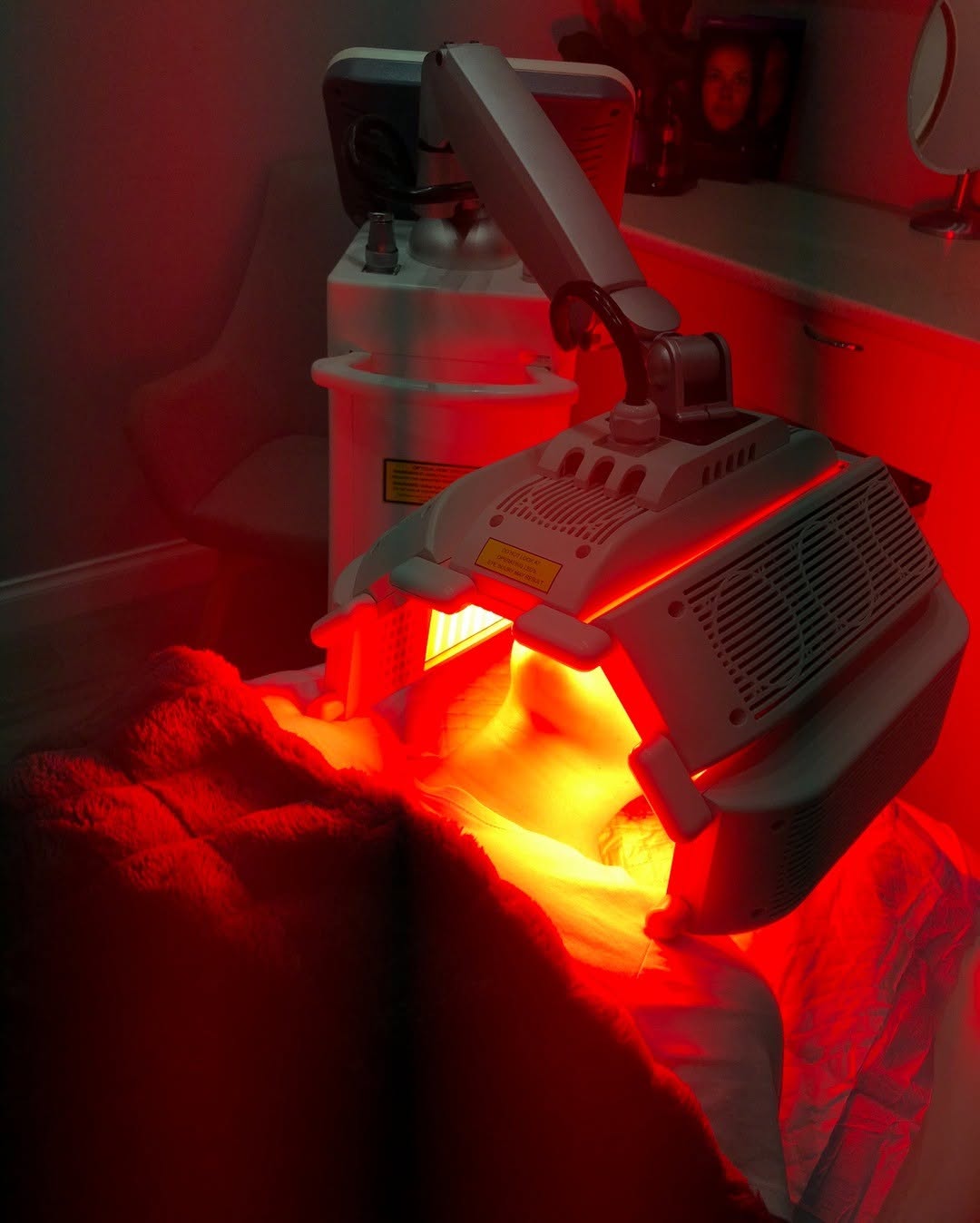
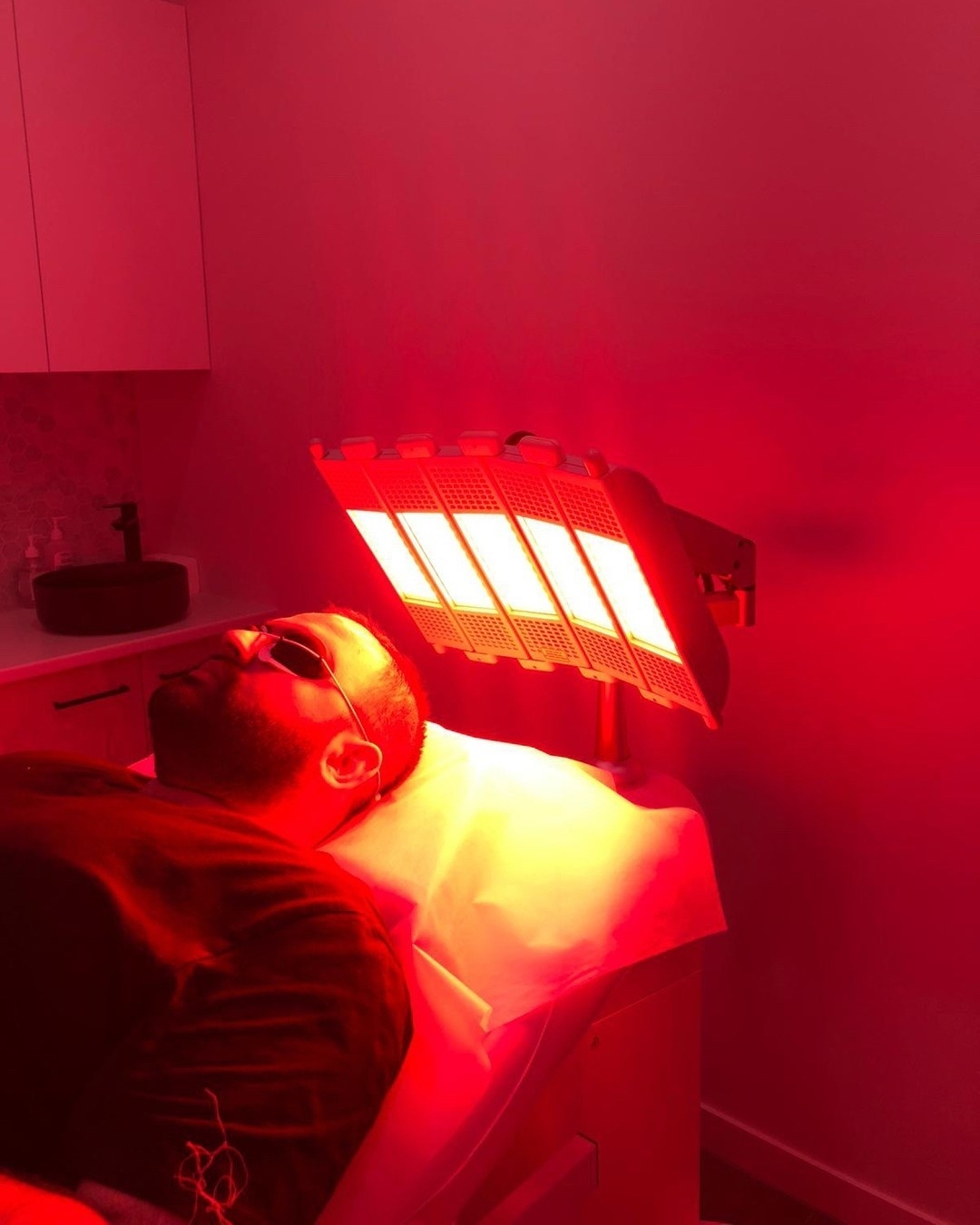
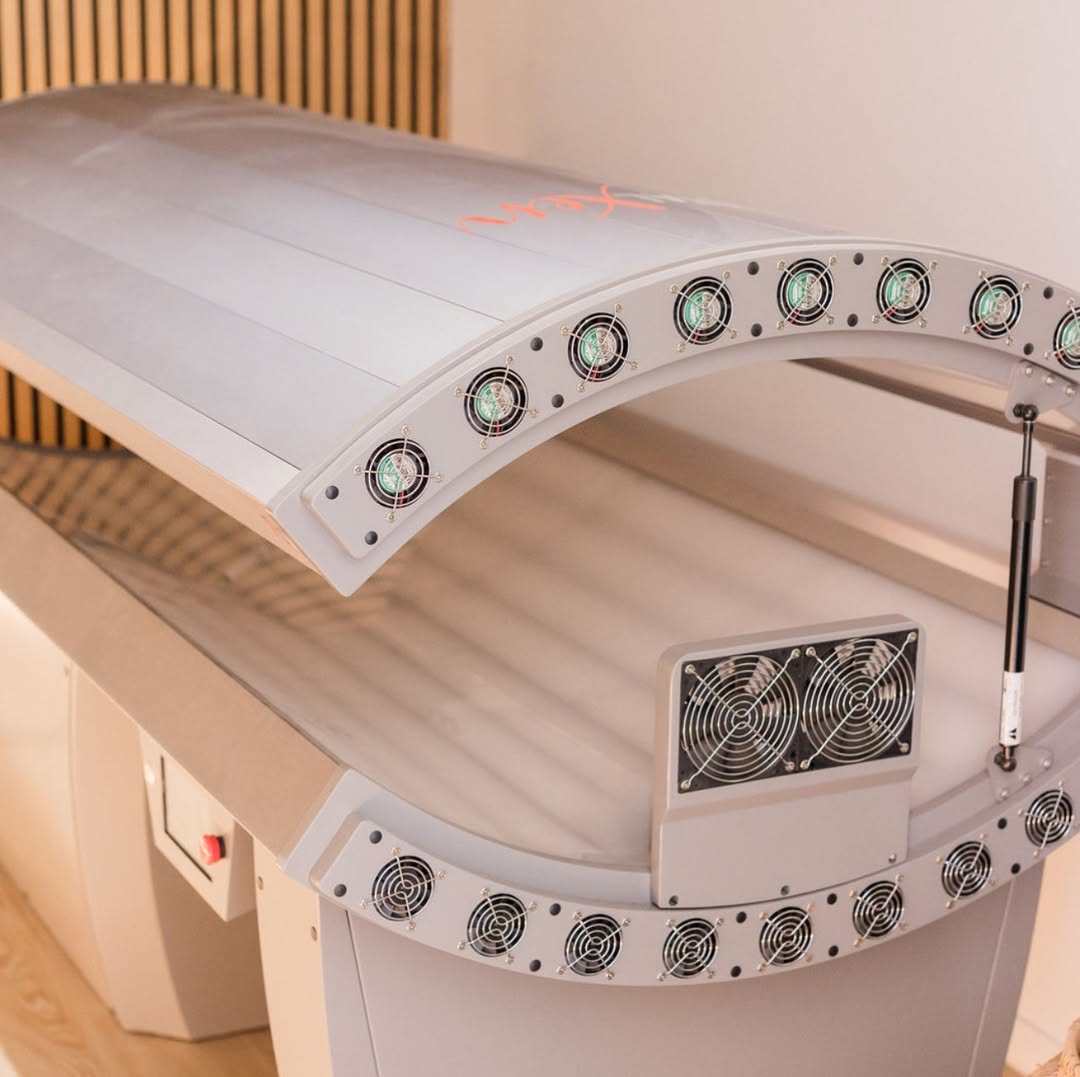
For clinics expanding their photobiomodulation offering, Aesthetic Bureau’s LED Light Therapy Machine fits naturally into a professional skincare pathway, while the Total Xen Red Light Bed supports a broader full-body photobiomodulation conversation for practices that want to extend their treatment menu.
That positioning matters because patients do not just ask whether red light therapy works; they also expect a professional, repeatable experience that fits a clinic’s workflow and standards.
The clinical takeaway
The published evidence does support red light therapy as a meaningful option for wrinkle improvement, particularly for periocular ageing and facial rejuvenation.
The most credible studies show measurable reductions in wrinkle volume or roughness, along with signs of collagen support, but they also show that results are protocol-dependent and not every skin-quality metric improves in the same way.
For clinics, that makes red light therapy best viewed as an evidence-based, low-downtime adjunct within a broader skin rejuvenation offering, rather than a one-size-fits-all solution.