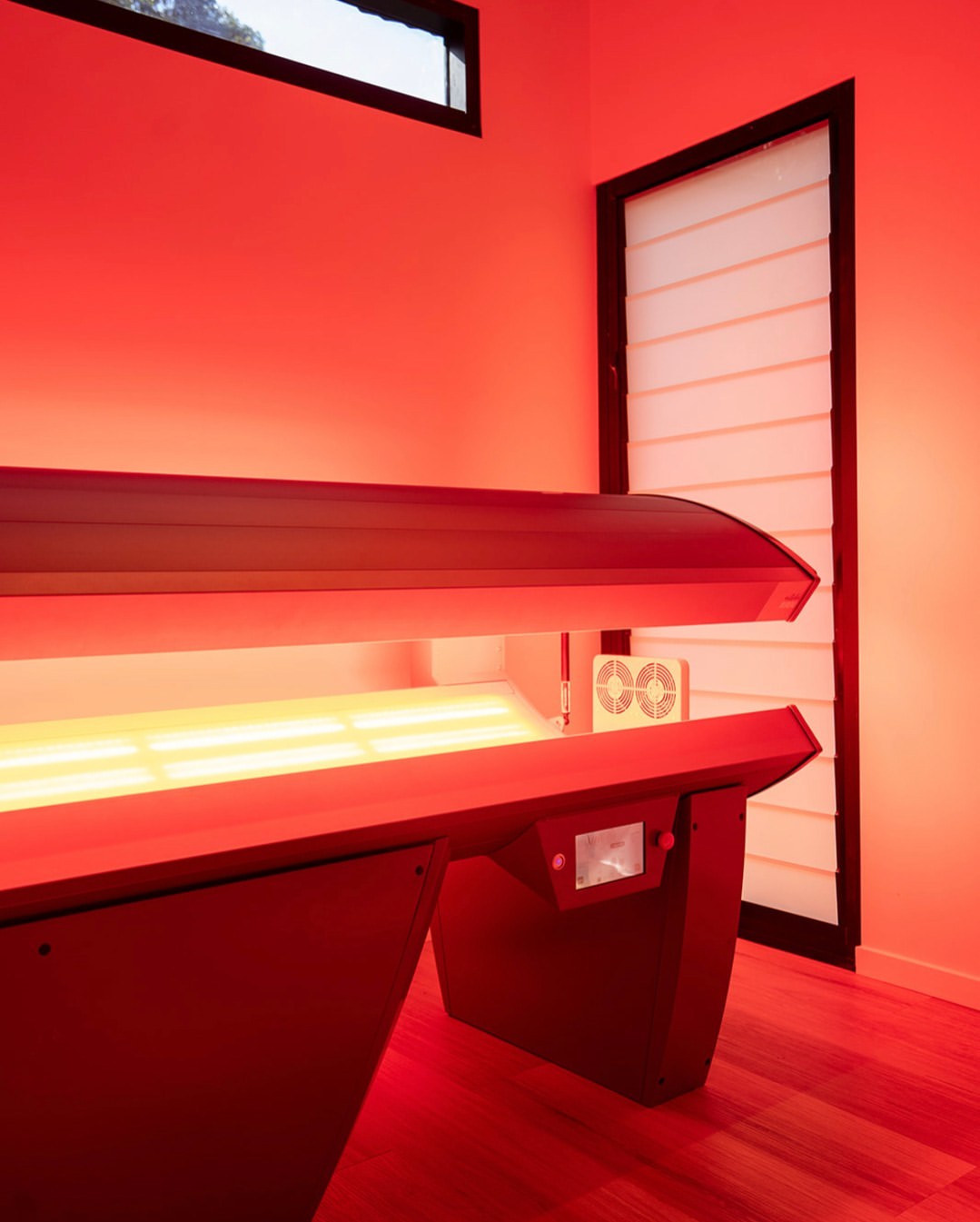
Red light therapy has moved well beyond its early clinical applications. Today, collagen red light therapy beds represent one of the most versatile and sought-after treatment formats in the Australian aesthetic market, offering clinics a practical way to deliver full-body photobiomodulation at a consistent, reproducible standard.
For practice owners evaluating device investments, understanding how these systems work, what outcomes they support, and how they integrate into a treatment environment is essential to making the right decision.
What Is a Collagen Red Light Therapy Bed?
A collagen red light therapy bed is a full-body LED device that emits targeted wavelengths of red and near-infrared light, typically ranging between 630 nm and 850 nm, across the entire body simultaneously. Unlike handheld or panel-based devices that treat isolated areas, a bed format allows uniform light distribution from head to toe in a single session.
The term “collagen red light therapy” refers to the device’s primary mechanism of action: stimulating fibroblast activity in the dermis, which supports the production of collagen and elastin. This process, underpinned by photobiomodulation research, involves the absorption of specific light wavelengths by cellular photoreceptors, particularly cytochrome c oxidase in the mitochondria, which drives increased cellular energy production (ATP synthesis), reduced oxidative stress, and upregulated tissue repair pathways.
This is not a thermal treatment. The light energy works at a cellular level without heat-based tissue disruption, making it appropriate for a wide range of skin types and conditions.
How Collagen Red Light Therapy Beds Work
The science behind LED photobiomodulation is well established in peer-reviewed literature. When specific red and near-infrared wavelengths interact with skin tissue, they trigger a cascade of biological responses:
Fibroblast stimulation: Fibroblasts, the cells responsible for producing collagen and elastin, respond to red light wavelengths in the 630–660 nm range. Consistent exposure supports increased collagen synthesis, which contributes to skin density, firmness, and a reduction in the appearance of fine lines over time.
Mitochondrial activation: Near-infrared wavelengths, particularly around 830–850 nm, penetrate deeper into tissue and stimulate mitochondrial function. This supports cellular repair, reduces inflammation at a tissue level, and enhances recovery processes. Clinics incorporating red light beds into post-procedure care often report faster client recovery and reduced downtime.
Circulation support: Photobiomodulation has been shown to support microcirculation by promoting nitric oxide release within blood vessels. Improved blood flow can assist with nutrient delivery to skin tissue and support the removal of metabolic waste products.
Anti-inflammatory pathways: Light-induced modulation of inflammatory cytokines can assist with chronic skin conditions, post-treatment sensitivity, and general skin health maintenance.
The depth of light penetration varies by wavelength. Red light (630–680 nm) primarily targets the dermal layer, while near-infrared (800–850 nm) reaches deeper into subcutaneous tissue, muscle, and even joint structures, expanding the clinical application range considerably.
Key Benefits for Clinics Offering Collagen Red Light Therapy
Collagen red light therapy beds offer clinics a strong combination of clinical utility and commercial viability. The following benefits are consistently reported by practitioners integrating these systems into their service offering.
Skin Rejuvenation and Anti-Ageing Protocols
Collagen red light therapy beds are well-suited to supporting anti-ageing treatment plans. Patients presenting with fine lines, uneven skin tone, skin laxity, or dull complexion can benefit from structured courses of red light sessions, either as a standalone protocol or as a complementary addition to injectable, laser, or skin resurfacing treatments.
Practitioners report that clients completing regular full-body red light sessions over an 8 to 12-week period often present with improvements in skin texture, tone, and overall luminosity.
Post-Procedure Recovery Support
Red light therapy beds have become a valued adjunct in clinics performing more aggressive aesthetic procedures. Following treatments such as laser resurfacing, microneedling, or chemical peels, a course of red light sessions can support the skin’s natural recovery process. The anti-inflammatory and cellular repair effects assist in reducing redness, accelerating tissue healing, and potentially shortening overall downtime.
This is particularly relevant for patient satisfaction and clinic reputation. Clients who recover more comfortably and more quickly tend to report higher satisfaction with the overall treatment experience.
Body Wellness and Recovery Applications
Near-infrared light penetrates beyond the skin into muscle and connective tissue. Collagen red light therapy beds operating across dual wavelengths (red and near-infrared) can be positioned by clinics to support muscle recovery, joint comfort, and general physical wellness alongside skin-focused treatments. This broadens the client base and allows clinics to attract wellness-focused clients who may not be pursuing cosmetic outcomes.
Scalable, Low-Labour Treatment Format
One of the practical advantages of a collagen red light therapy bed is the treatment format itself. Sessions are typically 10 to 20 minutes in duration, require minimal practitioner involvement once the client is positioned, and can be scheduled as standalone appointments or added to existing bookings. This allows clinics to generate revenue with relatively low labour input per session.
What Clients Can Expect During a Session
For clinicians and clinic coordinators fielding patient questions, a clear understanding of the session experience is important for accurate pre-treatment communication.
A typical red light therapy bed session involves the following:
Preparation: The client removes clothing to expose the skin areas being treated and puts on appropriate eye protection. Some clinics apply a preparation protocol, including cleansing the skin to remove any topical products that may block light transmission.
Session duration: Sessions are generally between 10 and 20 minutes, depending on the protocol prescribed and the treatment indication. Full-body collagen red light therapy beds allow this to occur in a single, uninterrupted exposure.
Sensation during treatment: Clients typically experience a mild, gentle warmth. The treatment is non-invasive and non-painful. Some clients report a relaxing, warming sensation across the body.
Post-session: There is no downtime. Clients can return to normal activities immediately. Skin may appear slightly flushed in the immediate period following treatment, which typically resolves within 30 to 60 minutes.
Treatment frequency: Initial protocols often involve two to three sessions per week over an 8 to 12-week period, with ongoing maintenance sessions as determined by the practitioner. Results from collagen stimulation are cumulative and build progressively over weeks and months.
Integrating a Collagen Red Light Therapy Bed into a Clinical Setting
From an operational perspective, collagen red light therapy beds integrate well into most clinic environments. Key considerations for practice owners include:
Space requirements: Full-body bed units require a dedicated treatment room of adequate size. Clinic planners should account for space on all sides of the unit for client entry and exit, as well as practitioner access.
Staff training: Although sessions require minimal direct practitioner involvement during treatment, robust client assessment, contraindication screening, and protocol education are essential. Device suppliers providing clinical training support are a significant advantage in this regard.
Contraindication screening: Standard contraindications apply, including photosensitising medications, certain dermatological conditions, pregnancy, and active malignancy. Thorough client screening protocols should be established before implementing any LED therapy service.
Consumables and maintenance: High-quality LED bed systems are designed for longevity and consistent performance with appropriate maintenance schedules. Understanding the ongoing service and maintenance requirements from the device supplier at the point of purchase supports long-term operational planning.
What to Look for in a Collagen Red Light Therapy Bed
Not all LED bed systems deliver equivalent performance. When evaluating a collagen red light therapy bed for clinical use, the following factors warrant careful consideration:
Wavelength accuracy: Verified wavelength output matching stated specifications is fundamental. Devices should be able to demonstrate consistent emission within the therapeutic wavelength ranges across the full panel surface.
Irradiance (power output): The light energy delivered per unit area (measured in mW/cm²) directly affects the dose delivered to tissue. Adequate irradiance is essential for clinical outcomes. Suppliers should be able to provide verified output data.
Coverage uniformity: Full-body exposure should be consistent across the entire treatment area, not just the central zones. Panel design and LED spacing affect coverage uniformity.
Build quality and certification: Devices intended for clinical use should meet relevant Australian regulatory requirements and be manufactured to recognised quality management standards.
Aesthetic Bureau’s LED systems are developed in compliance with ISO 13485:2016 certification, reflecting the engineering and manufacturing standards that underpin their performance in clinical environments.
Supplier support: Clinical training, after-sales service, and technical support are practical factors that significantly affect a clinic’s ability to operate effectively and confidently with its equipment.
Aesthetic Bureau’s LED Technology
Aesthetic Bureau has developed its LED device range with more than 30 years of combined engineering and clinical training experience.
The Total Xen Red Light Bed is designed to deliver full-body photobiomodulation to clinical standards, providing clinics with a reliable, high-performance system for collagen stimulation, skin rejuvenation, and wellness protocols.
For clinics seeking a broader LED treatment capability, Aesthetic Bureau’s LED light therapy machine options offer targeted panel-based treatment across multiple wavelengths, suitable for facial and localised skin applications.
Both systems are backed by the company’s commitment to practitioner education, clinical training, and ongoing device support across Australia.
Final Considerations for Practice Owners
Collagen red light therapy beds represent a well-supported, evidence-aligned treatment modality that fits naturally into the service offering of modern aesthetic clinics.
The combination of skin rejuvenation, post-procedure support, wellness applications, and scalable treatment delivery makes them a commercially sound investment for clinics focused on both patient outcomes and business performance.
For practice owners in the evaluation phase, the key decision factors are device quality, supplier credibility, and the availability of training and support.
Investing in a clinically validated, professionally supported system from a manufacturer with a demonstrated track record in the Australian market ensures that the device performs as intended and that the clinical team is equipped to use it effectively.
Aesthetic Bureau works directly with clinics, spas, and wellness professionals across Australia to support the integration of LED technology into treatment environments. Enquiries about the Total Xen Red Light Bed and the broader Aesthetic Bureau LED range are welcome from qualified practitioners and clinic owners.