Red light therapy has become a prominent tool in professional aesthetic and medical practices, offering clinicians a non-invasive option to support skin health and rejuvenation.
For clinics seeking evidence-based treatments that enhance patient outcomes, understanding what red light therapy does for the face is essential.
Understanding Red Light Therapy for Facial Applications
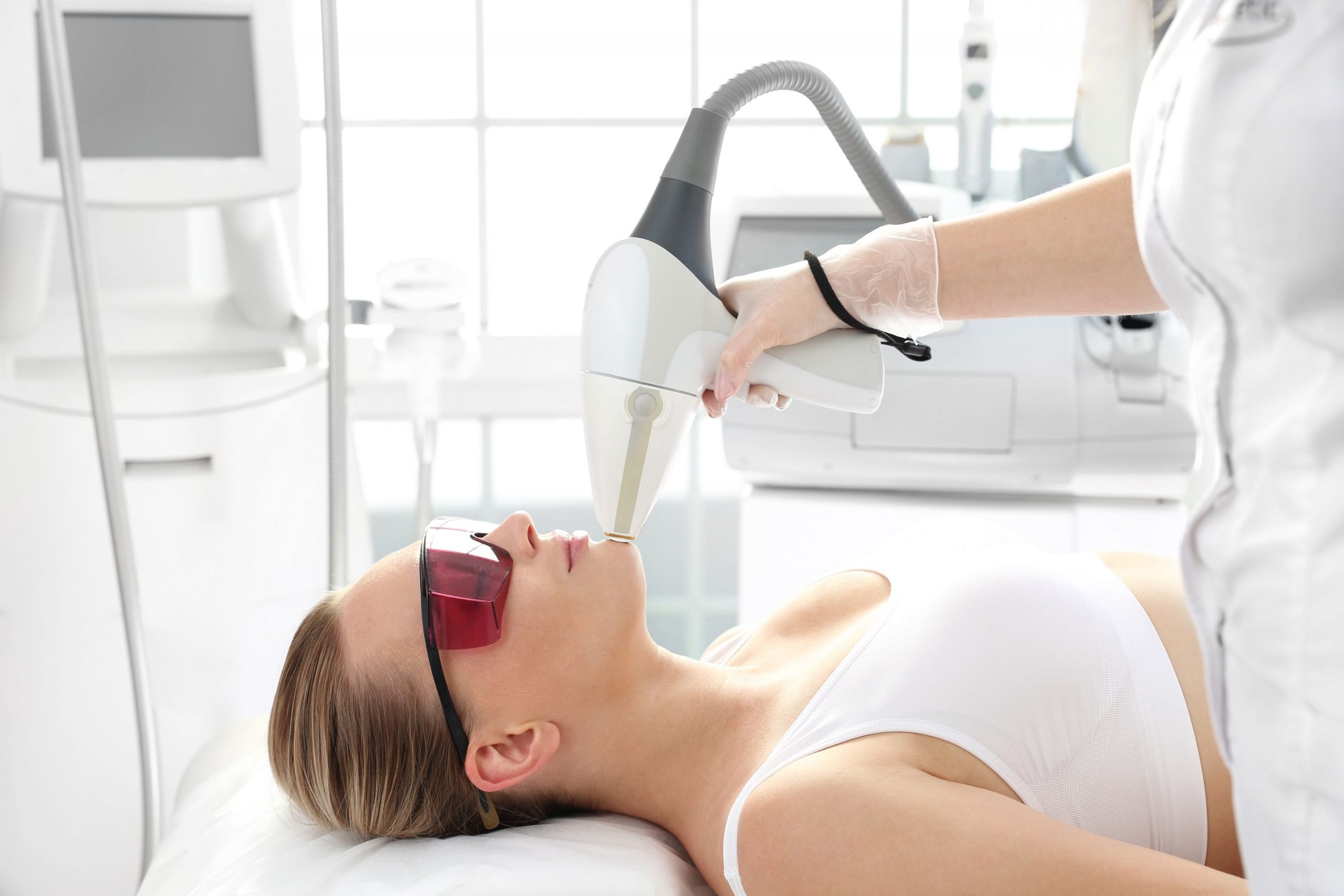
Red light therapy, also referred to as photobiomodulation, utilises specific wavelengths of red and near-infrared light to interact with cellular processes. When applied to facial tissue, it can stimulate collagen production, enhance circulation, and support cellular repair mechanisms.
These effects contribute to improved skin texture, reduced appearance of fine lines, and a more even complexion.
Clinics using professional systems, such as the LED Light Therapy Machine, report that patients experience measurable improvements in skin tone and overall facial vitality, particularly when treatments are delivered consistently within clinical protocols.
Key Mechanisms Behind Facial Red Light Therapy
- Collagen and Elastin Stimulation
Red light penetrates the skin to reach fibroblasts, the cells responsible for producing collagen and elastin. Increased collagen synthesis can lead to firmer, more resilient skin over a series of treatments.
- Enhanced Cellular Repair and Energy Production
Photobiomodulation improves mitochondrial function, boosting adenosine triphosphate (ATP) production. This increase in cellular energy accelerates natural repair processes, supporting recovery from environmental damage or minor inflammation.
- Improved Microcirculation
Red light therapy promotes blood flow to the dermal layers, enhancing nutrient delivery and waste removal. Clinically, this translates to healthier, more radiant skin and may reduce the visibility of dullness or uneven tone.
- Reduction of Inflammation
Research indicates that red light therapy can modulate inflammatory pathways, making it a useful adjunct for patients with mild redness, irritation, or early signs of acne-related inflammation.
Expected Before and After Results
Clinicians using red light therapy for facial applications have documented several observable outcomes:
- Before: Skin may show fine lines, mild sagging, uneven tone, or subtle textural irregularities. Patients may present with post-inflammatory redness or early sun damage.
- After: With consistent treatment, improvements include a smoother skin surface, reduced fine lines, enhanced firmness, and a more uniform complexion. Some practices note brighter, revitalised skin with a healthier appearance, often reported by patients as improved skin quality.
It is important to note that results are cumulative and best achieved under professional guidance, with sessions tailored to individual patient needs.
Red light therapy is most effective when integrated into a broader skin health protocol, potentially alongside moisturisation, photoprotection, and other clinic-approved interventions.
Integrating Red Light Therapy in Clinical Practice
For aesthetic professionals, delivering reliable outcomes requires high-quality, medical-grade systems.
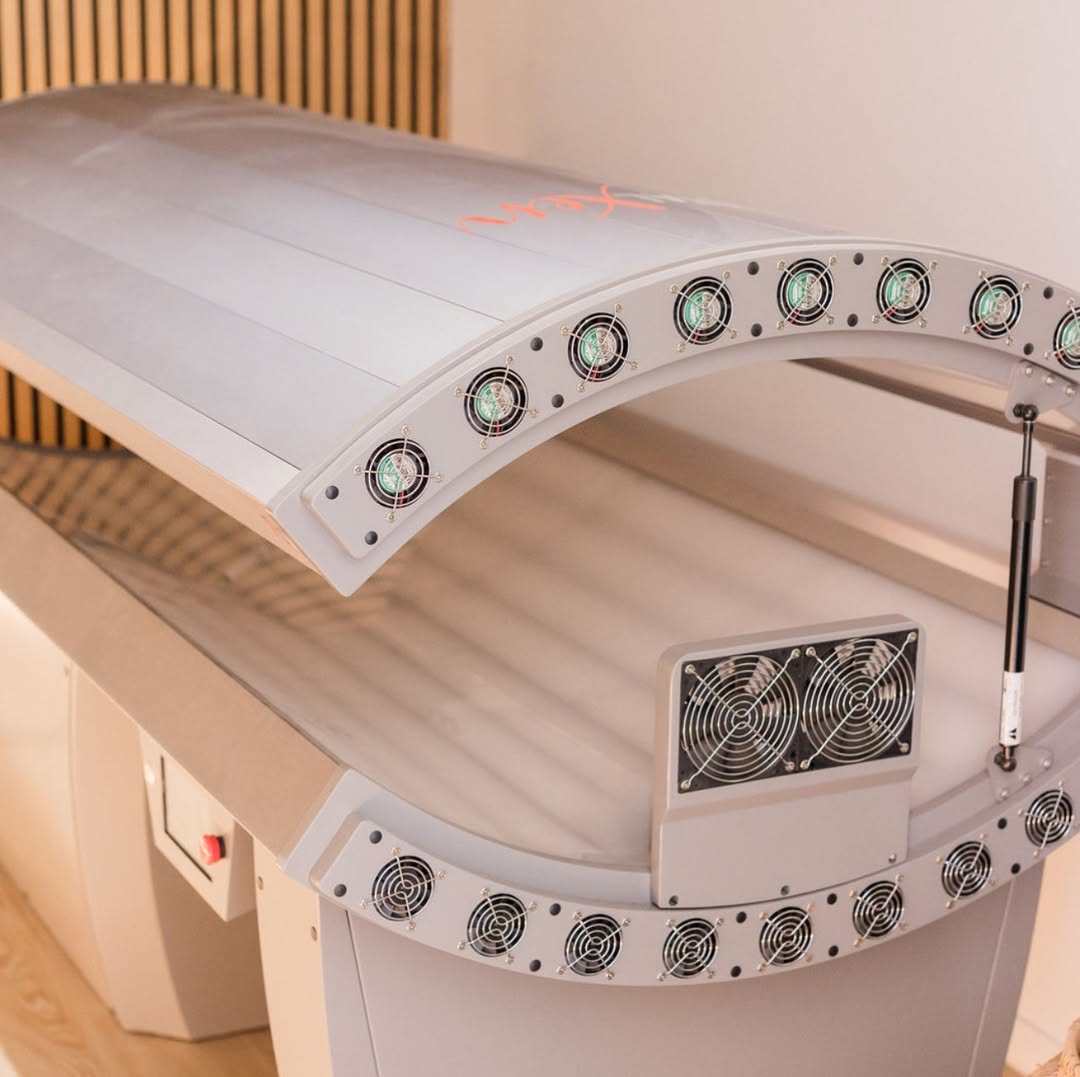
The Total Xen red light bed, for example, provides full-body exposure while allowing practitioners to focus on facial applications in a controlled and reproducible manner.
Clinics adopting such technology have observed both enhanced patient satisfaction and improved ROI due to repeat bookings and expanded service offerings.
Professional Considerations
- Consistency is Key: Protocol adherence ensures maximum cellular response.
- Patient Education: Informing patients about gradual improvements helps manage expectations.
- Safety and Compliance: Using ISO 13485-certified devices ensures safety and reliability across treatments.
Conclusion
Understanding what red light therapy does for your face is crucial for clinics aiming to deliver advanced, evidence-based care. By supporting collagen production, cellular repair, circulation, and inflammation management, red light therapy provides tangible benefits that can be observed in before and after results.
Clinics employing professional-grade systems, such as those from Aesthetic Bureau, can integrate these therapies with confidence, offering patients measurable improvements and a safe, non-invasive approach to facial rejuvenation.
For more details on incorporating LED therapy into your practice, explore our LED Light Therapy Machine or the Total Xen Red Light Bed for full-body applications.