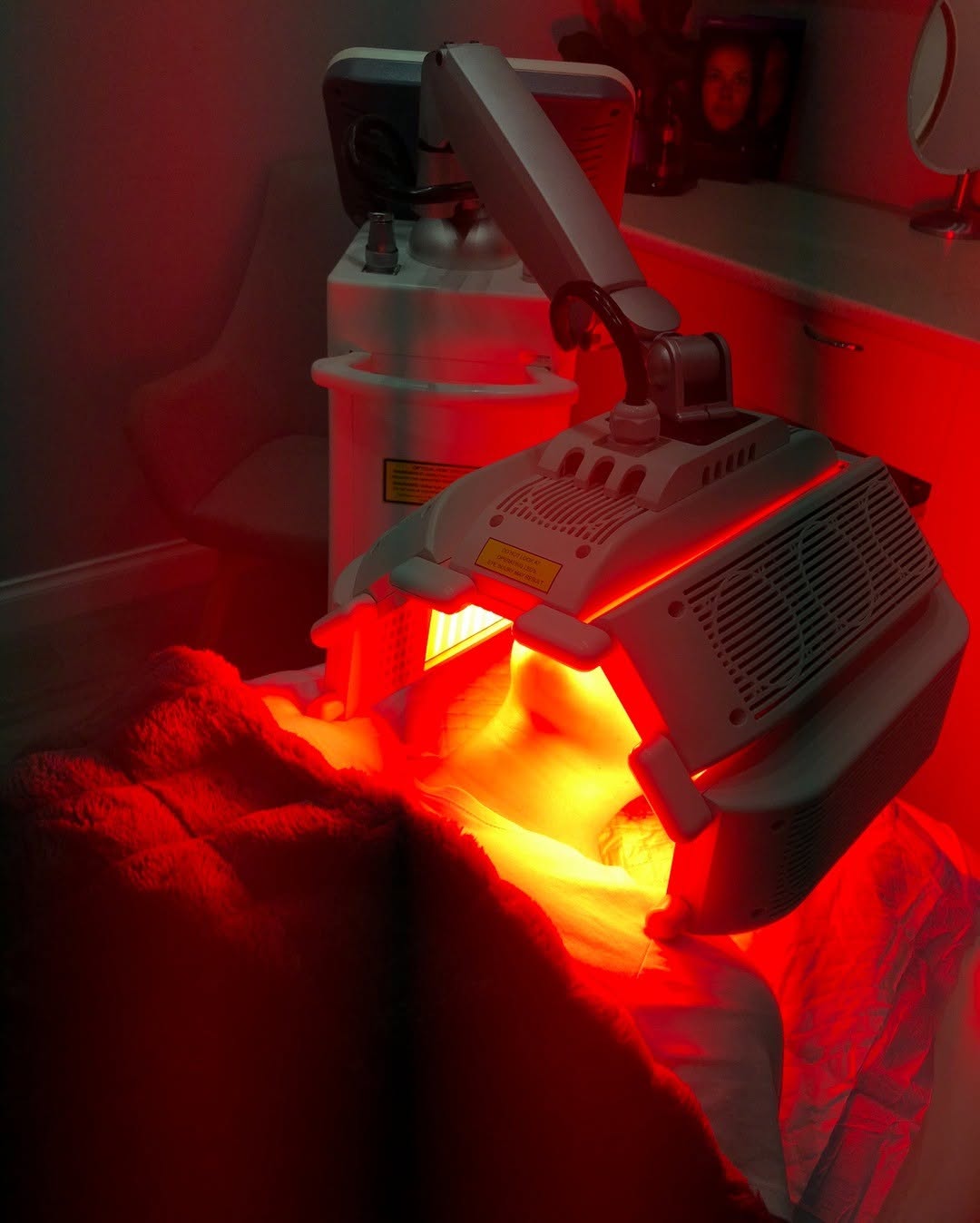
LED phototherapy treatment has become a cornerstone of non-invasive aesthetic care, offering clinicians a scientifically backed method to address skin rejuvenation, healing, and inflammation.
While the technology is widely regarded as safe, its efficacy and safety depend on the quality of the device, the treatment protocols followed, and the practitioner’s clinical understanding.
As a manufacturer of medical-grade LED systems, Aesthetic Bureau emphasises the importance of professional education and ISO-certified technology to ensure safe and consistent outcomes for both patients and practitioners.
Understanding LED Skin Phototherapy Treatment
LED skin phototherapy treatment, also referred to as photobiomodulation, uses specific wavelengths of light to stimulate cellular activity.
These wavelengths, typically in the red and near-infrared spectrum, penetrate the skin to support cellular repair, enhance circulation, and modulate inflammation.
When delivered using a clinically validated system such as the LED Light Therapy Machine, the treatment can help clinics address a range of concerns, including:
- Post-procedural recovery
- Skin rejuvenation
- Redness and inflammation
- Wound healing support
Unlike lasers or IPL, LED systems do not generate heat or cause epidermal damage. This makes them suitable for a wide range of skin types and treatment protocols when applied correctly.
Why LED Phototherapy Treatment Is Considered Safe
The safety of LED phototherapy treatment lies in its non-thermal, non-ablative mechanism of action. Instead of damaging tissue to trigger repair, the light energy is absorbed by cellular mitochondria, promoting natural regeneration processes.
Key safety advantages include:
- No downtime or discomfort: Most patients report a relaxing experience with no post-treatment irritation.
- Non-invasive and non-thermal: The absence of heat eliminates the risk of burns or pigmentation issues.
- Clinically validated wavelengths: Research supports the use of specific light bands for optimal therapeutic effect.
- Versatile for diverse patients: Suitable for all skin tones and compatible with other aesthetic procedures.
However, safety ultimately depends on the device’s engineering integrity and the operator’s clinical knowledge. Systems that comply with the ISO 13485:2016 medical manufacturing standard, such as those supplied by Aesthetic Bureau, provide a crucial layer of reliability and regulatory assurance.
Precautions and Best Practices for Clinics
Although LED systems are generally low-risk, proper implementation is crucial to ensure treatment safety and efficacy. Aesthetic Bureau recommends the following professional guidelines:
- Choose ISO-certified devices.
Always confirm the manufacturer’s compliance with international quality standards. This ensures consistent light output, stable wavelengths, and reliable safety mechanisms.
- Tailor treatment protocols.
Adjust exposure time, wavelength, and intensity based on patient needs and skin condition. Overexposure may reduce therapeutic benefit without improving results.
- Protect the eyes.
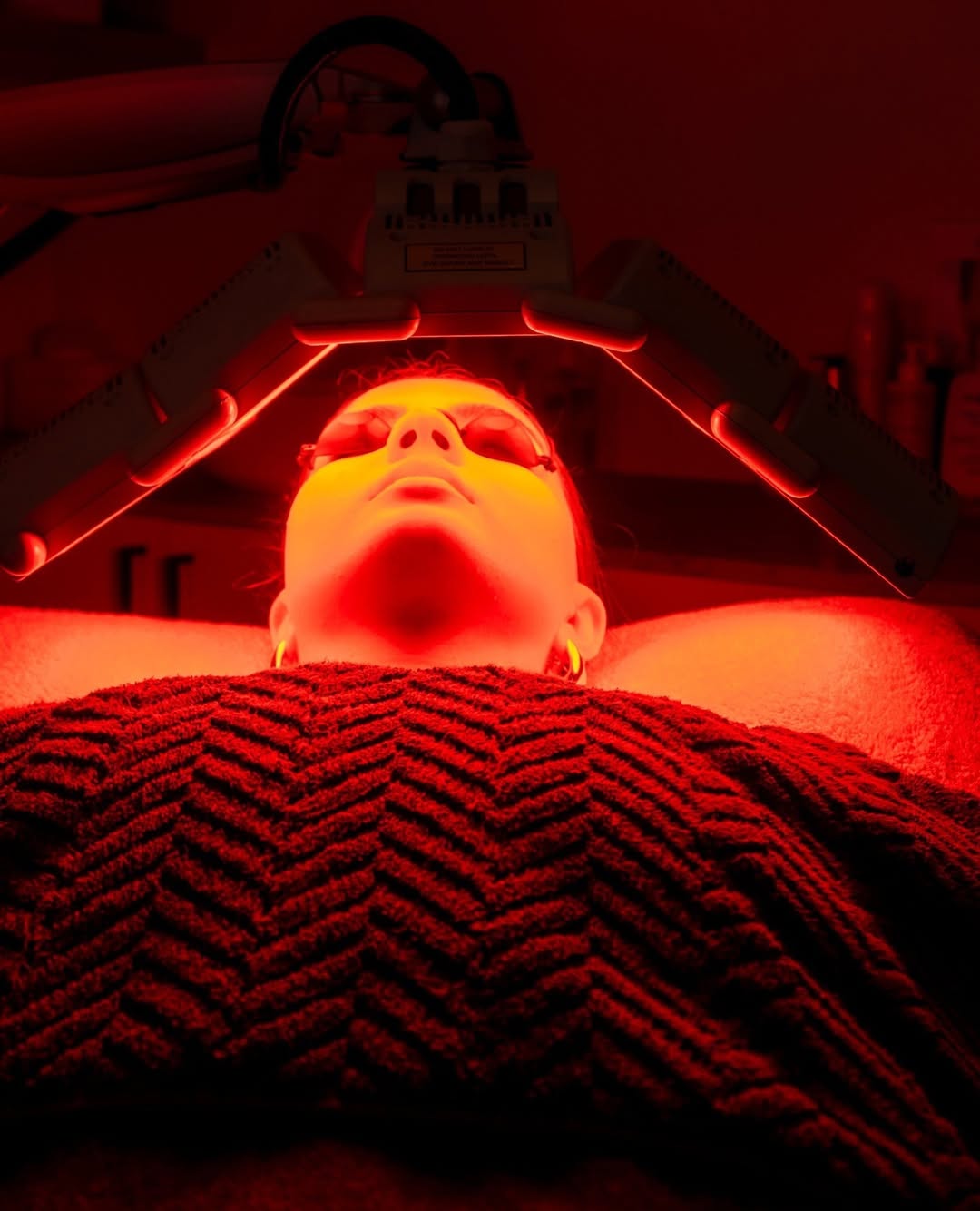
Both practitioner and patient should wear appropriate protective eyewear, particularly during red and near-infrared wavelength sessions.
- Avoid contraindicated conditions.
Patients with photosensitive disorders, certain medications, or active malignancies should be assessed carefully before proceeding.
- Educate staff and patients.
Continuous training ensures that every clinician understands dosage parameters, treatment intervals, and combination therapy guidelines.
The Role of Technology Quality
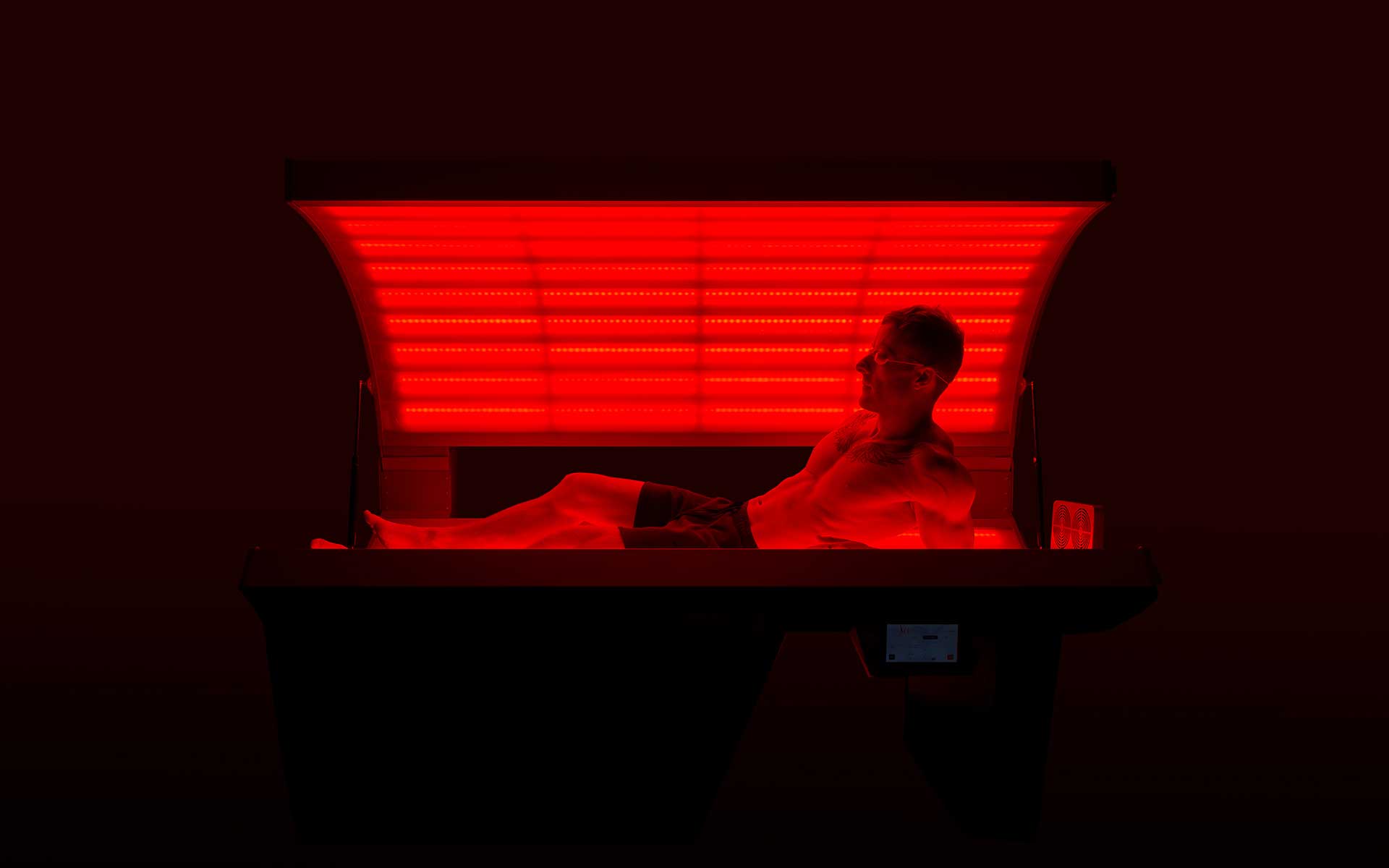
Not all LED systems are created equal. Professional-grade devices such as Aesthetic Bureau’s Total Xen Red Light Bed are engineered for uniform light distribution, accurate wavelength control, and long-term operational reliability. These factors directly influence treatment consistency and patient satisfaction.
Low-cost or uncertified systems may emit inconsistent wavelengths or degrade over time, potentially compromising both outcomes and safety.
Clinics investing in certified technology not only protect their patients but also strengthen their reputation for delivering reliable, evidence-based care.
Building Trust Through Evidence and Training
Clinics across Australia increasingly integrate LED therapy into their service menus as part of recovery, wellness, and rejuvenation programs. Those achieving the best results typically combine high-quality phototherapy devices with ongoing clinical education and protocol optimisation.
Aesthetic Bureau supports this approach by providing comprehensive product training, ensuring practitioners understand both the engineering behind their systems and the best-practice applications that lead to measurable outcomes.
Final Thoughts
When performed using certified systems and evidence-based protocols, LED skin phototherapy treatment is among the safest and most versatile modalities available to modern clinics.
The key to maintaining safety lies not only in the technology but also in practitioner education, protocol precision, and ongoing quality assurance.
Aesthetic Bureau’s commitment to engineering excellence, ISO-certified manufacturing, and clinical training enables Australian professionals to deliver consistent, safe, and effective light-based treatments with confidence.