The Science and Benefits of Red Light Therapy
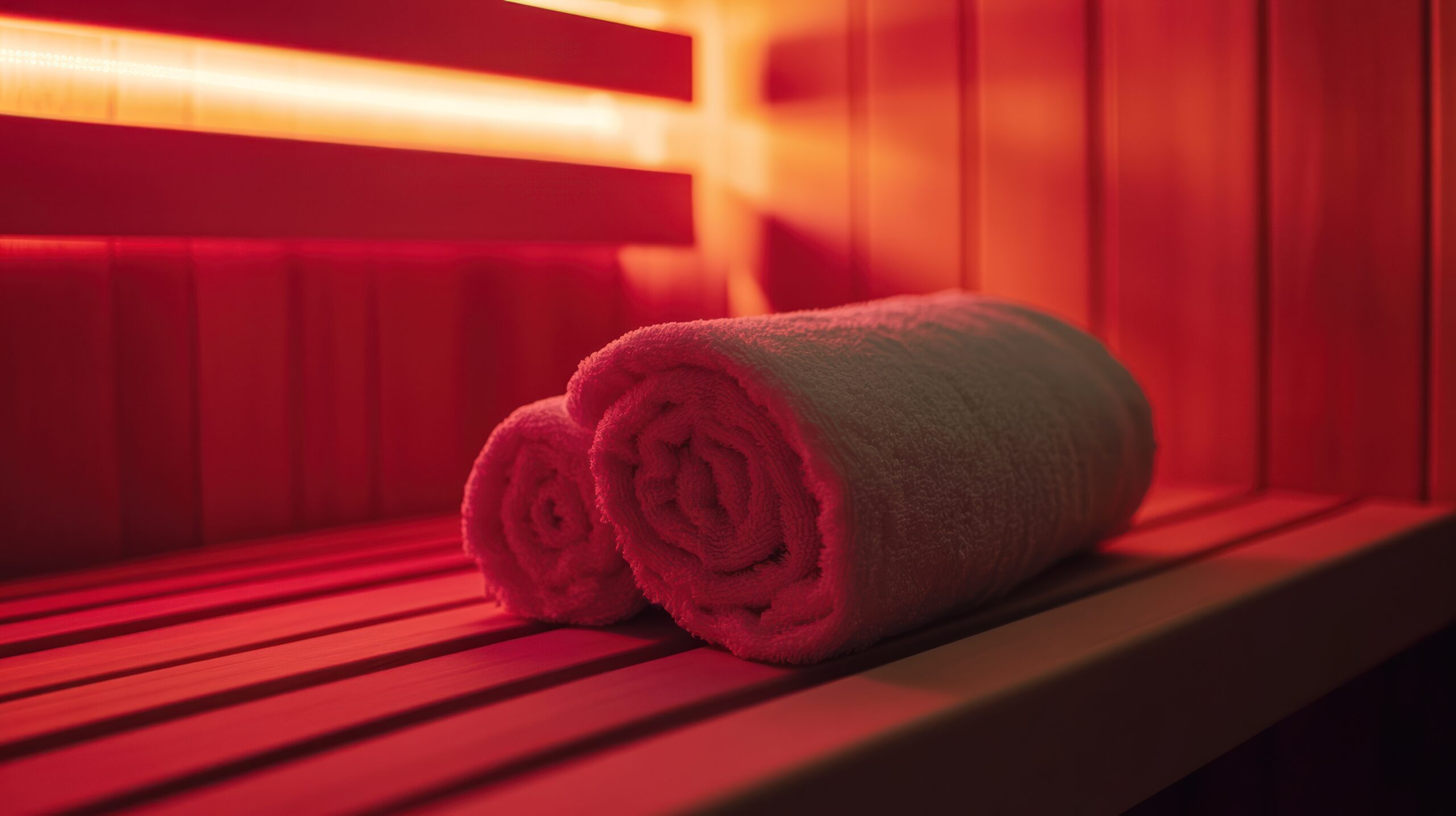
Red Light Therapy (RLT) is a burgeoning wellness trend underpinned by robust scientific principles. At the cellular level, RLT operates by emitting wavelengths of natural red and near-infrared light. These wavelengths penetrate the skin to a depth sufficient to reach the mitochondria, the powerhouse of the cell. This interaction stimulates mitochondrial activity, enhancing ATP (adenosine triphosphate) production, which fuels cellular processes and facilitates tissue repair.
One of the primary benefits of RLT is its capacity to enhance collagen production. Collagen is a structural protein fundamental to skin elasticity and firmness. As we age, collagen production decreases, leading to wrinkles and sagging skin. Studies indicate that red light exposure can rejuvenate and enhance cellular function, inducing fibroblast proliferation and collagen synthesis. The result is improved skin texture and a reduction in fine lines, attributes highly coveted in spa settings.
In addition to bolstering collagen production, RLT has been shown to reduce inflammation, a key contributor to various skin conditions, including acne, eczema, and psoriasis. The anti-inflammatory effects of red light are partly due to its ability to decrease pro-inflammatory cytokines and oxidative stress, thus calming the skin. Clients suffering from chronic inflammatory skin issues might find significant relief with regular RLT sessions, offering a non-invasive alternative to pharmacological treatments.
RLT also promotes improved skin clarity through its ability to enhance circulation and lymphatic drainage. By doing so, it supports the body’s natural detoxification processes, ridding the skin of toxins and promoting healing. This improved circulation not only aids in nutrient delivery to skin tissues but also accelerates the healing of wounds and scars, making it a popular choice among individuals seeking clearer, healthier skin.
Overall wellness is another domain where RLT shines. By stimulating cellular repair and reducing inflammation, RLT can contribute to decreased muscle fatigue and improved pain management, expanding its use beyond just aesthetic enhancements. For spa clients, this means a holistic approach to wellness that’s not just skin-deep.
For further detailed exploration of RLT’s systemic benefits, including its application to thyroid health, you might find this discussion insightful: How Red Light Therapy Supports Thyroid Health. The interplay of red light with the endocrine system opens new avenues for integrative health solutions within spa therapies.
By understanding and harnessing these benefits, spa practitioners can offer clients a rejuvenating and restorative experience, grounded in scientific efficacy. Whether used as a standalone therapy or a complement to other treatments, Red Light Therapy offers multi-dimensional advantages for both skin health and overall well-being.
Integrating RLT into Spa Services
Integrating Red Light Therapy (RLT) into spa services offers a new dimension of relaxation and therapeutic benefits for clients. Spas can enhance their offerings by combining RLT with traditional treatments like facials or massages, while ensuring their staff is well-trained to deliver these specialized services.
To begin, consider pairing RLT with facials. This combination can amplify skin rejuvenation effects. RLT can be used before facial treatments to stimulate blood flow, enhancing the absorption of skincare products. Alternatively, applying RLT post-facial can help soothe the skin and reduce any residual redness. For massages, RLT can be integrated into the session by using red light panels to warm the muscles, preparing them for deeper manipulation. This not only maximizes relaxation but also aids in muscle recovery, offering clients a holistic experience.
Training spa therapists to incorporate RLT effectively is crucial. Spa professionals should understand the benefits and mechanisms of RLT, from its ability to boost collagen production to its role in reducing inflammation. Offering continuous education and hands-on training sessions can empower therapists to confidently communicate RLT benefits to clients. This knowledge allows them to personalize treatments, enhancing client satisfaction and loyalty.
When explaining RLT benefits to clients, clarity and simplicity are key. Highlight its potential for skin repair, pain relief, and the overall wellness support it provides. Utilize visual aids and informational brochures in waiting areas to inform clients before their treatments. Personal testimonials and case studies can also be powerful tools to showcase real results, reinforcing the therapy’s value. For more insights into RLT potency, consider exploring its systemic effects, showing clients the broad scope of benefits.
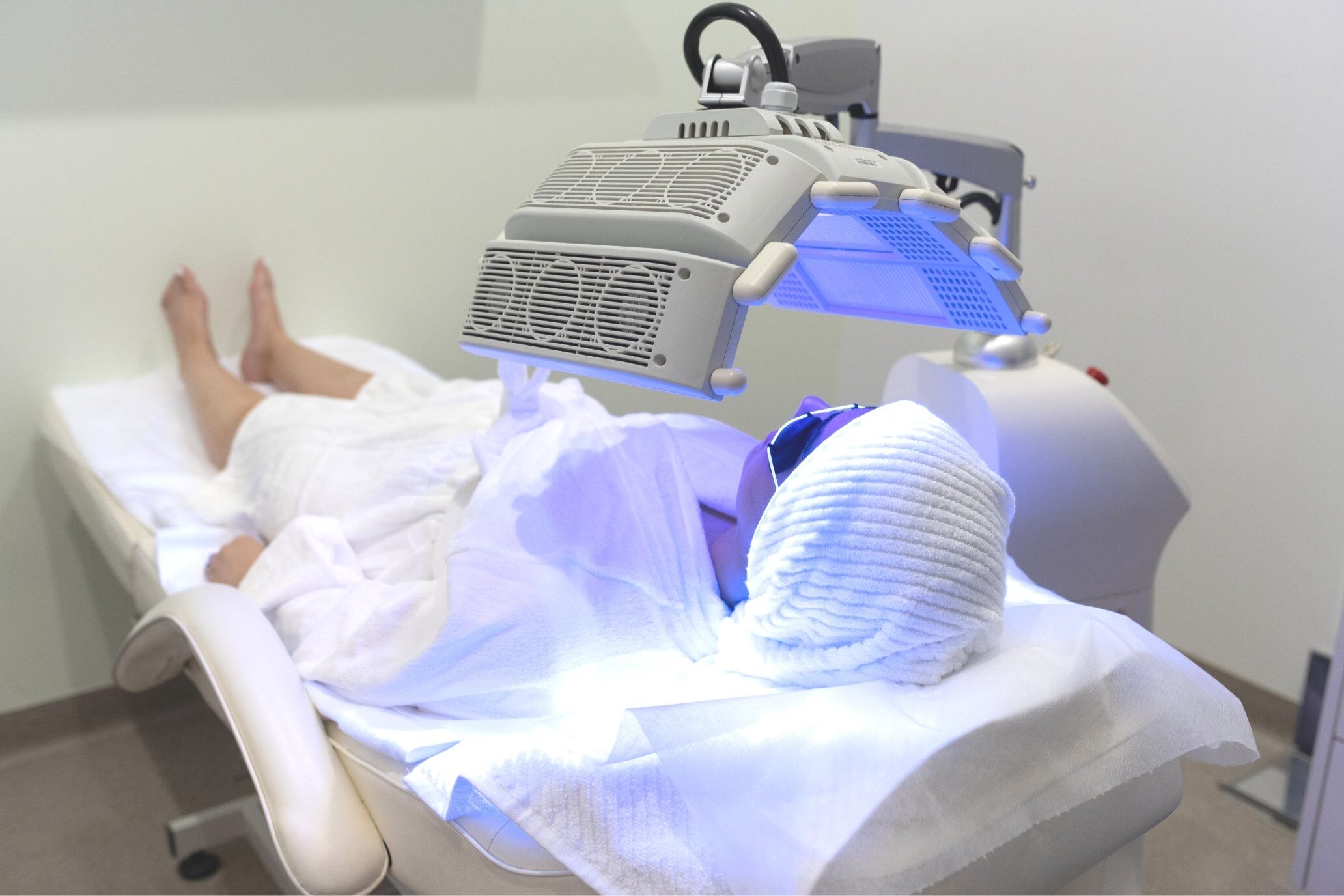
Incorporating RLT requires investing in the right equipment. For example, using a high-quality RLT machine ensures effective treatments. Position the unit to maximize exposure to targeted areas, whether it’s covering the full face during a facial or focusing on the back during a massage. Routine maintenance, like cleaning the device and checking for wear, is essential for safety and performance. Adhering to manufacturer guidelines for use, maintenance, and safety precautions is vital to ensure client and staff safety and to maximize the device’s longevity.
Safety guidelines should be clearly communicated to both staff and clients. This includes wearing protective eyewear if necessary and ensuring that the equipment is always supervised when in use. By implementing these practices, spas can safely integrate RLT into their services, elevating client experiences and establishing a reputation for cutting-edge wellness offerings.
Integrating RLT into spa services is more than an enhancement; it’s a transformation. By effectively training staff, investing in quality equipment, and actively communicating RLT benefits, spas can provide a service that is not only therapeutic but also ahead of industry trends.
Final words
About us