Light-based technologies have become a cornerstone of modern aesthetic and clinical practice. For practitioners using professional LED light therapy systems, understanding phototherapy before and after care is essential to optimise client outcomes, maintain treatment consistency, and uphold the integrity of clinical protocols.
Understanding LED Phototherapy in Clinical Practice
LED phototherapy, also known as photobiomodulation, is a non-invasive light-based treatment that utilises specific wavelengths to stimulate cellular repair and regeneration.
By delivering light energy to targeted tissue layers, it supports improved circulation, collagen synthesis, and tissue recovery, all without heat damage or downtime.
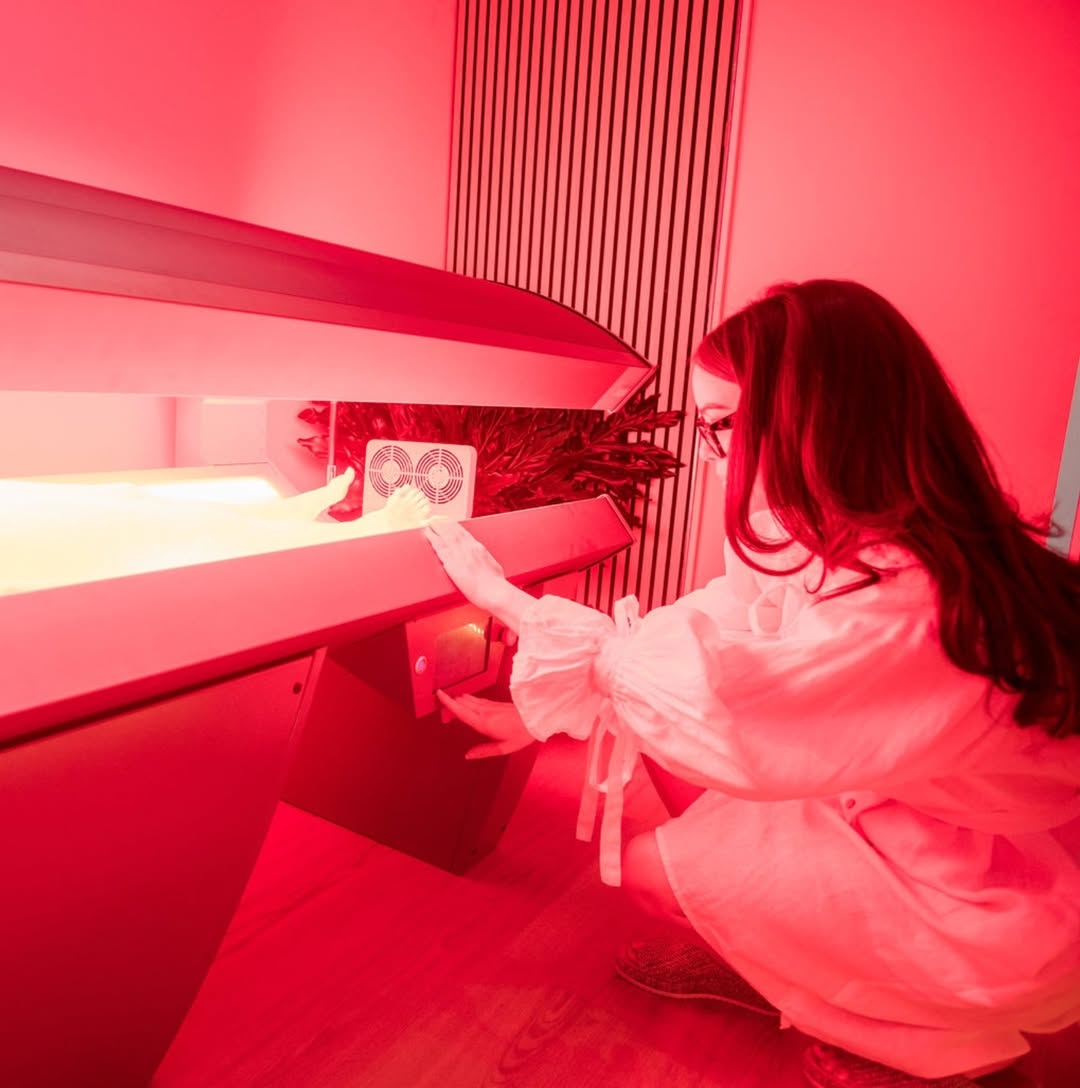
Clinics across Australia use professional-grade devices such as LED Light Therapy Machines and Total Xen Red Light Beds to deliver consistent and controlled light exposure. These systems allow practitioners to address various concerns, from post-procedural healing to overall skin health enhancement, safely and predictably.

Why Pre-Treatment Protocols Matter
Proper phototherapy before care ensures the skin and underlying tissues are in the ideal condition to absorb and respond to light energy effectively. Preparation may vary depending on the indication, but best-practice principles generally include:
- Cleanse and assess the skin – Ensure the treatment area is free from makeup, sunscreen, or occlusive products that could block light penetration.
- Evaluate photosensitivity – Confirm whether the client is using any medications or skincare products that increase light sensitivity.
- Avoid recent exfoliation or heat exposure – Sunburn or intense exfoliation may heighten skin reactivity, reducing tolerance and consistency of results.
- Protective eyewear – Both client and operator should use suitable eye protection during LED exposure to maintain safety standards.
Clinics that incorporate these preparation steps consistently report improved client comfort and more uniform results.
Post-Treatment Care for Longevity and Comfort
Just as preparation is key, phototherapy after care supports ongoing tissue repair and helps maintain the achieved benefits. The non-invasive nature of LED light means minimal downtime; however, professional guidance enhances recovery and client satisfaction.
Post-session recommendations often include:
- Gentle skincare – Encourage clients to use soothing, non-active formulations for at least 24 hours post-treatment.
- Hydration and sun protection – Reinforce the importance of broad-spectrum SPF to protect new collagen and reduce oxidative stress.
- Avoid heat or vigorous activity – While LED phototherapy itself does not generate heat, post-treatment skin should not be exposed to saunas or intense exercise immediately after.
- Follow-up protocols – For cumulative results, sessions are often scheduled two to three times weekly for several weeks, depending on clinical objectives.
Clinicians find that adherence to these steps enhances visible improvements in tone, texture, and recovery outcomes.
Observing LED Phototherapy Before and After Results
Professionally administered LED phototherapy before and after results often demonstrate progressive skin improvements, smoother texture, reduced redness, and enhanced radiance.
Unlike energy-based treatments that rely on ablation or thermal injury, LED light stimulates natural cellular functions, making outcomes both gentle and cumulative.
Practitioners report that consistent use of devices like the Total Xen Red Light Bed allows clients to experience noticeable changes over several sessions, particularly when integrated into broader treatment programs such as post-procedural recovery or wellness protocols.
Supporting Clinical Excellence Through Technology and Training
Aesthetic Bureau, an Australian manufacturer of ISO 13485:2016-certified aesthetic and medical systems, provides clinicians with reliable LED and laser solutions designed for precision, safety, and ease of integration.
The company’s training-first approach ensures practitioners understand not only device operation but also best practices for client care, safety compliance, and treatment optimization.
By aligning device selection with evidence-based protocols, clinics can enhance patient satisfaction and long-term return on investment.
Final Thoughts
For clinics offering professional LED therapy, understanding phototherapy before and after protocols is as important as the device itself. Consistent preparation, patient education, and structured post-care are essential for maintaining treatment quality and achieving reproducible results.
With over 30 years of engineering and clinical training experience, Aesthetic Bureau continues to support Australian clinics with dependable light-based systems and ongoing practitioner education, ensuring technology and care work hand in hand for optimal outcomes.