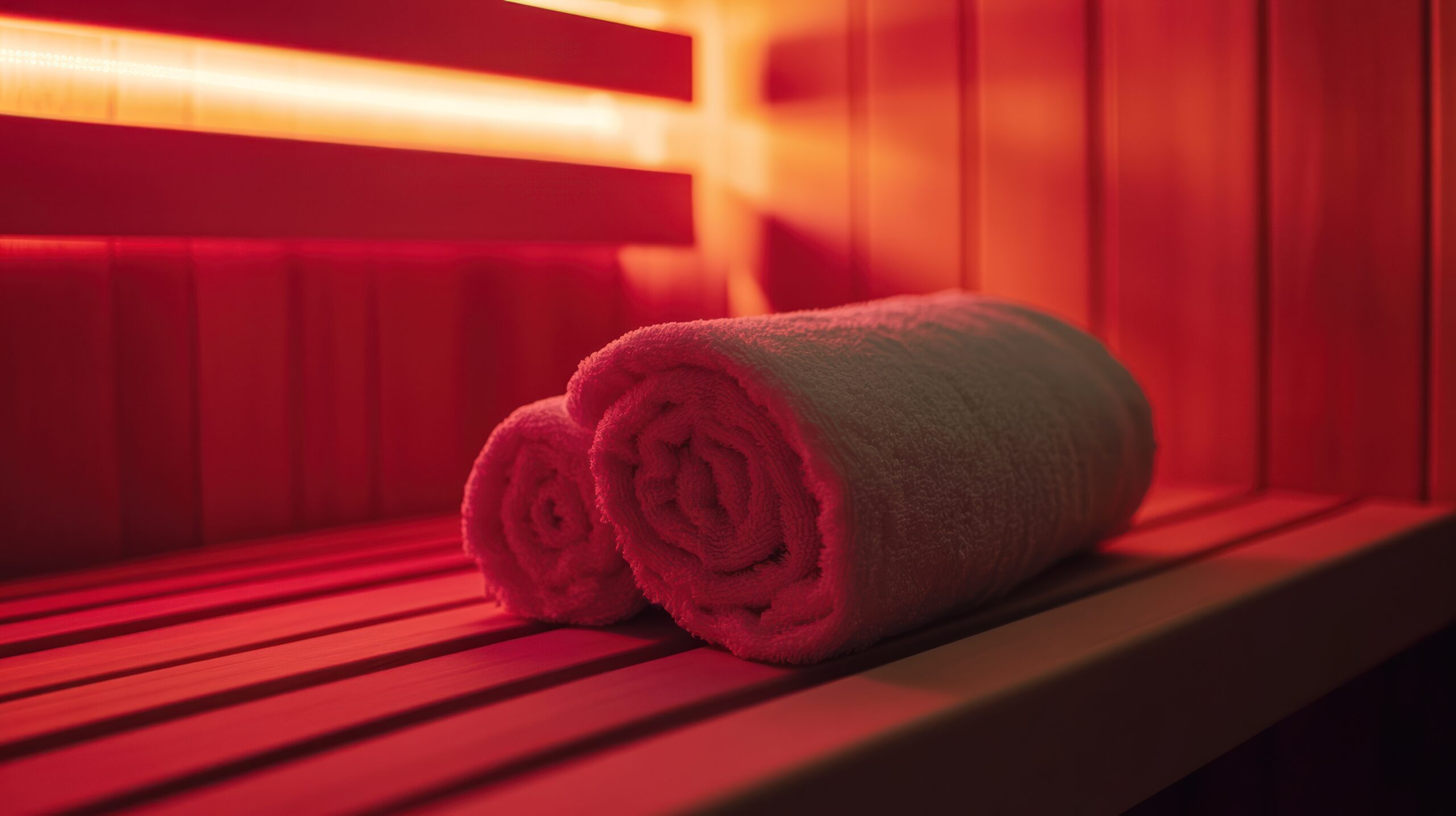
Skin laxity remains one of the most common concerns presented in aesthetic clinics. As patients age, collagen production slows, dermal structure weakens, and the skin gradually loses firmness and elasticity.
In response, many Australian clinics are expanding their treatment offerings with advanced photobiomodulation technologies that support skin rejuvenation in a non-invasive manner.
One approach gaining strong clinical interest is red light therapy. Practitioners are increasingly evaluating whether red light therapy helps sagging skin and how this technology can complement existing rejuvenation protocols. While not a replacement for surgical interventions, red light therapy provides a clinically recognised pathway to support collagen stimulation and improve overall skin quality.
For clinics seeking versatile treatment technologies, modern systems such as the Total Xen Red Light Bed provide full-body photobiomodulation exposure designed for consistent, controlled light delivery across large treatment areas.
Understanding Why Skin Begins to Sag
Skin laxity develops due to several biological changes within the dermal layers. Collagen fibres provide the structural framework that keeps skin firm, while elastin contributes to its ability to stretch and return to shape. With age, environmental exposure and cellular slowdown gradually reduce these proteins.
Key contributors to sagging skin include reduced collagen synthesis, decreased cellular energy production, slower tissue repair and reduced microcirculation. These changes lead many clinicians to explore technologies that stimulate dermal activity rather than simply treating surface symptoms.
This is where photobiomodulation enters the clinical conversation. Many practitioners investigating red light therapy sagging skin protocols are particularly interested in how specific wavelengths interact with mitochondrial activity in skin cells.
How Red Light Therapy Supports Skin Structure
Red light therapy uses carefully selected wavelengths of visible red and near infrared light to stimulate cellular processes within the skin. When absorbed by mitochondria, these wavelengths help increase adenosine triphosphate production, the energy source responsible for cellular function and repair.
In aesthetic practice, this increase in cellular energy can support fibroblast activity, the cells responsible for producing collagen and elastin. Improved collagen synthesis contributes to stronger dermal support structures, which may help reduce the appearance of sagging over time.
Clinicians examining whether red light therapy helps with sagging skin often focus on three key mechanisms.
First, photobiomodulation may stimulate fibroblast activity, supporting collagen production.
Second, improved circulation helps deliver oxygen and nutrients to skin tissue, encouraging healthy cellular turnover.
Third, enhanced cellular energy supports tissue repair processes that influence overall skin quality.
These mechanisms explain why many clinics integrate red light therapy alongside other non-invasive treatments to optimise outcomes.
Clinics delivering targeted facial treatments often utilise systems such as the LED Light Therapy Machine, which allows practitioners to apply controlled wavelengths designed to support photobiomodulation within specific treatment areas.
Evidence Behind Red Light Therapy and Skin Laxity
Clinical research into photobiomodulation continues to expand. Studies investigating red light wavelengths have observed improvements in collagen density, skin texture, and dermal thickness following consistent treatment protocols.
These outcomes contribute to ongoing discussions within the industry about whether red light therapy works for sagging skin. While results vary between patients and treatment programs, many clinics report visible improvements in skin firmness, tone, and overall appearance after a series of sessions.
Importantly, red light therapy works gradually by supporting the skin’s natural repair mechanisms. Because it stimulates biological processes rather than forcing structural change, treatment protocols often involve multiple sessions delivered over several weeks.
For clinics, this structure can support both patient satisfaction and predictable treatment planning.
Why Clinics Are Integrating Red Light Therapy Into Rejuvenation Programs
Red light therapy offers several operational advantages that make it attractive for aesthetic businesses seeking scalable treatment options.
First, the technology is non-invasive and requires minimal recovery time. Patients often appreciate treatments that allow them to return to daily activities immediately.
Second, photobiomodulation devices can be integrated alongside existing aesthetic procedures such as IPL, RF skin tightening, or laser treatments. Practitioners frequently combine modalities to support collagen stimulation from multiple pathways.
Third, treatment sessions are typically comfortable and well-tolerated, which can contribute to high patient compliance with recommended treatment schedules.
Because of these benefits, many clinics exploring red light therapy sagging skin treatments see the technology as both a clinical and operational enhancement.
Supporting Clinic Growth Through Evidence-Based Technology
For aesthetic practices, technology adoption must balance clinical outcomes with long-term business performance. Devices that support repeat treatments, predictable protocols, and broad treatment applications can contribute to sustainable growth.
Red light therapy fits naturally within this framework. Clinics can incorporate it into skin rejuvenation programs, post-treatment recovery protocols, or wellness-focused therapies.
Practitioners evaluating whether red light therapy helps sagging skin often discover that its versatility makes it suitable for multiple treatment pathways within a clinic environment.
As a result, the technology can improve treatment diversity while maintaining operational efficiency.
The Importance of Professional Grade Systems
Not all photobiomodulation systems deliver the same performance. In clinical environments, practitioners prioritise equipment that provides stable wavelength output, consistent energy distribution, and compliance with recognised safety standards.
This is particularly important when treatments involve large areas of skin or require full-body exposure.
Aesthetic Bureau develops medical-grade aesthetic technologies designed to meet these expectations. The company combines more than 30 years of engineering experience with ISO 13485:2016 compliant manufacturing processes, supporting reliability and device safety for professional environments.
Clinics using these systems report that consistent light delivery and practitioner training help ensure treatments remain both safe and effective.
Looking Ahead for Red Light Therapy in Skin Rejuvenation
As aesthetic medicine continues to evolve, non-invasive treatments that support the body’s natural repair mechanisms are becoming increasingly important. Technologies that stimulate collagen production without significant downtime align closely with patient expectations for modern aesthetic care.
For clinics researching whether red light therapy works for sagging skin, the growing body of clinical interest around photobiomodulation suggests that red light therapy will continue to play a meaningful role in rejuvenation protocols.
By integrating advanced light-based technologies into their treatment offerings, clinics can provide patients with evidence-informed options that support skin health, structural resilience, and long-term aesthetic outcomes.
For professional practices seeking reliable systems, Aesthetic Bureau remains focused on delivering clinically informed devices that combine engineering precision, practitioner training, and technology designed to support both patient results and clinic performance.