In recent years, full-body red light therapy beds have become a cornerstone of modern aesthetic and wellness practice. Far from being a cosmetic trend, this technology is grounded in a well-established scientific process known as photobiomodulation (PBMT).
For Australian clinics and wellness professionals, understanding the red light therapy bed benefits from a scientific perspective is key to integrating it safely and effectively into patient care.
Understanding the Mechanism: Photobiomodulation in Practice
At its core, red light therapy uses specific wavelengths of visible red and near-infrared light to trigger a biological response in cells.
This process, photobiomodulation, enhances the energy-producing function of the cellthereby supporting cellular repair and regeneration.
When light is absorbed by cytochrome c oxidase, an enzyme within the mitochondria, it promotes the release of adenosine triphosphate (ATP), the cell’s primary energy currency. The result is improved cellular performance and reduced oxidative stress.
These physiological mechanisms underpin many of the benefits of red light therapy bed treatments observed in clinical studies.
The Role of Full-Body Light Systems
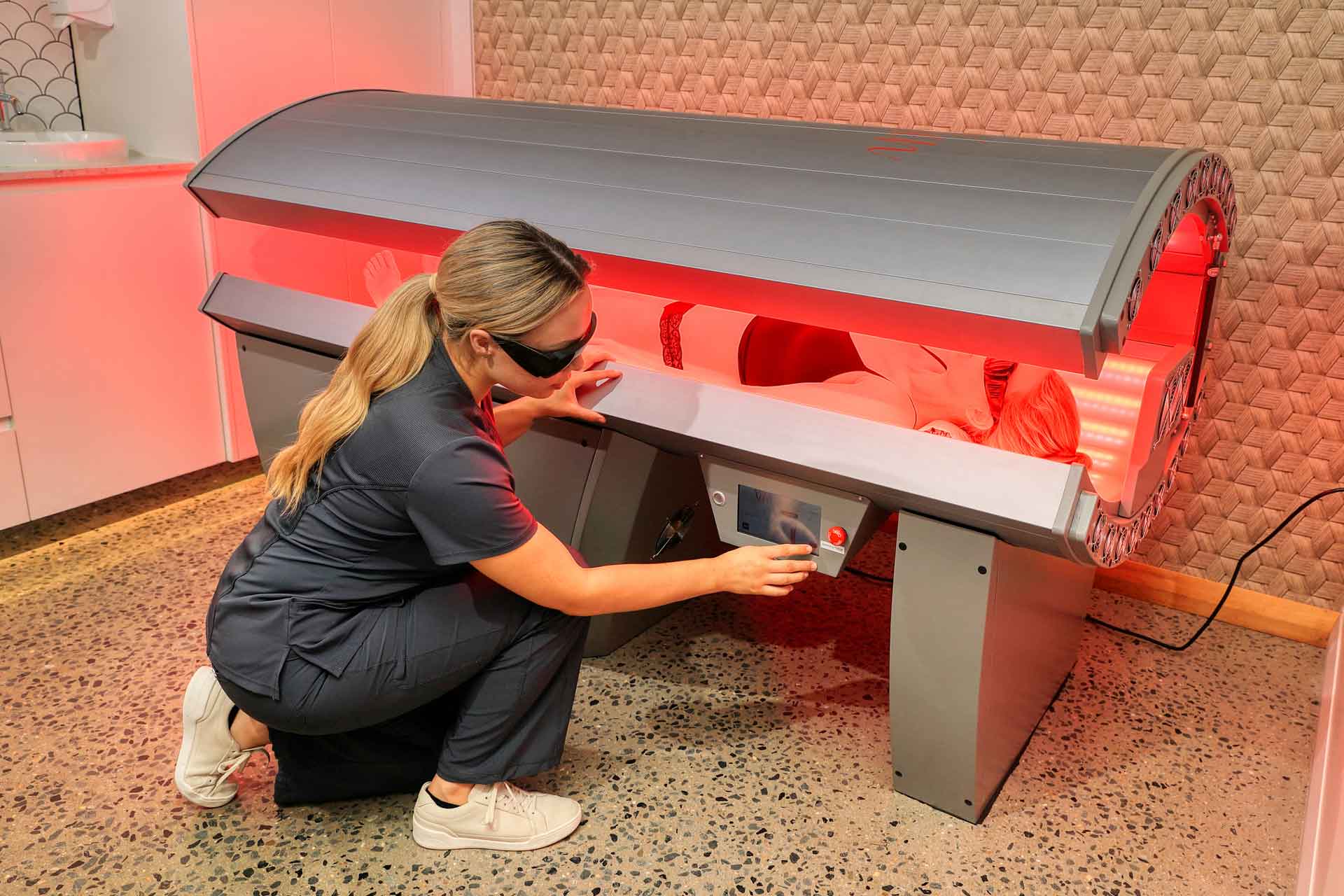
While handheld or panel-based devices can target localised areas, professional full-body systems such as the Total Xen Red Light Bed allow for uniform light exposure across large muscle groups and skin surfaces.
This even distribution of therapeutic wavelengths is essential for consistent outcomes in systemic recovery and rejuvenation protocols.
Clinics implementing full-body systems report that the technology supports a broader range of applications post-procedure recovery and musculoskeletal rehabilitation to skin health optimisation and circulation enhancement.
These findings align with the growing body of international research exploring whole-body photobiomodulation.
What Clinical Studies Reveal
Many studies have investigated the biological and clinical effects of red and near-infrared light therapy. Evidence supports its use in a wide range of clinical and wellness contexts, including:
- Tissue repair and wound healing: Red light accelerates fibroblast activity and collagen production, which are key to repairing damaged skin and soft tissue.
- Muscle recovery and pain reduction: Trials demonstrate improved muscle recovery and reduced inflammation following exercise or injury, attributed to enhanced circulation and cellular repair.
- Skin rejuvenation: Increased collagen synthesis contributes to smoother texture and improved tone, a commonly reported red light bed therapy benefit in aesthetic practice.
- Mood and sleep support: By influencing the circadian rhythm and serotonin levels, red light therapy help promote restful sleep and overall well-being.
These outcomes are not anecdotal; they are backed by clinical and laboratory studies observing measurable physiological responses to targeted light exposure.
Safety and Clinical Integration
One of the most notable red light therapy bed benefits is its excellent safety profile. When used within the appropriate parameters, PBMT is non-invasive, chemical-free, and compatible with a variety of treatment protocols.
Professional-grade systems, when operated by trained clinicians, ensure wavelength accuracy, dose consistency, and patient comfort.
Integrating red light therapy into a clinic’s treatment menu can complement other modalities such as IPL, laser, or radiofrequency, supporting tissue recovery and enhancing post-treatment results.
For practice owners, it also represents a low-maintenance technology with strong return on investment potential due to its broad application range and minimal consumable requirements.
Engineering the Future of Photobiomodulation
Aesthetic Bureau’s mission as an Australian manufacturer is to provide medical-grade systems that meet ISO 13485:2016 certification standards. With over 30 years of engineering and clinical training experience, the company develops devices like the Total Xen Red Light Bed to help clinics deliver reliable, evidence-based outcomes.
By combining robust engineering with clinician-focused design, Aesthetic Bureau ensures its systems integrate seamlessly into professional environments. This focus on safety, usability, and long-term reliability allows practitioners to concentrate on patient outcomes and business growth.
The Takeaway: Science-Led Innovation for Clinical Success
The true benefits of red light therapy bed technology extend beyond its visible results. They lie in their capacity to support natural biological processes, accelerate recovery, and enhance overall treatment efficacy.
Backed by decades of photobiomodulation research, red light therapy continues to gain recognition as a clinically validated tool in modern aesthetic and wellness practice.
For clinics seeking a scientifically grounded approach to patient care, adopting a system like the Total Xen Red Light Bed offers both clinical and commercial advantages.
As ongoing research expands our understanding of PBMT, it’s clear that evidence-based light therapy will remain a cornerstone of progressive, patient-focused practice in Australia.


