Red light therapy (RLT) has gained recognition among clinics, wellness centres, and medical practices for its evidence-based applications in cellular health and recovery.
For professionals asking, what is red light therapy good for, understanding both its mechanisms and clinically observed benefits is essential when integrating it into treatment offerings.
Understanding Red Light Therapy
Red light therapy, also known as photobiomodulation, involves exposure to low-level wavelengths of red and near-infrared light.
Research indicates that these wavelengths penetrate the skin and are absorbed by mitochondria, the energy-producing structures within cells. This absorption supports enhanced cellular function, tissue repair, and circulation.
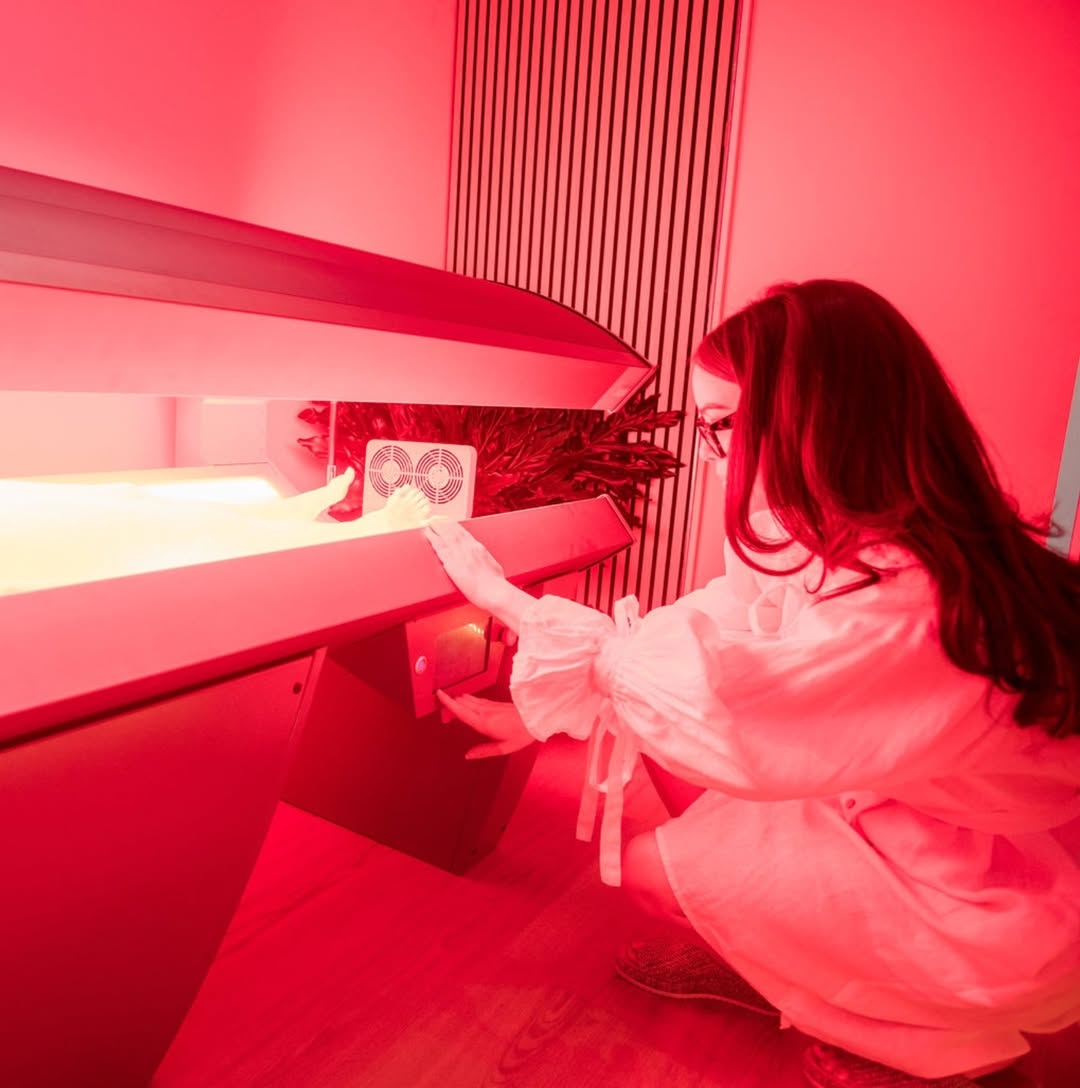
Clinics using medical-grade systems such as the Total Xen red light bed report that controlled exposure protocols can be applied safely and effectively across multiple clinical contexts.
Key Benefits of Red Light Therapy
- Supports Skin Health and Rejuvenation
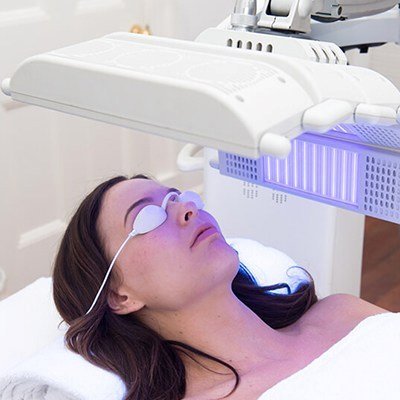
RLT can stimulate collagen production, reduce fine lines, and improve overall skin tone. Practitioners note that repeated treatments encourage cellular repair mechanisms, contributing to healthier, more resilient skin.
- Promotes Muscle Recovery and Joint Health
Red and near-infrared light have been shown to enhance circulation and reduce inflammation in targeted tissues. Clinics often incorporate RLT into recovery protocols for patients managing musculoskeletal discomfort or post-exercise recovery.
- Aids in Wound Healing and Tissue Repair
Evidence from clinical observations suggests that red light exposure accelerates healing in minor wounds and soft tissue injuries. This makes it a valuable adjunct in dermatology and rehabilitation practices.
- Enhances Circulation and Cellular Energy
By stimulating mitochondrial activity, RLT supports ATP production, the primary energy currency of cells. This improvement in cellular energy can enhance overall tissue function and recovery, providing long-term benefits for patients.
- Contributes to Pain Management
Clinics have integrated red light therapy for patients seeking non-invasive pain relief. Observed reductions in discomfort and inflammation are attributed to improved blood flow and cellular regeneration.
Practical Uses in Clinical Settings
Full-Body Recovery Sessions
Systems such as the Total Xen red light bed allow practitioners to deliver consistent, full-body exposure, supporting recovery, rejuvenation, and general wellness programmes.
Targeted Treatment Areas
Clinicians can use handheld or panel-based devices to address specific concerns, including joint pain, muscle stiffness, and skin imperfections. Protocols are adapted based on tissue type, treatment duration, and patient response.
Complementary Therapy
Red light therapy is often integrated alongside other clinical treatments, including physiotherapy, dermatology interventions, and aesthetic procedures. By enhancing cellular function, RLT can optimize outcomes in multi-modality programmes.
Why Clinics Choose Professional-Grade Systems
Professional-grade red light therapy devices, such as those supplied by Aesthetic Bureau, are designed for safety, reliability, and consistent performance. Clinics report that these ISO 13485-certified systems provide predictable clinical outcomes, operational efficiency, and a positive return on investment.
In addition, the Aesthetic Bureau offers training and support to ensure practitioners can deliver protocols effectively, enhancing patient satisfaction and long-term treatment success.
Conclusion
For clinics asking what red light therapy is good for, the evidence and professional observations consistently highlight its versatility.
From skin rejuvenation and pain management to tissue repair and enhanced circulation, red light therapy is a valuable addition to clinical protocols.
By investing in high-quality systems and training, practitioners can offer safe, effective, and scientifically supported treatments that benefit both patients and clinic performance.