Introduction
As red light therapy continues to gain adoption within Australian aesthetic and medical practices, clinicians are frequently asked to clarify its mechanisms and safety profile. One common question raised during device evaluation is: do you tan in a red light therapy bed, and more specifically, do red light therapy beds tan you in the same way as ultraviolet (UV) tanning systems?
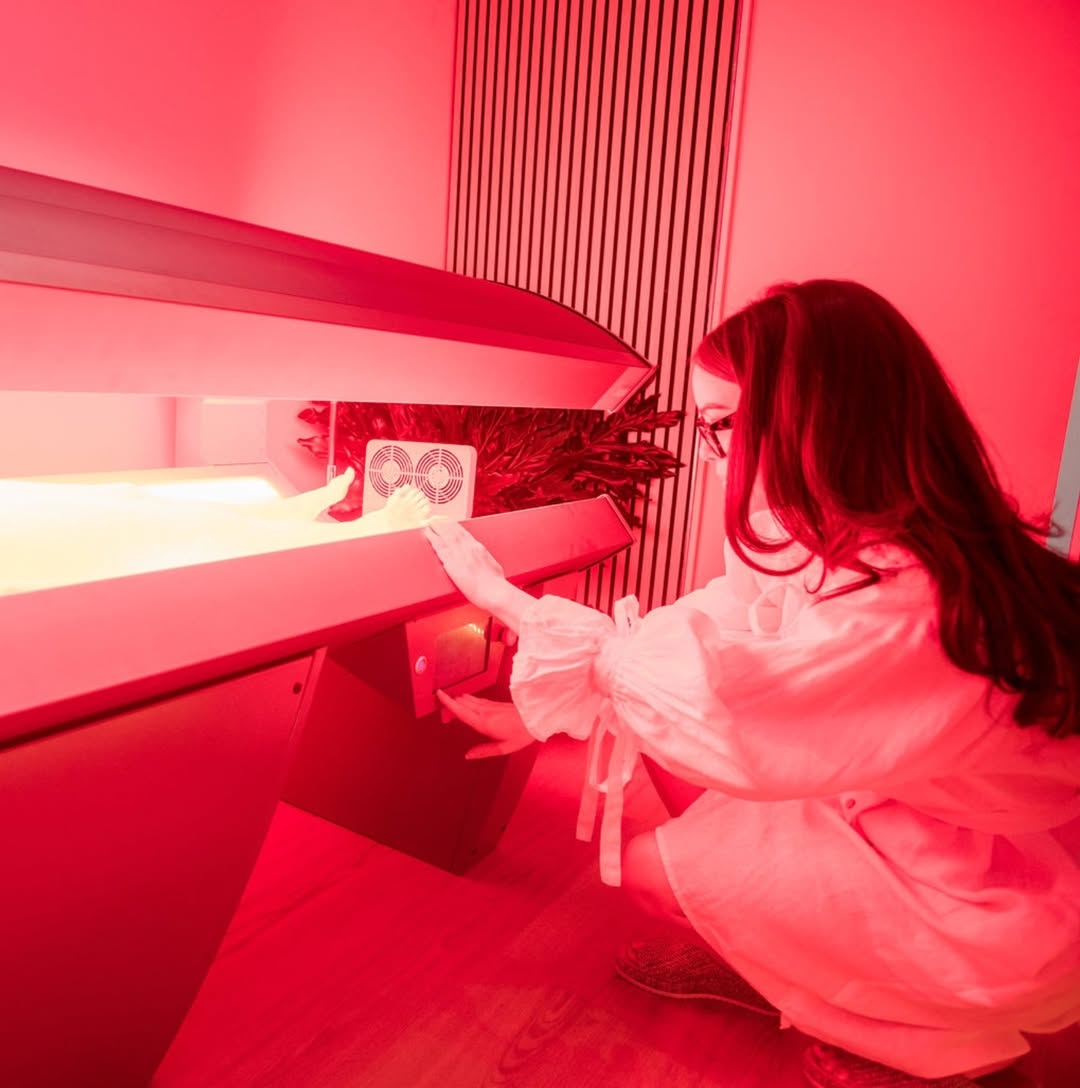
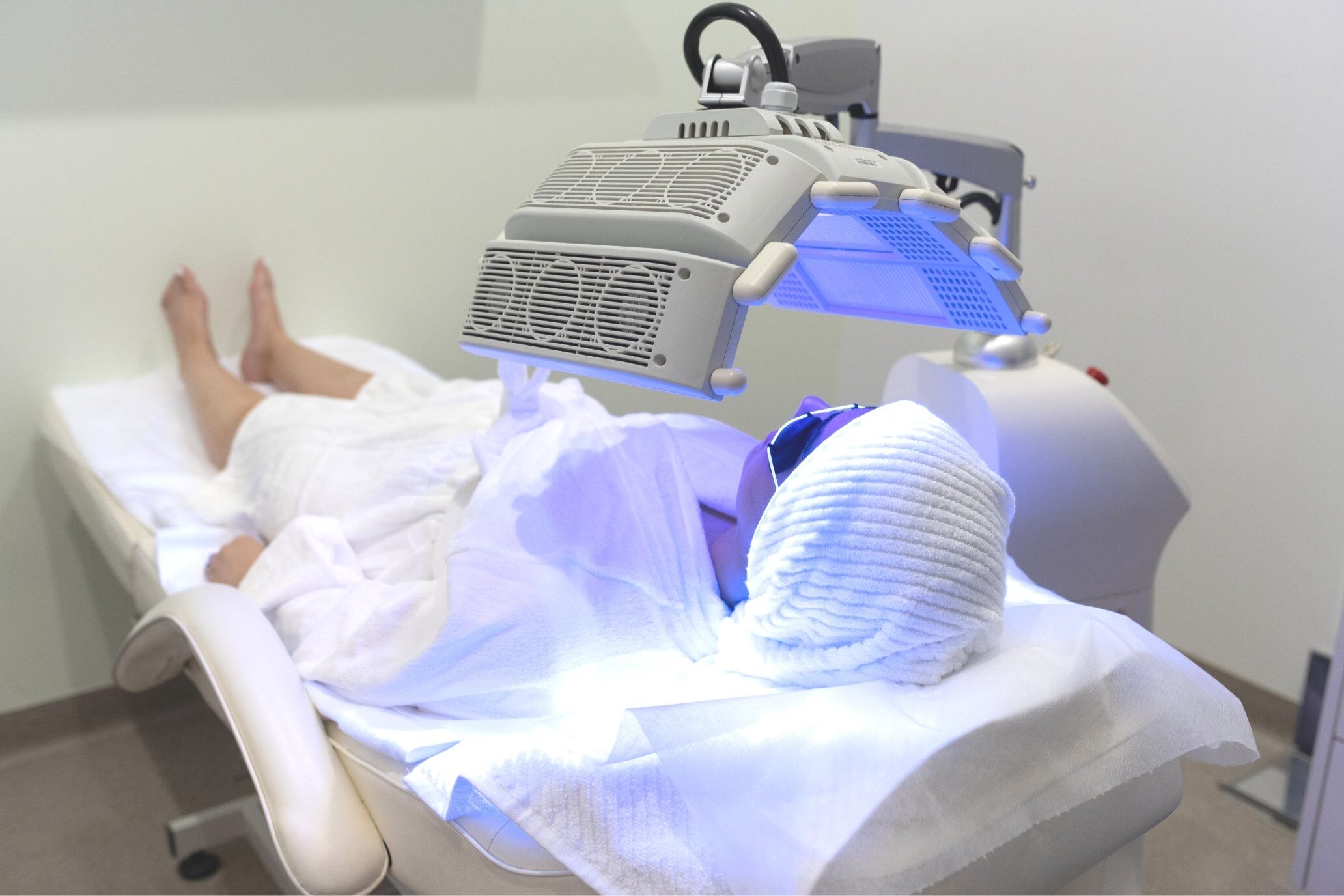
For clinics assessing a Red Light Therapy Bed as part of an evidence-based treatment offering, it is important to clearly distinguish photobiomodulation from UV-induced pigmentation. Misconceptions can affect patient expectations, informed consent processes, and regulatory positioning. This article provides a clinical overview explaining why red light therapy does not induce tanning and outlines its biological mechanisms, clinical applications, and integration within professional protocols.
Understanding the Technology: Red Light Versus Ultraviolet Radiation
Red light therapy is a form of photobiomodulation (PBM) utilising visible red and near-infrared (NIR) wavelengths, typically within the following ranges:
- Red light: approximately 630–660 nm
- Near-infrared light: approximately 810–850 nm
These wavelengths are fundamentally different from ultraviolet radiation:
- UVA: 320–400 nm
- UVB: 280–320 nm
Tanning occurs when ultraviolet radiation stimulates melanocytes to increase melanin production as a protective response to DNA damage. UV exposure activates tyrosinase and other enzymes involved in melanogenesis, resulting in visible skin darkening.
Red and near-infrared light used in clinical red light therapy beds do not emit ultraviolet radiation and therefore do not stimulate melanocyte-driven tanning pathways. Research indicates that photobiomodulation primarily influences mitochondrial function rather than melanin synthesis.
Clinics using professional systems report consistent and controlled treatment delivery due to calibrated wavelength output and defined irradiance parameters. This controlled exposure ensures predictable biological effects without UV-mediated pigmentation changes.
How Red Light Therapy Works at a Cellular Level?
When addressing the question do red light therapy beds tan you, it is essential to understand the underlying cellular processes.
Mitochondrial Stimulation
Red and near-infrared photons are absorbed by chromophores within mitochondria, particularly cytochrome c oxidase. This interaction enhances electron transport chain activity and increases adenosine triphosphate (ATP) production. Increased ATP availability supports cellular repair, protein synthesis, and regenerative processes.
Nitric Oxide Modulation
Photobiomodulation may facilitate the dissociation of nitric oxide from cytochrome c oxidase, improving mitochondrial respiration and contributing to vasodilation. This mechanism supports improved microcirculation rather than pigment production.
Gene Expression and Cellular Signalling
Low-level reactive oxygen species generated during therapy act as signalling molecules. Evidence indicates that these signals influence transcription factors associated with tissue repair and inflammation modulation, not melanogenesis.
Because red light therapy does not produce DNA damage or activate melanocyte defence mechanisms, it does not induce tanning. Instead, it supports cellular optimisation and tissue recovery.
Clinical Effects and Mechanisms
Collagen Stimulation
Research indicates that red light exposure may stimulate fibroblast proliferation and collagen synthesis. Increased collagen contributes to improved dermal structure and gradual enhancement in skin texture.
Cellular Repair
Enhanced ATP production supports keratinocyte and fibroblast activity. Practitioners observe improved wound healing responses when red light therapy is incorporated into structured clinical protocols.
Improved Circulation
Vasodilation and enhanced microvascular perfusion support oxygen and nutrient delivery. Improved circulation may result in transient erythema immediately post-treatment, which should not be confused with tanning.
Inflammation Reduction
Photobiomodulation has been associated with modulation of inflammatory cytokines and oxidative stress pathways. Reduced inflammation contributes to tissue recovery and improved comfort following procedures.
Tissue Recovery
Within recovery-focused frameworks, red light therapy is used to support musculoskeletal healing and reduce delayed onset muscle soreness, without altering skin pigmentation.
Addressing the Question Directly: Do You Tan in a Red Light Therapy Bed?
From a clinical standpoint, the answer is no. Do you tan in a red light therapy bed? Evidence indicates that tanning requires ultraviolet exposure and activation of melanocyte-driven pigmentation pathways. Professional red light therapy beds are designed to emit visible red and near-infrared wavelengths only.
Clinicians may observe temporary skin flushing due to increased circulation immediately after treatment. This effect is vascular rather than pigmentary and typically resolves within a short timeframe.
Therefore, when evaluating whether do red light therapy beds tan you, it is accurate to clarify that they do not induce melanin production or UV-related pigmentation changes. Instead, they support cellular processes associated with tissue repair and regeneration.
Clinical Outcomes Observed in Practice
Practitioners integrating red light therapy beds into their protocols report cumulative improvements over several weeks of consistent treatment. These include:
- Gradual refinement in skin texture
- Improved tone uniformity
- Reduced appearance of fine lines
- Enhanced post-procedural recovery
Before-and-after documentation in clinical settings typically demonstrates progressive improvements rather than immediate visible change. Outcomes are influenced by wavelength selection, energy density, session duration, and treatment frequency.
Importantly, any observed changes in skin appearance relate to dermal remodelling and improved circulation, not tanning or pigment alteration.
Integration of a Red Light Therapy Bed in Clinical Practice
Australian clinics have integrated Red Light Therapy Bed systems into a variety of treatment pathways, including:
- Adjunctive support for laser and resurfacing procedures
- Pre- and post-injectable recovery protocols
- Rehabilitation and recovery programs
- General skin rejuvenation frameworks
Practitioners report that full-body systems allow uniform and consistent exposure across large treatment areas. Medical-grade devices are engineered to provide calibrated irradiance and stable wavelength output, ensuring controlled exposure and reproducible outcomes.
Typical session durations range between 10 and 20 minutes, depending on device output and clinical objectives. Frequency may begin at two to three sessions per week during induction phases, followed by maintenance protocols tailored to individual patient needs.
Treatment Parameters and Professional Control
Effective implementation requires attention to:
Wavelength Specificity
Professional systems should emit clearly defined red and/or near-infrared wavelengths without ultraviolet contamination.
Fluence (J/cm²)
Appropriate dosing is essential due to the biphasic dose response observed in photobiomodulation research. Both insufficient and excessive energy may reduce the therapeutic effect.
Irradiance Stability
Consistent power output ensures reproducible biological response across treatment sessions.
Protocol Documentation
Accurate record-keeping supports objective evaluation of clinical outcomes and optimises treatment consistency.
Devices such as LED Light Therapy Machines and Total Xen Red Light Beds are designed to enable controlled exposure and consistent treatment delivery in clinical environments. These professional systems allow practitioners to maintain protocol adherence and measurable outcomes.
Professional Considerations for Clinics
When assessing a Red Light Therapy Bed for integration, clinics should consider:
- Compliance with Australian electrical and safety standards
- Accurate manufacturer specifications for wavelength and irradiance
- Staff training and protocol standardisation
- Clear patient education regarding realistic expectations
Clarifying that red light therapy does not produce tanning is particularly important for maintaining informed consent and preventing confusion with UV tanning systems.
Because the technology does not rely on ultraviolet radiation, its risk profile differs significantly from tanning devices. Clinical use indicates a favourable safety profile when delivered within recommended parameters and under professional supervision.
Conclusion
For Australian aesthetic and medical professionals evaluating device-based technologies, it is important to clearly answer the question: do red light therapy beds tan you? Evidence indicates that they do not. Red light therapy operates within visible red and near-infrared wavelengths and does not stimulate melanocyte-driven melanin production.
Instead, photobiomodulation supports cellular processes including ATP production, collagen synthesis, improved circulation, and inflammation modulation. These mechanisms contribute to tissue repair and cumulative clinical outcomes rather than pigmentation changes.
When implemented using professional-grade, medical-grade systems, a Red Light Therapy Bed enables controlled exposure and consistent treatment delivery. Integrated within structured clinical protocols, red light therapy represents an evidence-informed adjunct modality that supports measurable and safe clinical outcomes without inducing tanning.