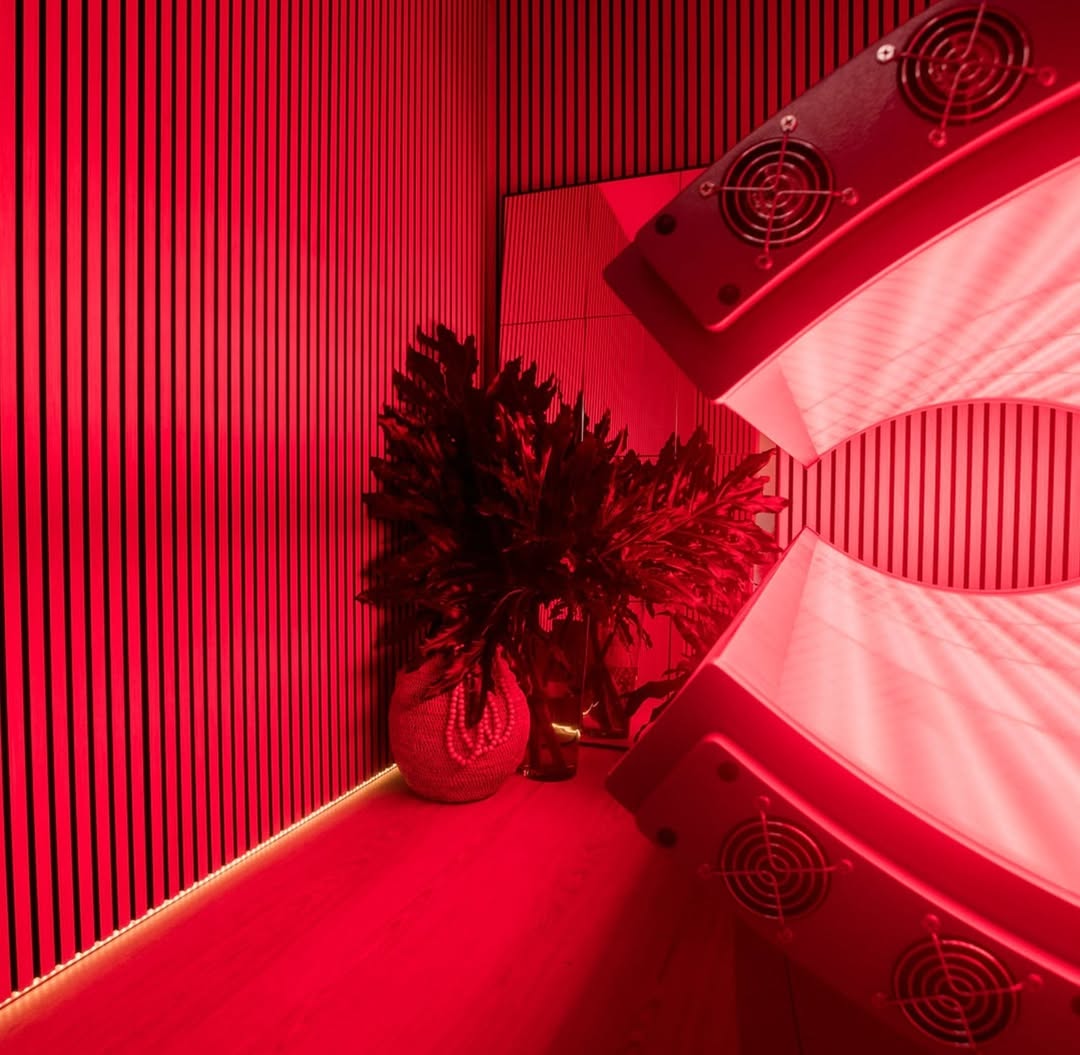
Interest in red light therapy before and after outcomes continues to increase among Australian aesthetic and medical professionals evaluating non-invasive adjunct technologies. As clinics seek evidence-based modalities that support skin rejuvenation, tissue repair, and post-procedural recovery, understanding the expected timeline of response is essential for protocol development and patient communication.
For dermatology practices, cosmetic clinics, and medical centres assessing Clinical Red Light Therapy systems, clarity around treatment progression allows for informed integration into existing clinical workflows. Rather than focusing on anecdotal transformations, this article outlines the biological mechanisms, clinical effects, and realistic week-by-week expectations observed when professional systems are used within structured protocols.
Red Light Therapy Before and After: Week-by-Week Expectations
When discussing red light therapy before and after outcomes, it is important to emphasise that results are cumulative and protocol-dependent. Clinical improvements are typically gradual and influenced by treatment frequency, energy density, and patient factors.
Week 1: Early Cellular Response
During the first week of consistent treatment (often 2-3 sessions per week), biological activity begins at a cellular level. Increased mitochondrial function and local circulation may occur, although visible changes are usually minimal.
Clinicians may observe subtle improvements in skin hydration and transient erythema reduction. At this stage, outcomes are primarily biochemical rather than structural.
Week 2: Early Clinical Indicators
By the second week, some practitioners report observable improvements in skin tone uniformity and mild textural refinement. In cases involving inflammation or post-procedural healing, a reduction in redness and improved comfort may be noted.
When evaluating before and after red light therapy photographs at this stage, changes are generally subtle and best assessed using consistent lighting and imaging protocols.
Weeks 3-4: Progressive Structural Changes
By the third and fourth weeks, cumulative stimulation of fibroblasts may contribute to measurable improvements in dermal density. Clinics often report:
- Improved skin luminosity
- Reduced appearance of fine lines
- Enhanced post-treatment recovery
- Smoother surface texture
This timeframe is commonly referenced in red light therapy before and after comparisons, particularly in aesthetic applications. However, practitioners should recognise that structural remodelling continues beyond the first month.
Weeks 6-8: Consolidation Phase
At six to eight weeks, consistent treatment under professional supervision may demonstrate more pronounced outcomes. Clinical observations suggest:
- Improved elasticity
- Greater uniformity in pigmentation appearance
- Reduction in low-grade inflammatory skin conditions
- Enhanced tissue recovery in integrative protocols
This phase often represents a meaningful comparison point for full-body red light therapy before and after assessments, particularly when systemic circulation and musculoskeletal recovery are relevant.
Ongoing Maintenance
Long-term maintenance protocols vary depending on the indication. Clinical use indicates that maintenance sessions at reduced frequency help sustain collagen stimulation and cellular function. Discontinuation may lead to gradual regression toward baseline physiological ageing patterns.
Full Body Red Light Therapy Before and After: Systemic Considerations
Full-body photobiomodulation systems, including professional-grade beds such as Total Xen Red Light Beds, enable simultaneous exposure across large surface areas. In full body red light therapy before and after comparisons, practitioners report broader systemic effects, including:
- General improvements in skin tone consistency
- Musculoskeletal recovery support
- Enhanced circulation
- Reduced perception of stiffness in integrative rehabilitation settings
Because full-body systems deliver uniform irradiance across multiple anatomical regions, controlled exposure is critical. Medical-grade equipment allows clinicians to standardise fluence and session duration, supporting consistent treatment delivery across patients.
Clinical Integration in Australian Practices
Australian clinics integrating Clinical Red Light Therapy typically incorporate the modality in several ways:
- As a pre-conditioning treatment prior to laser or energy-based procedures
- As a post-procedural recovery adjunct
- As part of anti-ageing protocols
- Within integrative dermatology or rehabilitation frameworks
Practitioners report that session parameters commonly range between 10 and 20 minutes, depending on device irradiance and indication. Frequency often begins at two to three sessions per week during induction phases.
Controlled exposure, accurate dosing, and adherence to manufacturer guidelines are essential. Overexposure does not necessarily enhance outcomes and may reduce biological efficacy due to biphasic dose-response characteristics observed in photobiomodulation research.
Professional Considerations for Implementation
When evaluating professional systems such as LED Light Therapy Machines or Total Xen Red Light Beds, clinics should consider the following:
Consistency of Energy Output
Medical-grade devices are designed to deliver stable irradiance and wavelength specificity, ensuring reproducibility across sessions.
Protocol Development
Structured clinical protocols improve outcome predictability. Documentation of exposure time, fluence, and frequency enables objective evaluation of red light therapy before and after outcomes.
Safety and Compliance
Clinical use indicates that red light therapy has a strong safety profile when delivered within recommended parameters. Protective eyewear and adherence to contraindications remain essential.
Patient Education
Clear explanation of cumulative response and realistic timelines helps align expectations. Results are not immediate; they develop progressively with consistent treatment.
Positioning Within Broader Clinical Protocols
Red light therapy is most effective when integrated into comprehensive treatment plans rather than used as a standalone modality. Clinics frequently combine photobiomodulation with:
- Laser resurfacing
- Microneedling
- Injectable procedures
- Post-surgical recovery pathways
Clinical observations suggest that combining modalities may optimise tissue repair and reduce recovery time. However, treatment sequencing and timing should be individualised according to patient presentation and clinical objectives.
Conclusion
For Australian aesthetic and medical professionals assessing emerging technologies, understanding red light therapy before and after progression is essential. Evidence indicates that clinical improvements occur through cumulative cellular stimulation, collagen synthesis, improved circulation, and modulation of inflammation.
When delivered using professional-grade, medical-grade devices under structured protocols, Clinical Red Light Therapy provides controlled exposure and consistent treatment delivery. Clinics that integrate photobiomodulation within evidence-based frameworks report measurable clinical outcomes over weeks rather than days.
As with all device-based technologies, optimal results depend on appropriate patient selection, adherence to protocol, and integration into broader clinical strategies. For practices evaluating non-invasive adjunct modalities, red light therapy represents a clinically supported addition that aligns with modern regenerative and aesthetic treatment objectives.