As non-invasive technologies continue to expand within Australian aesthetic and medical practice, many clinicians are evaluating photobiomodulation devices and asking: does red light therapy work, and if so, through which mechanisms? For dermatology practices, cosmetic clinics, sports medicine centres, and multidisciplinary medical environments, understanding the scientific basis of this modality is essential before integrating it into clinical protocols.
Red light therapy, also referred to as photobiomodulation (PBM), is increasingly utilised as an adjunctive modality in skin rejuvenation, tissue repair, and musculoskeletal recovery settings. For practices considering Red Light Therapy For Recovery, a clear understanding of its cellular effects, dosing parameters, and expected clinical outcomes is necessary to ensure evidence-based implementation and consistent treatment delivery.
Does Red Light Therapy Work? A Review of Clinical Evidence
The question does clinical red light therapy work? must be evaluated through peer-reviewed research and clinical observation. Systematic reviews of photobiomodulation literature indicate measurable effects in:
- Wound healing acceleration
- Reduction of inflammatory markers
- Improvement in skin texture and fine lines
- Support for musculoskeletal recovery
However, outcomes are highly dependent on treatment parameters, including wavelength, fluence (J/cm²), irradiance (mW/cm²), session duration, and treatment frequency. Clinical use indicates that consistent, protocol-driven exposure is necessary to achieve measurable outcomes.
Importantly, results are cumulative rather than immediate. Structural changes such as collagen remodelling occur over weeks, while improvements in inflammation and circulation may be observed earlier.
Clinical Outcomes Observed in Practice
Practitioners integrating professional red light systems report several observable clinical outcomes when treatments are delivered consistently:
- Gradual improvement in skin tone uniformity
- Reduction in superficial fine lines
- Enhanced post-procedural healing response
- Improved tissue recovery in musculoskeletal settings
Before-and-after evaluations in clinical environments typically demonstrate progressive changes over four to eight weeks. High-quality imaging protocols, consistent lighting conditions, and objective documentation are essential to accurately assess treatment response.
It is important to emphasise that red light therapy functions optimally as part of a broader clinical framework rather than as a standalone intervention. Integration with laser procedures, microneedling, injectable treatments, or rehabilitation protocols may optimise tissue repair and recovery.
Red Light Therapy For Recovery in Clinical Practice
Interest in Red Light Therapy For Recovery has expanded beyond aesthetic settings into sports medicine, physiotherapy, and integrative care models. In these contexts, photobiomodulation is used to support:
- Soft tissue recovery
- Reduction of inflammation
- Enhancement of circulation
- Post-operative tissue support
Clinical use indicates that treatment timing is critical. Preconditioning tissue prior to procedures and delivering sessions in the immediate post-treatment window may influence recovery trajectories.
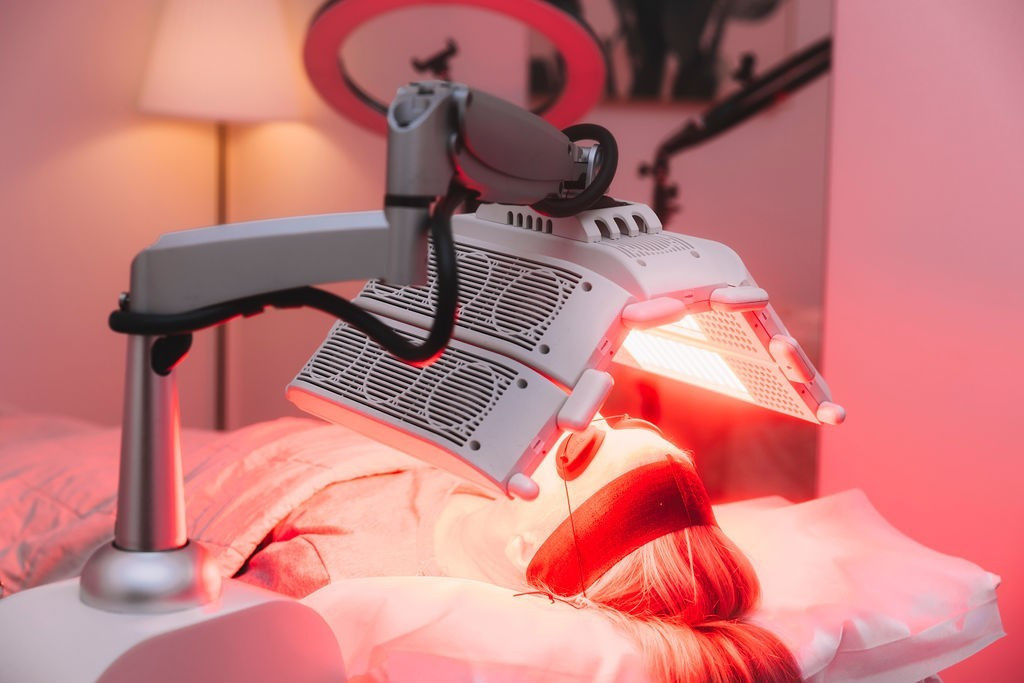
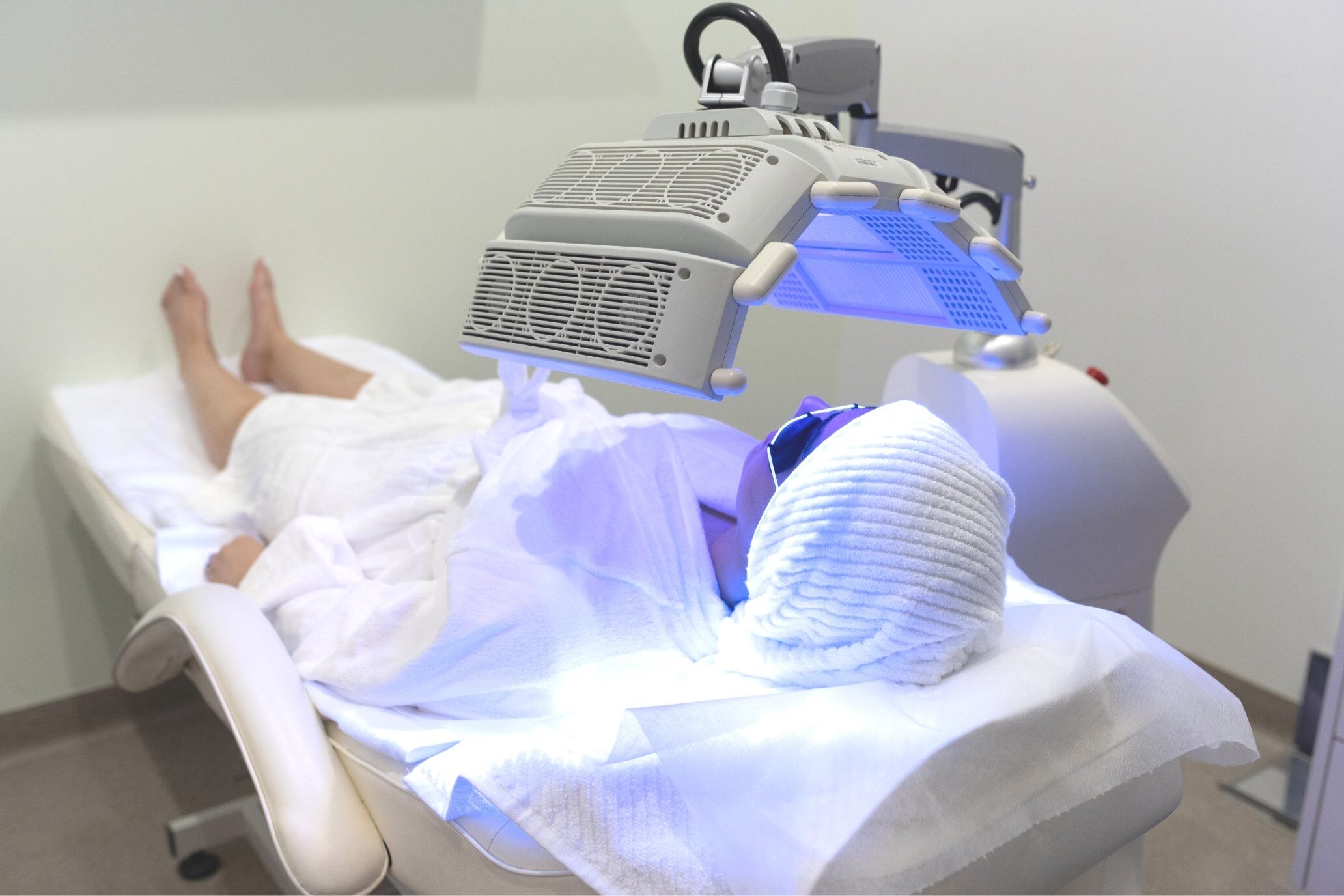
Practitioners report that whole-body systems allow uniform exposure, while targeted LED Light Therapy Machines provide localised treatment for specific anatomical regions. Medical-grade systems enable controlled exposure and consistent energy delivery, which is essential when aiming for reproducible clinical outcomes.
Treatment Parameters and Professional Control
Effective implementation requires careful consideration of:
Wavelength Selection
Red wavelengths are typically utilised for superficial dermal targets, while near-infrared wavelengths penetrate deeper tissues.
Fluence and Irradiance
Therapeutic windows vary depending on the indication. Professional systems allow clinicians to select energy densities appropriate for skin rejuvenation versus musculoskeletal recovery.
Exposure Time
Sessions commonly range from 10 to 20 minutes, depending on device output and clinical objectives.
Frequency
Induction phases often involve two to three sessions per week, followed by maintenance protocols as clinically indicated.
Because photobiomodulation demonstrates a dose-dependent response, professional-grade systems such as LED Light Therapy Machines or Total Xen Red Light Beds are designed to provide calibrated and consistent outputs. This supports predictable treatment delivery across patient cohorts.
Professional Considerations for Clinics
When evaluating whether red light therapy should be incorporated into practice, clinics should assess:
- Strength and quality of supporting clinical evidence
- Device specifications, including wavelength stability and irradiance accuracy
- Ability to document and standardise clinical protocols
- Compliance with Australian safety standards
Patient education also plays a role in outcome consistency. Clear explanation of cumulative effects and structured scheduling supports adherence to treatment plans.
Safety data indicate that red light therapy has a favourable profile when delivered within recommended parameters. Protective eyewear and adherence to contraindications remain standard practice.
Integration Into Broader Clinical Protocols
Clinics have integrated red light therapy into a variety of workflows, including:
- Pre- and post-laser protocols
- Adjunctive support for microneedling and resurfacing
- Recovery enhancement following injectable treatments
- Musculoskeletal rehabilitation pathways
Clinical use indicates that integration within structured protocols enhances consistency of outcomes. Photobiomodulation should be positioned as a complementary modality supporting tissue repair and cellular optimisation rather than replacing established interventions.
Conclusion
For Australian clinics evaluating emerging device-based technologies, understanding how red light therapy works is fundamental to evidence-based adoption. Photobiomodulation exerts measurable effects through mitochondrial activation, ATP production, nitric oxide modulation, and inflammatory pathway regulation.
When clinicians ask, does red light therapy work? Current research and clinical observations suggest that it produces meaningful clinical outcomes when delivered under controlled conditions using professional systems. Results are cumulative, protocol-dependent, and optimised through consistent treatment delivery.
Medical-grade devices designed for Red Light Therapy For Recovery enable calibrated wavelengths, controlled exposure, and reproducible fluence levels. For aesthetic and medical professionals seeking adjunct modalities that support tissue repair, inflammation modulation, and recovery, red light therapy represents a clinically supported addition to structured clinical protocols.
As with all device-based treatments, optimal outcomes depend on appropriate patient selection, protocol adherence, and integration into comprehensive care frameworks. When implemented with professional oversight and controlled exposure, red light therapy can contribute to measurable and consistent clinical outcomes within modern aesthetic and medical practice.