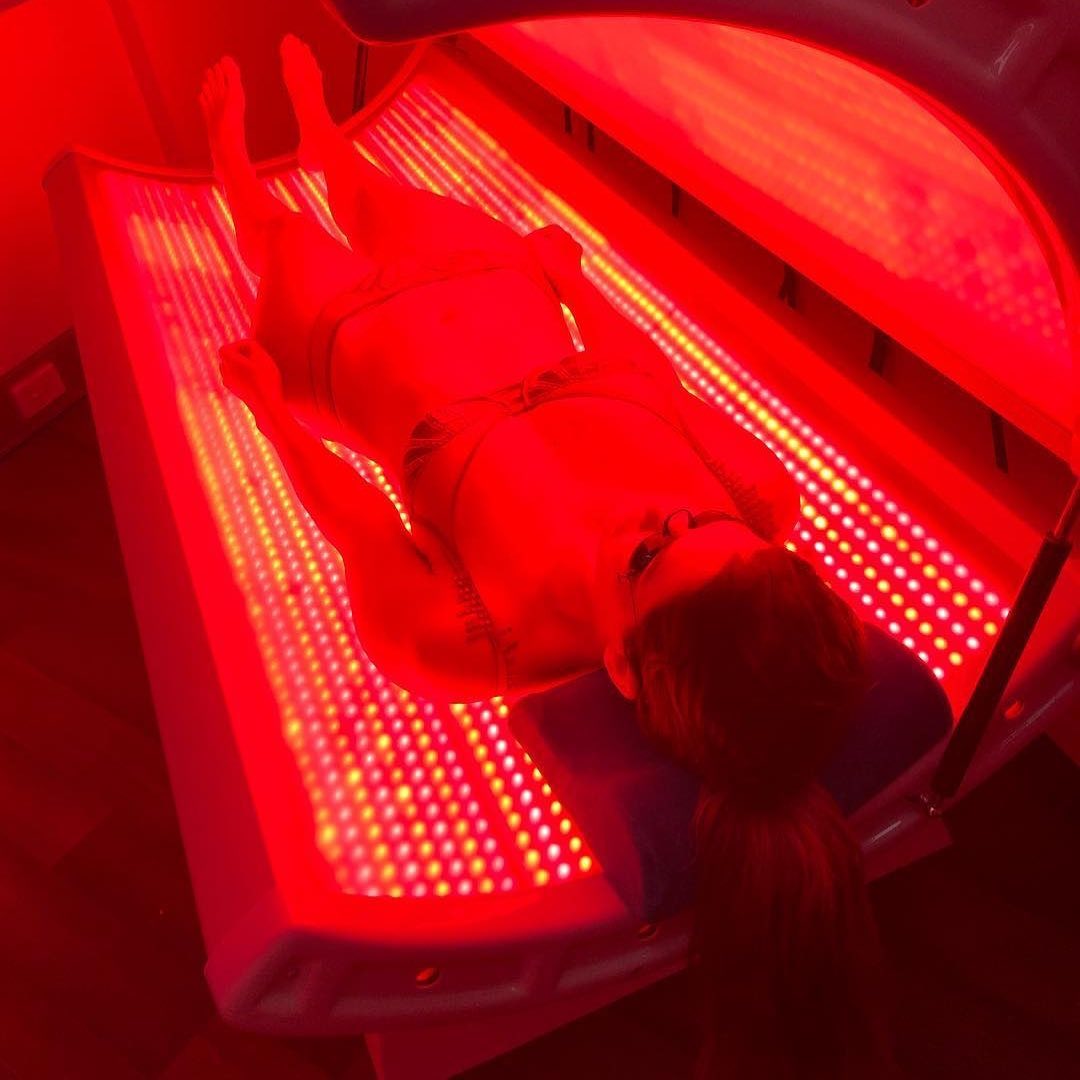
As red light therapy beds become an increasingly standard feature in clinics, wellness centres, and recovery facilities across Australia, one question continues to come up among practitioners evaluating new technology: are red light therapy beds safe?
The short answer is yes, when the device is medical-grade, properly calibrated, and used within recommended clinical protocols. But that answer deserves far more context, particularly for practitioners responsible for patient safety and regulatory compliance.
This guide covers the science behind red light therapy safety, how professional beds differ from consumer devices, which populations require caution, and how to evaluate a device before bringing it into your clinic.
How Red Light Therapy Works
Red light therapy, also referred to as photobiomodulation (PBM), uses specific wavelengths of red and near-infrared light to interact with biological tissue at the cellular level.
When light in the 630nm to 850nm range penetrates the skin, it is absorbed by mitochondrial chromophores, stimulating the production of adenosine triphosphate (ATP), the primary energy currency of the cell.
This process supports cellular repair, collagen stimulation, circulation improvement, and inflammation modulation. Unlike UV light, red and near-infrared wavelengths do not cause photochemical damage to DNA and are not associated with ionising radiation.
This is a key distinction that underpins the safety profile of properly designed red light therapy systems.
A full-body red light therapy bed delivers these wavelengths across a wide surface area, allowing clinics to offer consistent, whole-body photobiomodulation in a single session. When built to the correct specification, these devices emit therapeutic light, not heat-based or UV-based energy.
Are Red Light Therapy Beds Safe? The Evidence Base
The clinical literature on photobiomodulation is substantial and growing. Red light therapy has been studied for applications including wound healing, musculoskeletal recovery, skin rejuvenation, and neurological support, with a favourable safety profile consistently reported across controlled trials.
Research published in peer-reviewed journals, including Photomedicine and Laser Surgery and the Journal of Photochemistry and Photobiology,y has repeatedly found that low-level red and near-infrared light, delivered at appropriate irradiance and exposure times, does not damage tissue. Studies consistently report no significant adverse events when devices are used as directed.
From a regulatory standpoint, professional-grade red light therapy devices in Australia are classified as therapeutic goods and subject to the Therapeutic Goods Administration (TGA) framework. Devices sourced from ISO 13485:2016-certified manufacturers are built and tested to meet the safety and quality management standards applied to medical-grade technology.
Aesthetic Bureau designs and manufactures its LED light therapy machines to ISO 13485:2016 standards, ensuring that every system leaving the facility meets the quality benchmarks expected in a clinical environment.
Are Tanning Beds with Red Light Therapy Safe? Understanding the Difference
This is one of the most common points of confusion among both practitioners and their clients: the question of whether tanning beds with red light therapy are safe. The confusion is understandable, given that some older tanning salon equipment incorporated red light panels alongside UV tubes. However, these two technologies are fundamentally different and should not be conflated.
UV Tanning Beds
Conventional tanning beds emit ultraviolet radiation (UVA and UVB), which stimulates melanin production. UV radiation is classified as a Group 1 carcinogen by the International Agency for Research on Cancer (IARC) and is associated with increased risk of melanoma and other skin cancers. In Australia, commercial tanning beds for cosmetic use have been banned since 2015 due to these documented risks.
Medical-Grade Red Light Therapy Beds
Purpose-built red light therapy beds, such as the Total Xen Red Light Bed from Aesthetic Bureau, emit no UV radiation whatsoever. They are designed exclusively to deliver therapeutic red and near-infrared wavelengths, and are built for clinical use, not cosmetic tanning.
The distinction is critical for practitioners fielding client questions. A medical-grade red light therapy bed used in your clinic is not a tanning bed. It is a therapeutic device with an entirely different mechanism of action, a different regulatory classification, and a different risk profile.
Clinics that communicate this distinction clearly tend to build greater patient trust and reduce hesitation from clients who may have concerns based on the outdated association between light therapy beds and tanning equipment.
Known Contraindications and Populations Requiring Caution
While the safety record of red light therapy is well established for most populations, clinical protocols must account for specific contraindications. Responsible practitioners review these before commencing treatment and document screening outcomes accordingly.
Populations and conditions where additional caution is warranted include:
- Active photosensitising medications: Certain medications, including some antibiotics, antifungals, retinoids, and chemotherapy agents, increase light sensitivity. Practitioners should review the client’s current medication list before treatment.
- Active malignancy: Photobiomodulation is generally avoided over areas of known or suspected malignancy, as the pro-proliferative cellular effects are contraindicated in oncology contexts.
- Pregnancy: While there is no direct evidence of harm to foetal development from red light therapy, the absence of robust clinical data in this population means most clinical guidelines recommend avoiding treatment during pregnancy as a precautionary measure.
- Epilepsy: Clients with photosensitive epilepsy may be at risk from flickering light sources. This risk is negligible with continuous-output devices but should be assessed during intake.
- Direct ocular exposure: Although red light therapy does not carry the corneal damage risk associated with UV, prolonged direct exposure of the eyes to high-intensity red or near-infrared light should be avoided. Appropriate eye protection is standard protocol.
A structured intake and contraindication screening process is an essential component of delivering red light therapy safely in a clinical setting. Device manufacturers and clinical educators should be a key resource in helping practitioners develop these protocols.
What Makes a Red Light Therapy Bed Clinically Safe?
Not all red light therapy beds carry the same safety credentials. There is a considerable difference between consumer-grade devices available online and medical-grade systems designed for clinical use. When evaluating a bed for your clinic, the following factors are directly relevant to safety and clinical suitability.
Wavelength Accuracy and Irradiance Consistency
Therapeutic efficacy, and by extension safety at correct dosage, depends on delivering light at verified wavelengths with consistent irradiance across the treatment surface. Devices that cannot reliably maintain their stated output parameters present both efficacy and safety risks. Medical-grade systems are engineered and tested to maintain spectral accuracy across the life of the device.
ISO 13485:2016 Manufacturing Certification
ISO 13485:2016 is the international quality management standard for medical device manufacturing. Certification demonstrates that a manufacturer operates documented quality systems covering design control, production, testing, and post-market surveillance. For practitioners, sourcing from an ISO-certified manufacturer is a meaningful indicator of device reliability and regulatory seriousness.
Clinical Training and Protocol Support
A device is only as safe as the practitioner using it. Reputable manufacturers provide structured clinical training, contraindication guidance, and ongoing protocol support. This training-first approach is central to how Aesthetic Bureau supports clinics that invest in its systems.
Thermal Management and Electrical Safety
Full-body red light therapy beds generate heat as a byproduct of LED operation. Medical-grade devices incorporate thermal management systems to maintain safe operating temperatures across extended clinical use. Adequate ventilation, appropriate electrical certification, and robust construction are non-negotiable in a professional environment.
How Clinics Are Using Red Light Therapy Beds Safely
Across Australia, clinics incorporating medical-grade red light therapy beds into their treatment menus consistently report that client outcomes and satisfaction are closely tied to the quality of the device and the rigour of the clinical protocol. Practitioners who invest in structured training and documented intake processes report fewer adverse events, stronger client retention, and greater confidence in expanding their offering.
Common applications where red light therapy beds are being used within Australian clinics include:
- Post-procedure recovery support following laser or IPL treatments
- Sports recovery and musculoskeletal rehabilitation in performance clinics
- Anti-ageing and skin rejuvenation programmes
- General wellness and cellular health protocols
- Inflammation management in integrative health settings
The Total Xen Red Light Bed is designed to support clinics across all of these applications, delivering consistent, full-body red and near-infrared light exposure within a system built for high clinical throughput and patient comfort.
Evaluating Safety Claims: What Practitioners Should Ask
As the market for red light therapy devices continues to expand, practitioners are encountering a wider range of products with varying levels of clinical credibility. When assessing any red light therapy bed for clinical use, the following questions are a useful starting point:
- Is the device manufactured under an ISO 13485:2016-certified quality management system?
- Are wavelength and irradiance specifications verified by independent testing, or are they self-reported?
- Does the manufacturer provide structured clinical training and contraindication protocols?
- What is the manufacturer’s post-sale support offering, including technical service and software updates?
- Is the device compliant with Australian electrical safety and therapeutic goods requirements?
These questions help separate professionally manufactured systems from the growing number of consumer-grade devices being marketed with clinical-sounding language. The distinction matters for patient safety, practitioner liability, and the long-term viability of your investment.
Conclusion: Safety Is Determined by the Device and the Protocol
Red light therapy beds are safe for clinical use when the device is medical-grade, properly engineered, and deployed within a structured clinical protocol. The photobiomodulation mechanism does not carry the risks associated with UV radiation, ionising energy, or thermal treatments, and the existing evidence base supports a strong safety profile for appropriately dosed, professionally administered red light therapy.
For practitioners evaluating this technology, the critical variables are not the therapy itself but rather the quality of the device, the credentials of the manufacturer, and the thoroughness of the clinical training underpinning its use.
Aesthetic Bureau supports clinics across Australia with ISO 13485:2016-certified red and near-infrared light therapy systems, backed by more than 30 years of engineering experience and a training-first approach to device integration. Clinics using Aesthetic Bureau systems report consistent patient outcomes, high treatment satisfaction, and the confidence that comes from working with professionally manufactured, evidence-aligned technology.
To learn more about our LED light therapy machines or the Total Xen Red Light Bed, contact the Aesthetic Bureau team or explore our full device range online.