Red light therapy has evolved from a supportive skin treatment into a core technology across Australian aesthetic, wellness and spa-clinic environments. Today, the modality is valued not just for visible cosmetic improvements but for its scientifically documented role in cellular repair, mitochondrial efficiency, and post-treatment recovery pathways.
For clinics operating in a competitive environment, understanding how and why red and near-infrared wavelengths influence biological tissues is essential for delivering predictable results and investing in equipment that performs reliably in a professional setting.
This expert guide breaks down the full scientific foundation behind red light therapy benefits for skin and recovery supported by research, clinical observation and engineering-led device design.
Understanding the Mechanisms Behind Photobiomodulation
Photobiomodulation (PBM) is the biological process through which red and near-infrared light interacts with cells to improve their efficiency and repair function. Unlike energy-based devices that trigger controlled injury (e.g., lasers, RF), PBM works through non-thermal, non-ablative light absorption.
1. Chromophore Activation
Specific wavelengths primarily 630–660 nm (red) and 810–850 nm (near-infrared) are absorbed by chromophores such as cytochrome-c oxidase, the enzyme responsible for mitochondrial respiration.
This interaction increases oxygen utilisation and supports more efficient ATP production.
2. Mitochondrial Upregulation
Improved ATP output enhances the activity of fibroblasts, keratinocytes and endothelial cells leading to measurable improvements in tissue repair and skin structure.
3. Microcirculation Enhancement
Red light widens microvascular networks, improving nutrient delivery and waste removal in the treated area.
4. Regulation of Oxidative Stress
Research indicates that PBM helps regulate reactive oxygen species (ROS), supporting balanced inflammatory responses without triggering tissue disruption.
These four mechanisms are the scientific backbone of the clinical benefits observed in Australian aesthetic practices.

Why Wavelength Precision Drives Clinical Outcomes
One of the strongest predictors of treatment success is wavelength accuracy.
Decades of PBM research consistently identify the following therapeutic windows:
- 630–660 nm: Surface and mid-dermal penetration, ideal for skin rejuvenation, wound repair, and erythema reduction
- 810–850 nm: Deeper penetration, supporting muscular recovery, circulation and inflammation modulation
For this reason, clinics prioritise systems engineered for:
- exact wavelength emission (not ranges that drift or fluctuate)
- consistent irradiance across the treatment panel
- medically regulated optical stability
even light distribution to eliminate “hot spots”
Aesthetic Bureau’s professional LED light therapy machine Range is purpose-built to meet these requirements, supporting predictable, reproducible outcomes across skin, recovery and wellness programs.
Clinically Recognised Benefits for Skin Health
Red light therapy has become a foundational modality in clinics because it delivers biological changes without discomfort, healing time or disruption to surrounding tissues. Its benefits directly correlate with mitochondrial efficiency and improved tissue oxygenation.
1. Collagen and Elastin Support
PBM stimulates fibroblast activity and increases procollagen synthesis, resulting in:
- improved firmness
- reduced fine lines
- better skin density
This makes red light therapy one of the best non-invasive options for long-term structural improvement.
2. Reduction in Redness and Sensitivity
Post-laser, IPL, microneedling and chemical treatments often require controlled inflammatory modulation. LED assists by:
- calming erythema
- reducing post-treatment heat
- supporting barrier repair
Clinics frequently report shorter downtime and smoother post-care experiences.
3. Enhanced Skin Hydration Appearance
By improving circulation and cellular respiration, PBM enhances the appearance of hydration and plumpness, especially in dehydrated or compromised skin.
4. Improvements in Tone and Texture
Regular LED exposure supports keratinocyte turnover and surface renewal, creating noticeable changes in brightness, softness and uniformity.
These outcomes align red light therapy with modern aesthetic programs that prioritise tissue health, long-term skin integrity and non-invasive maintenance.
Recovery and Post-Procedure Comfort: The Science-Backed Advantage
PBM is one of the most researched modalities for reducing post-treatment discomfort and assisting tissue recovery.
Clinics report consistent benefits including:
1. Lower Inflammation Levels
Through ROS modulation and improved mitochondrial function, red light reduces transient inflammation following:
- laser treatments
- energy-based modalities
injections and dermal therapies
- body treatments
2. Faster Return to Normal Activity
Patients often resume normal routines more quickly due to improved tissue efficiency and metabolic support.
3. Muscular Recovery for Wellness and Integrative Settings
Near-infrared wavelengths are especially valuable for:
- active clients
- recovery-focused spa clinics
integrative health environments
They support better circulation, reduced soreness and faster tissue repair.
4. Whole-Body Recovery Pathways
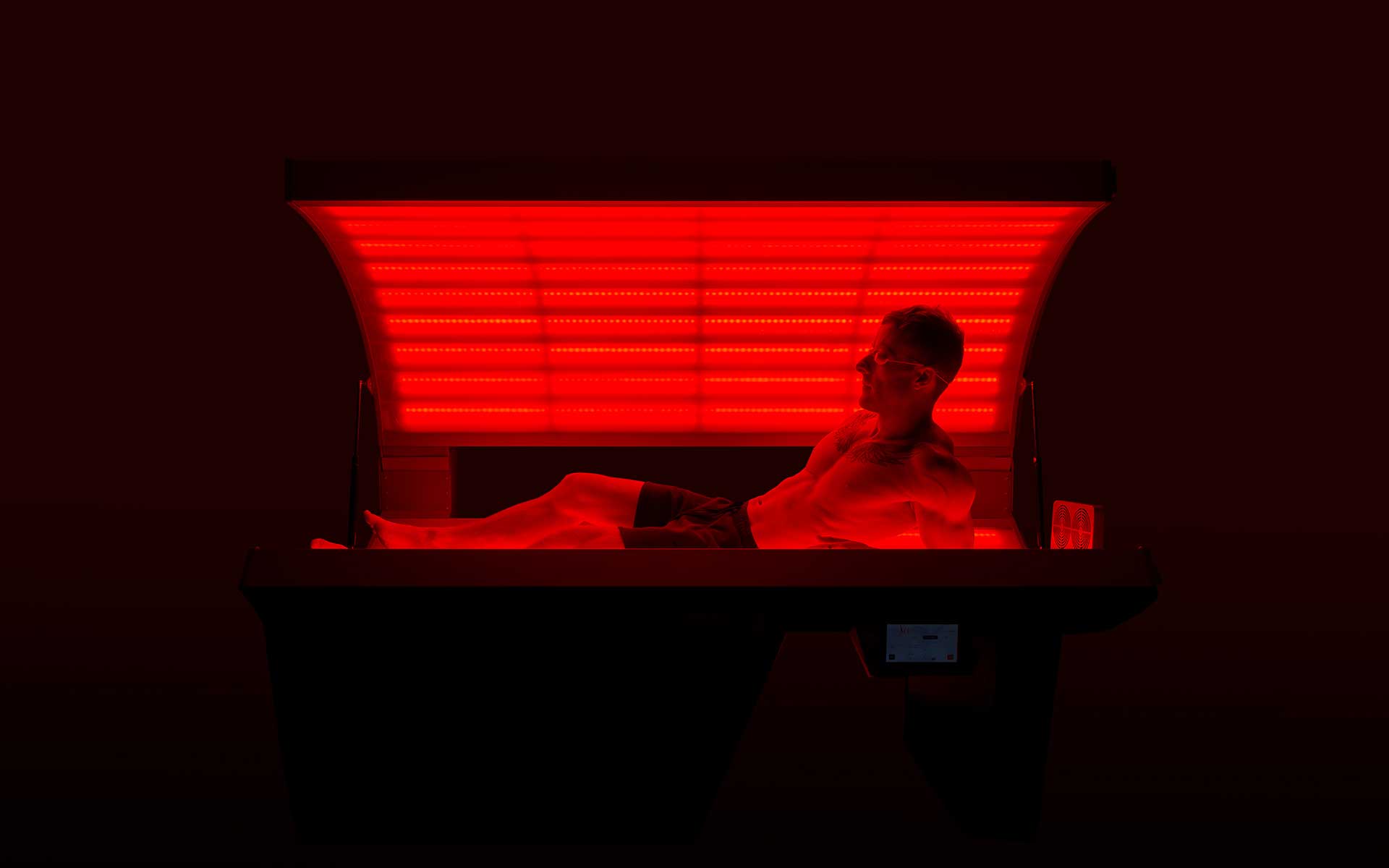
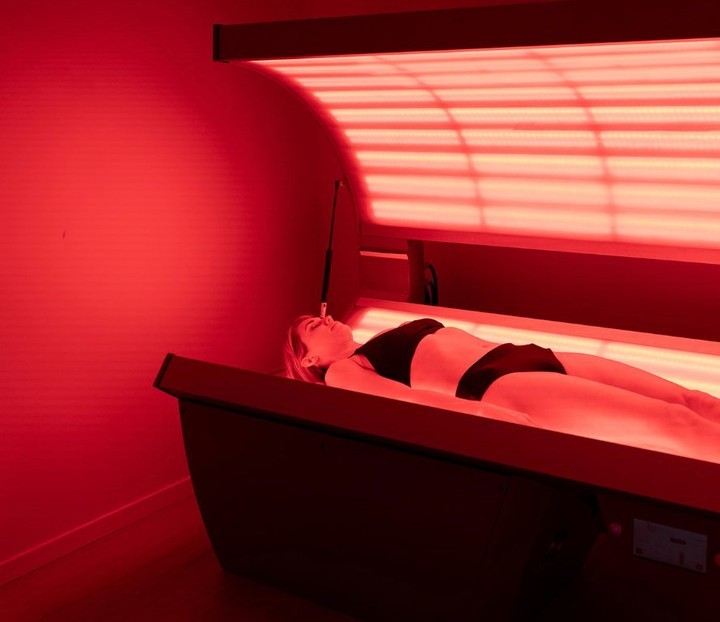
Whole-body systems such as the Total Xen red light bed are used to:
- deliver uniform coverage
- support fatigue management
complement facial LED protocols
- enhance full-body recovery programs
This integration is especially appreciated in spa clinics transitioning into evidence-based wellness technologies.
Evidence Supporting Professional Clinical Use
The scientific literature on red and near-infrared light continues to expand, with strong support for:
- fibroblast proliferation
- enhanced angiogenesis
- better wound healing
- inflammation control
- increased lymphatic flow
- improved tissue resilience
Clinics using regulated, medical-grade LED systems consistently report higher patient satisfaction, particularly when integrating PBM into post-treatment care protocols.
Selecting a Photobiomodulation System for Professional Use
Choosing the correct LED system significantly affects clinical outcomes and workflow efficiency.
Practitioners typically prioritise:
1. Wavelength Accuracy & Irradiance Stability
Exact emission ensures consistent therapeutic effect with every session.
2. ISO-Certified Manufacturing
Aesthetic Bureau devices are built within an ISO 13485:2016-compliant environment, ensuring repeatability, device safety and long-term reliability.
3. Uniform Coverage Across Treatment Panels or Beds
This is critical for predictable patient results.
4. Clinical Training & Local Technical Support
System success relies on correct usage, integration and staff competency.
5. Long-Term ROI
LED therapy offers one of the lowest running costs in any clinical environment.
- No consumables.
- Minimal staff supervision.
- High repeat booking potential.
With over 30 years of engineering and clinical training expertise, Aesthetic Bureau’s focus remains on supporting Australian clinics with dependable, medically aligned PBM systems.
Red Light Therapy in Modern Aesthetic and Spa Clinics
Red light therapy is now considered essential across multiple treatment categories because it:
- complements energy-based modalities
- enhances comfort and reduces downtime
- supports long-term skin maintenance
- integrates seamlessly into wellness and recovery programs
Its broad applicability makes it one of the most efficient and profitable technologies for clinics looking to modernise their service menu while maintaining clinical standards.
As research continues to evolve, spa and aesthetic clinics are discovering even more opportunities for red and near-infrared light to strengthen treatment outcomes at both the cellular and experiential level.