For clinicians and aesthetic professionals, understanding the applications of red light therapy is essential when expanding treatment offerings.
A growing body of evidence supports its use for skin conditions such as acne and sensitive skin, positioning it as a versatile tool in clinical settings.
This article examines how red light therapy for acne can be integrated safely and effectively, helping clinics deliver reliable outcomes for clients with varying skin sensitivities.
Understanding Red Light Therapy
Red light therapy, or photobiomodulation, uses specific wavelengths of visible red light, typically between 630–660 nm, to stimulate cellular processes.
Clinical observations suggest that these wavelengths can enhance collagen production, improve circulation, and modulate inflammation. Unlike UV-based treatments, red light does not induce photodamage, making it suitable for sensitive skin types.
Clinics using professional systems, such as the LED Light Therapy Machine, report controlled and repeatable exposure levels that minimise irritation while maximizing therapeutic effects. By targeting the skin at a cellular level, red light therapy supports skin repair processes without aggressive intervention.
Red Light Therapy for Acne
Acne is driven by inflammation, bacterial proliferation, and excess sebum production. Evidence indicates that red light therapy for acne may help by reducing inflammatory markers and supporting tissue repair. Clinical feedback from practitioners suggests the following benefits:
- Inflammation reduction: Red light can downregulate pro-inflammatory pathways, helping reduce the redness and swelling associated with acne lesions.
- Sebum regulation: Studies report that consistent light exposure may help normalise sebaceous gland activity, contributing to fewer breakouts over time.
- Supporting repair: By stimulating collagen synthesis, red light therapy aids in tissue repair, which may improve the appearance of post-acne marks.
These effects make red light therapy a useful adjunct to conventional acne management protocols, particularly for clients seeking non-invasive options.
Suitability for Sensitive Skin
Sensitive skin requires careful management to avoid irritation or adverse reactions. Unlike blue light or other higher-energy modalities, red light therapy is generally well-tolerated across diverse skin types. Professional-grade systems allow clinicians to adjust intensity and session duration, ensuring a personalised approach. Key considerations include:
- Gradual exposure: Start with shorter sessions and lower intensity to assess tolerance.
- Patch testing: Conduct initial assessments on a small area to monitor for any adverse reactions.
- Consistency: Regular, controlled sessions are more effective than occasional high-intensity exposure.
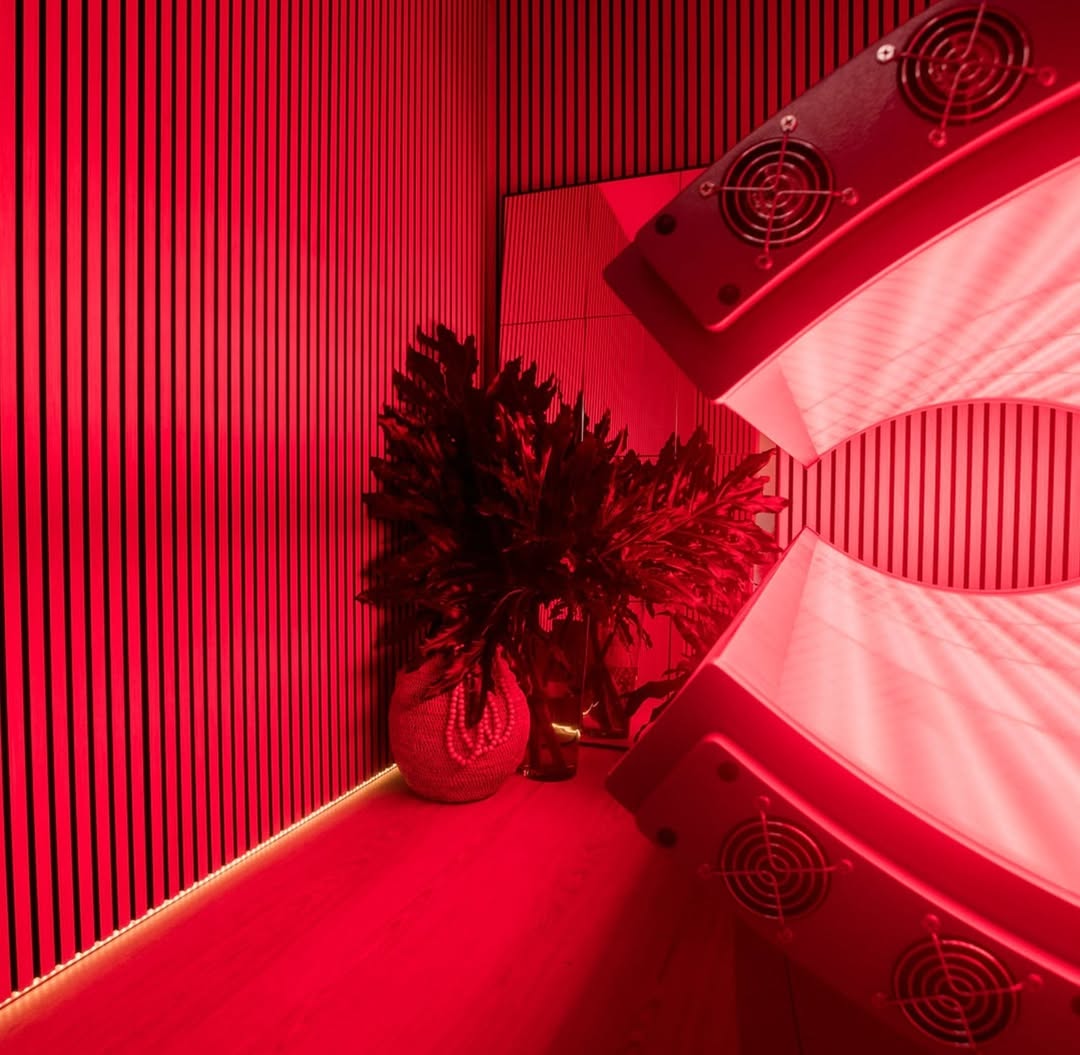
Clinics employing devices such as the Total Xen Red Light Bed have noted improved client satisfaction, particularly among those with sensitive or reactive skin, as these systems deliver full-body light evenly and safely.
Clinical Integration and Observations
While red light therapy is not a replacement for standard acne treatments, it complements existing protocols. Aesthetic professionals report that combining photobiomodulation with topical regimens can enhance overall outcomes. Observations from clinic-based use include:
- Reduced inflammation and fewer active lesions over consistent treatment cycles.
- Enhanced patient adherence due to the non-invasive nature of therapy.
- Improved skin tone and texture, supporting holistic acne management strategies.
Practitioners emphasise that the effectiveness of red light therapy depends on clinical parameters, including wavelength, exposure time, and session frequency. Using medical-grade systems ensures that these factors are optimised safely.
Key Takeaways
- Red light therapy is effective for acne and suitable for sensitive skin when delivered under professional supervision.
- Evidence and practitioner feedback indicate benefits in inflammation reduction, sebum regulation, and tissue repair.
- Professional-grade devices, such as LED Light Therapy Machines and Total Xen Red Light Beds, allow precise dosing and reliable outcomes.
- Integration into clinic protocols can support client satisfaction, improve skin quality, and enhance long-term treatment outcomes.
Clinics looking to expand their treatment menu with evidence-based, safe modalities find red light therapy for acne a valuable addition. By selecting reliable, ISO-certified devices and following clinically validated protocols, aesthetic professionals can address client concerns while maintaining high standards of safety and efficacy.