NEWS & EVENTS

Difference Between RF Microneedling and Fractional RF

Picture of Admin

Admin

V20 V-FR treatment Square

RF Microneedling:

  • Creates microdermal wounds with mechanical and heat injury at varying depths of the skin.
  • Causes micro-injuries that do not stimulate ablation or coagulation.
  • The addition of RF heat to microneedling can stimulate fibroblast cells and collagen remodelling like fractional RF, but due to lack of volumetric tissue ablation RF microneedling does not help with resurfacing the outermost layer of the epidermis.
  • Can take considerable time (up to 6 months) to see the end result.
  • Treatment tends to be associated with increased risk of adverse side effects such as scarring, fat and volume loss, along with prolonged discomfort.
  • Has reportedly had increased adverse reports to FDA and social media backlash:
      • Insulated tip devices have been said to create more instances of inadvertent lipolysis or volume loss resulting in sunken mid face and eye area.
      • Devices that are not well-engineered with customised depth of treatment and a controlled pace of delivery can more frequently cause microscarring and textural changes (such as the “orange peel” appearance) in patients.
      • Many RF microneedling reviewers have noted grid marks post-treatment on sites like RealSelf.com.
  • Patients are more prone to risk of infection with RF microneedling than with fractional RF.

V-Series RF Technology:

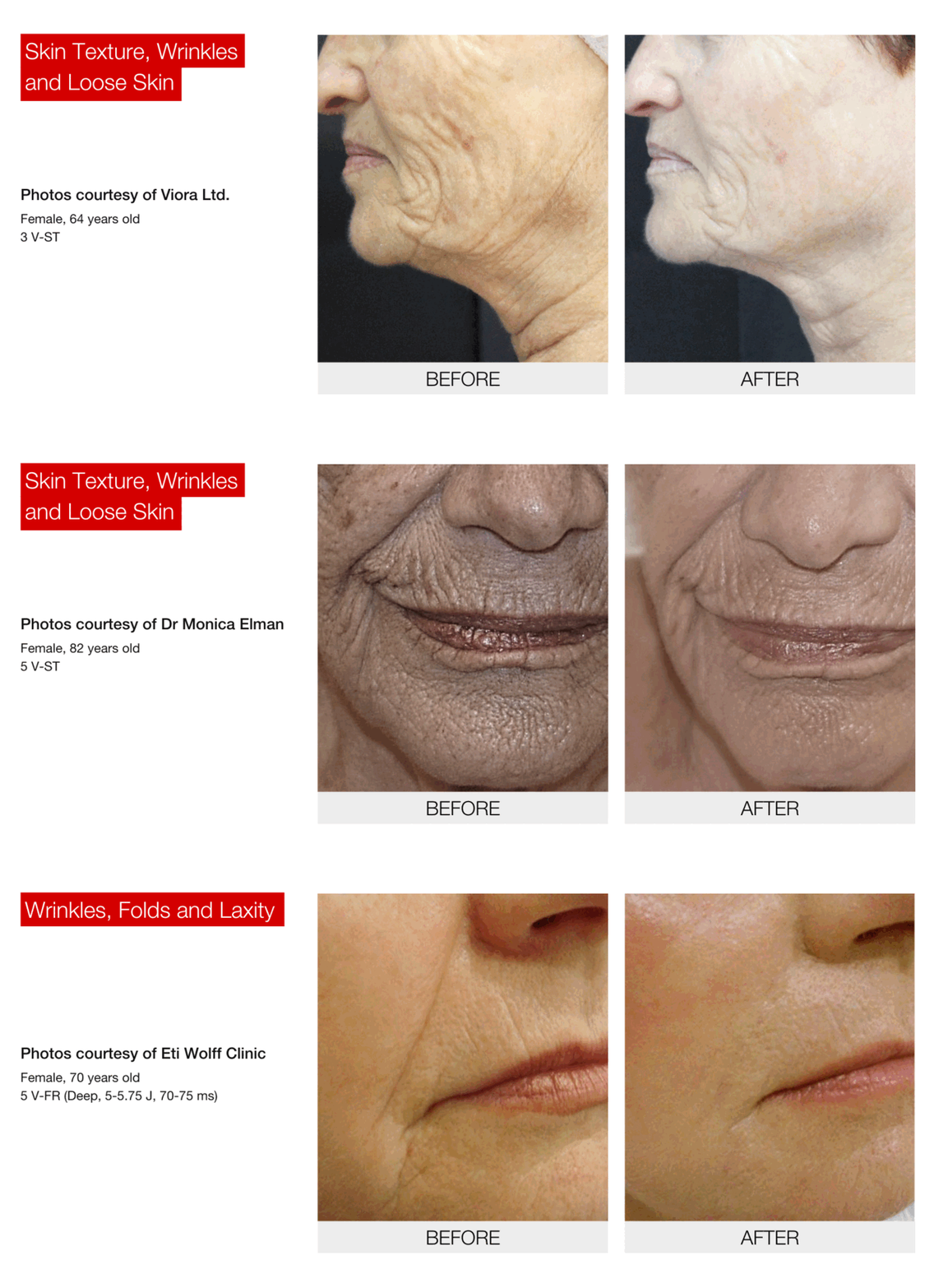
  • V-FR’s fractionated technology treats fractions of the skin at a time and preserves surrounding tissue and epidermis for more rapid healing.
  • In ablative mode, it leaves just small dots on the skin that can easily be covered up with makeup.
  • V-ST’s proprietary CORE™ technology allows depth of penetration controllability up to a maximum depth of 7.2mm.
  • V-FORM can penetrate 24.6mm deep into tissue by incorporating vacuum technology with RF energy compared with most competitor RF microneedling devices’ maximum of 8mm.
  • Any downtime is minimal and classified as social downtime rather than clinical downtime.
  • Procedure is safe for dark skin types as it’s fractionated and radiofrequency-based (colourblind unlike lasers).
  • Targets and rejuvenates both epidermal and dermal cells.
  • Can induce ablation, coagulation, and necrosis: It resurfaces the skin by removing its surface, which is beneficial for aged skin or those with acne scars.
  • Volumetric tissue ablation induces rapid neocollagenesis for rapid and more significant outcomes.
  • Comes with a cooling tip for patient comfort during the high heat of ablation.
  • Uses a vacuum to ensure flat contact with the skin, enhancing safety and comfort.
  • Comes with Smart Heat to reduce impedance and resistance of the skin, ensuring deep heat penetration and allowing for lower energy levels use, especially beneficial for darker skin types.
  • Allows for lower consumable costs as the same tip can be used for multiple treatments, improving ROI.
  • No numbing required.

Benefits of V-Series Fractional RF over RF Microneedling:

  • Offers faster healing and easy recovery because of its fractionated technology.
  • No numbing needed.
  • Provides multiple biological responses (coagulation, necrosis, and ablation) in a single treatment.
  • Can address both the depth and surface of skin issues (e.g., acne scars).
  • Versatile treatment applications across different areas of the body and a broad range of patients.
  • Safer and more comfortable for the patient due to its cooling tip and vacuum features.
  • Can safely treat dark skin types without the risk of causing hypopigmentation.
  • Minimises the risk of unintentional fat loss.
  • Comes with low cost of consumables, increasing the return on investment.
  • Results in a natural, refreshed look after treatment.
  • Has a lower risk of FDA reports and social media backlash.

Visit aestheticbureau.com.au/viora-v-series to discover more about the V-Series.

Picture of Admin

Admin

MORE ARTICLES

Red lights emanate from a grid of circular bulbs on a reflective panel, creating a warm, glowing pattern in a dim environment.

Medical-Grade vs Consumer-Grade Red Light Therapy for Clinics

TL;DR Red light therapy (RLT), also known as photobiomodulation (PBM), is booming across Australian clinics, with demand projected to rise 6.8% annually through 2027. The critical distinction? Medical-grade devices specify therapeutic energy output and comply with strict TGA standards, while consumer-grade devices often rely on high input wattage claims but

Read More »
Man receiving red light therapy at a Mount Waverley medical aesthetics clinic.

Red Light Therapy for Hair Loss

(5 month progress shots of a client who has suffered alopecia for 15 years. Courtesy of Cairns Clear Skin) While most people would be familiar with both oral and topical medications such as Minoxidil when it comes to restoring hair loss, a lesser known but effective treatment is red light

Read More »
Medical Grade Red Light Therapy Devices

5 Factors To Consider When Choosing A Red Light Therapy Device

Red light therapy has been extensively studied for its promising results for wound healing, hair growth, hormone balance, sun damage, pain, and inflammation, to name a few. These potential benefits have allowed red light therapy at home to get traction in a market saturated with supplements, herbal extracts and tinctures, and alternative fitness equipment.

Read More »
Phototherapy Treatments

Top Skin Conditions That Can Be Treated with Phototherapy Treatment

In recent years, phototherapy treatment has become an integral part of advanced aesthetic and dermatological care. As clinics continue to seek non-invasive and clinically supported solutions, LED-based systems have proven particularly effective in addressing a wide range of skin concerns. When delivered through reliable, medical-grade technology, LED phototherapy treatment can

Read More »
Shopping Cart