TL;DR
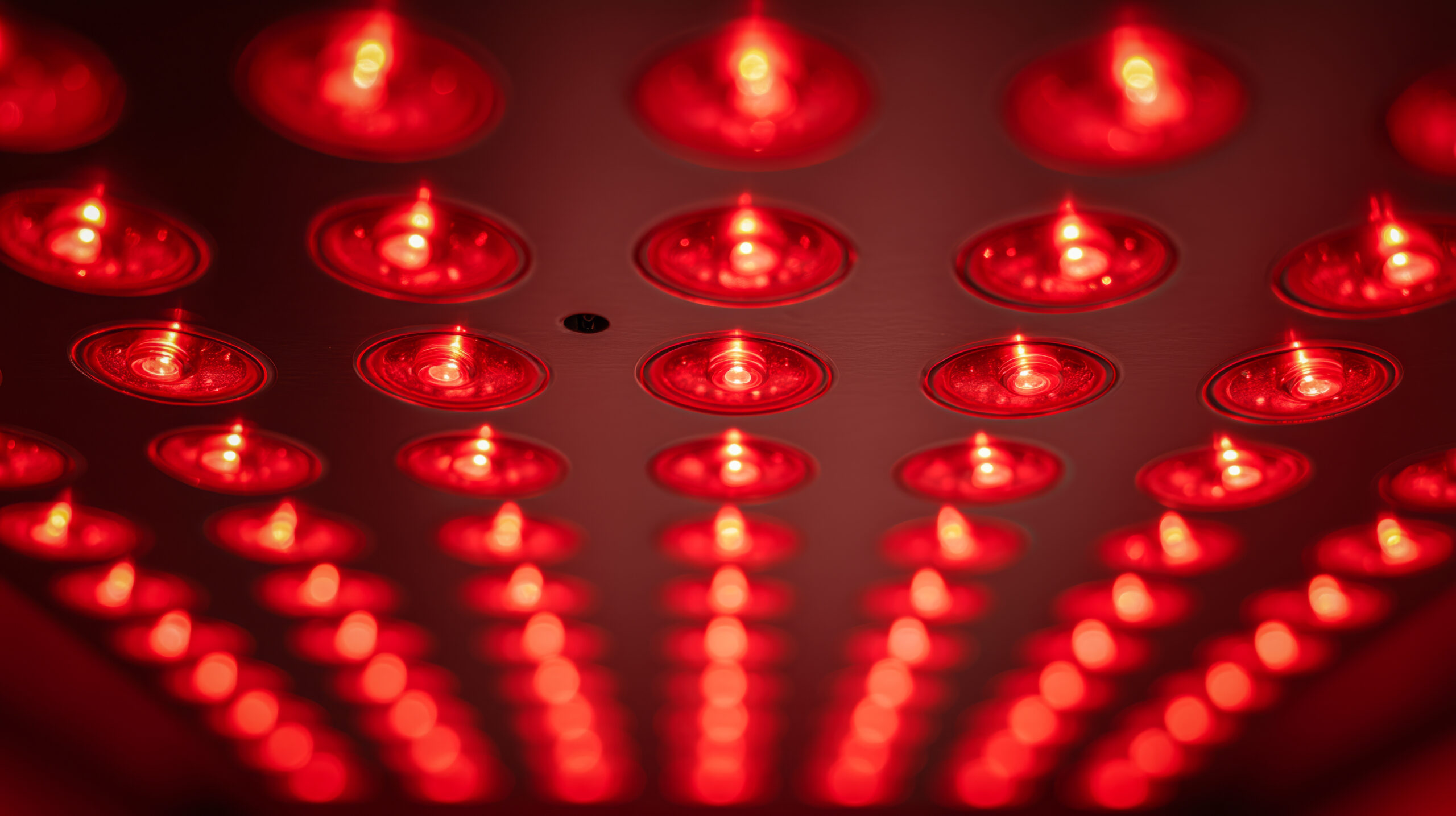
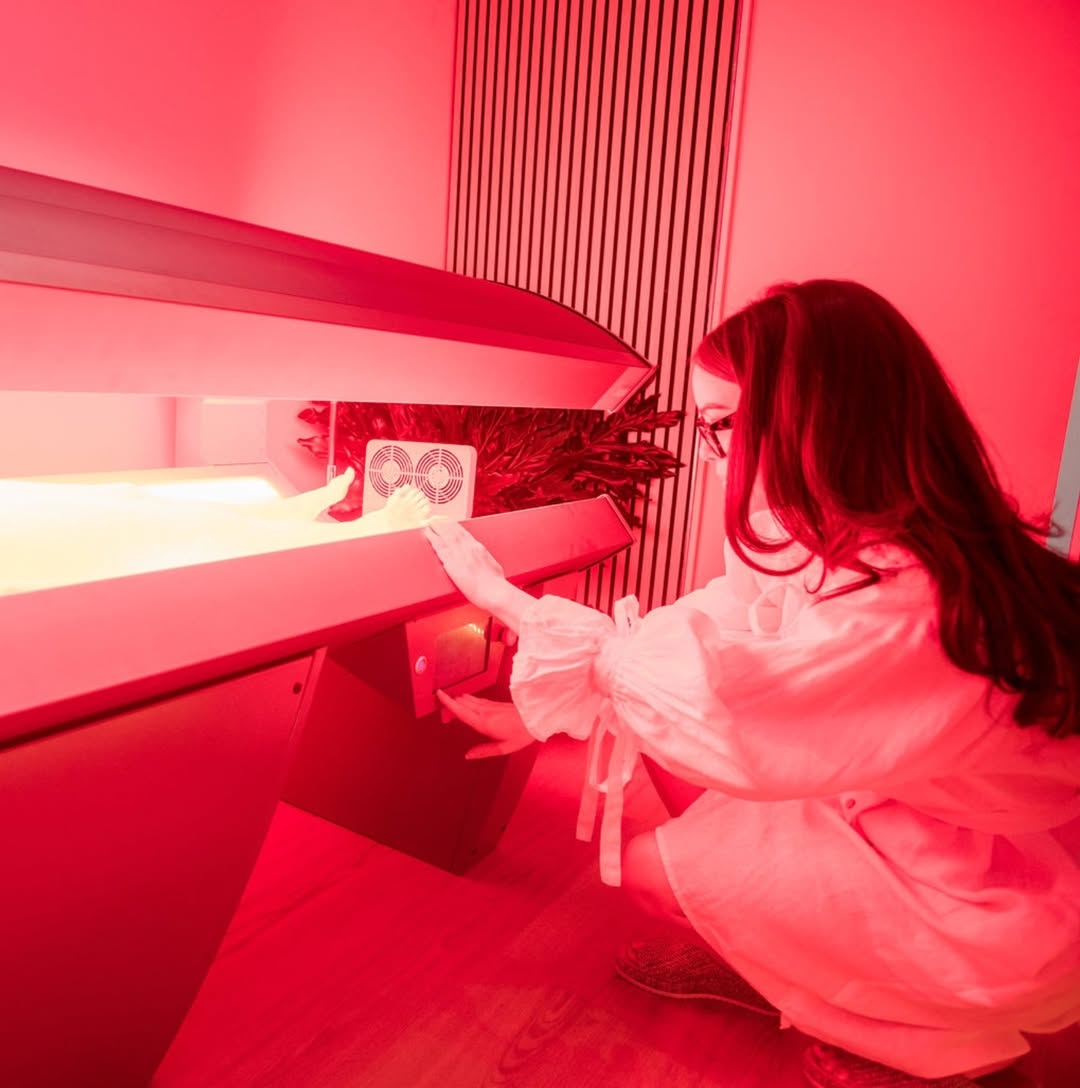
Red light therapy (RLT), also known as photobiomodulation (PBM), is booming across Australian clinics, with demand projected to rise 6.8% annually through 2027. The critical distinction? Medical-grade devices specify therapeutic energy output and comply with strict TGA standards, while consumer-grade devices often rely on high input wattage claims but lack validated output or regulatory oversight.
What’s the Difference? Medical-Grade vs Consumer-Grade Red Light Therapy
Medical-Grade PBM Devices
- Specify true therapeutic output intensity (irradiance, measured in mW/cm²): E.g., Total Xen delivers a calibrated 28mW/cm² output for repeatable clinical results.
- Use precise, clinically validated wavelengths (630–660 nm red, 810–850 nm near-infrared): These ranges are shown to accelerate cell renewal, stimulate collagen, and drive systemic healing.
- TGA-listed and ISO 13485:2016 certified: Devices like Total Xen are registered on the Australian Register of Therapeutic Goods (ARTG), meeting the highest safety and quality standards.
- Built for professional, high-throughput use: Designed for clinics with robust safety, durability, and regulatory features.
- Offer evidence-backed treatment outcomes: Benefits include pain relief, anti-inflammatory effects, improved skin health, and accelerated recovery.
Consumer-Grade Devices
- Marketed with high input wattage (like home light bulbs), but rarely specify true therapeutic output.
- Wavelengths may vary due to lower-quality LEDs—often drifting outside the clinically effective range.
- Not TGA-listed: Minimal regulation, generally designed for cosmetic or home use.
- Basic safety and durability: Not engineered for repeated clinical or professional application.
- Primarily for mild, cosmetic, or wellness effects rather than medical-grade outcomes.
Understanding Output Specifications: Why They Matter for Clinics
Accurate dosimetry—knowing exactly how much light energy reaches the skin—is critical for predictable clinical results. Medical-grade systems like Total Xen publish their measured output (irradiance), allowing for precise, evidence-based protocols. Consumer-grade devices often tout high “input power” but do not clarify how much energy actually benefits the patient.
Pro Tip: Always ask for output intensity in mW/cm² (not just input wattage) and confirm the device meets TGA or equivalent regulatory listing.
Regulatory Standards: Why TGA Compliance is Essential
In Australia, only devices that make medical claims must be listed on the ARTG. Medical-grade PBM devices like Total Xen are TGA-listed and certified to ISO 13485:2016 standards, guaranteeing independent testing and validation. In contrast, most consumer devices bypass these requirements, potentially compromising safety, reliability, and long-term results.
Key Differences and Practical Implications for Your Clinic
Therapeutic Precision & Consistent Results
Medical-grade devices enable precise dosimetry—essential for predictable, repeatable outcomes in pain management, dermatology, and recovery. Consumer-grade models, lacking validated output, can lead to inconsistent and unreliable results.
Wavelength Accuracy & Clinical Efficacy
- Clinically proven red (630nm, 660nm) and near-infrared (850nm) light penetrate to optimal tissue depth, driving true photobiomodulation.
- Lower-quality LEDs in consumer devices often drift from these effective wavelengths, limiting efficacy.
Safety, Durability, and Professional Features
- Built-in safety: Medical-grade systems like Total Xen integrate aluminium heat sinks, auto shut-off, and eye protection, ensuring safe, continuous operation in busy clinics.
- Engineered for durability: Designed to handle daily, high-intensity use—unlike consumer products intended for occasional home use.
Professional Support & Business Benefits
- Full clinical training, aftercare, and warranty: Provided with medical-grade systems, supporting staff and minimising downtime.
- Rapid ROI and revenue opportunities: Subscription and pay-per-session models allow clinics to recoup investment quickly, with Total Xen requiring as few as 38 members for break-even in under 12 months. Try our ROI calculator.
How to Choose Wisely: Your Buying Guide
Before you invest, check:
- Is the device TGA-listed? (Check here)
- Are wavelengths specified and medically validated?
- Is true output (irradiance) in mW/cm² published?
- Is the manufacturer ISO 13485:2016 certified?
- Are clinical studies or independent research available? Browse published references
- What support and warranty are offered?
Common FAQs
Q: Do I need a TGA-listed device for my clinic?
A: If you’re offering red light therapy as a medical treatment or making therapeutic claims, TGA listing is required for legal and insurance purposes in Australia.
Q: How can I compare different devices?
A: Request published output data (irradiance, not just input wattage), check for TGA or equivalent listing, and ask for clinical references supporting the specific wavelengths and benefits claimed.
Making the Right Call for Your Clinic
Investing in a medical-grade, TGA-listed red light therapy device like Total Xen gives your clinic confidence, compliance, and credibility, delivering reliable results your clients will notice and trust.
Ready to see the difference?
Download our detailed guide or book a free demo to speak with an Australian expert about upgrading your clinic.
References & Further Reading