LED red light therapy has become a core modality in many Australian clinics seeking non-invasive options for skin tightening and wrinkle reduction.
When clinicians evaluate LED red light therapy before and after outcomes, the focus is not on instant change, but on progressive, biologically driven skin improvement supported by photobiomodulation research.
How LED Red Light Therapy Works at a Cellular Level
Red light wavelengths, typically within the 630–660 nm range, penetrate the skin to stimulate mitochondrial activity.
This process supports increased ATP production, improved cellular repair, and enhanced fibroblast function, which are all critical for collagen and elastin synthesis.
Over a structured treatment course, clinics often observe gradual improvements in skin firmness, texture, and fine line depth, rather than abrupt cosmetic alteration.
Interpreting LED Red Light Therapy Before and After Results
Before-and-after assessments in clinical environments commonly show:
- Improved skin elasticity and firmness
- Reduction in the appearance of fine lines and superficial wrinkles
- More even skin tone and enhanced luminosity
Published clinical studies indicate that consistent red light exposure over several weeks can lead to measurable increases in collagen density and dermal thickness.
These changes explain why LED red light therapy before and after imagery typically reflects subtle but cumulative skin tightening rather than dramatic, short-term transformation.
LED Red Light Therapy Mask Before and After: Clinical Context
While LED red light therapy mask before and after results are frequently discussed, professional clinics prioritise medical-grade LED systems over consumer devices.
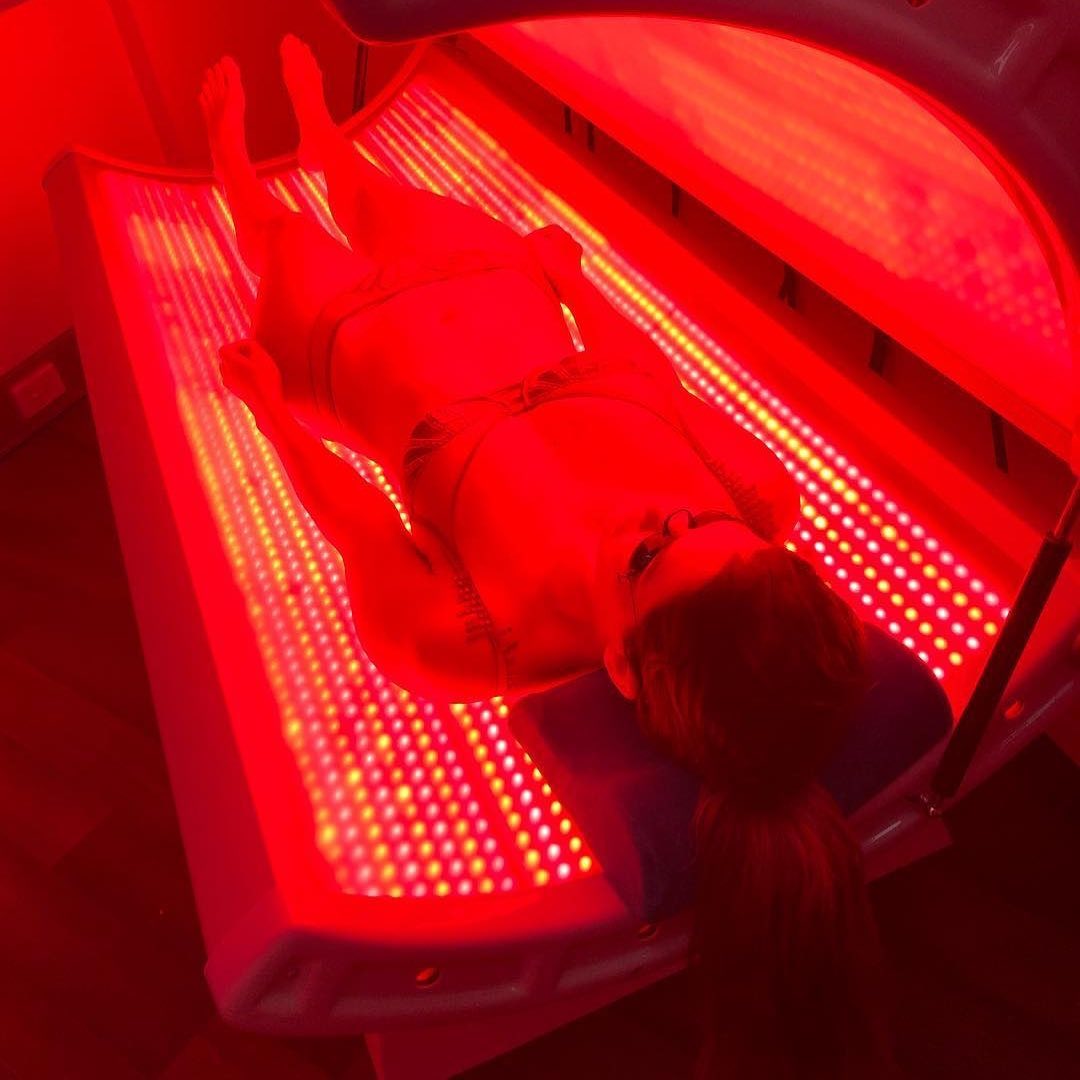
Full-panel or bed-based systems deliver controlled wavelengths, consistent energy output, and uniform skin coverage, which contributes to more reliable outcomes across larger treatment areas.
Clinics using professional LED platforms report that patient education is essential, as optimal results depend on adherence to recommended treatment intervals and protocols rather than one-off sessions.
Technology Considerations for Clinics
Clinics integrating LED systems evaluate device reliability, wavelength accuracy, and certification standards as carefully as clinical outcomes.
Medical-grade systems designed and manufactured under ISO 13485:2016 standards support long-term operational consistency, safety, and predictable performance, all of which influence patient satisfaction and clinic ROI.
For practices expanding their light-based treatment offerings, platforms such as a professional LED Light Therapy Machine are commonly selected for their versatility and protocol adaptability.
Full-body systems like the Total Xen Red Light Bed are also used by clinics seeking consistent light exposure for broader rejuvenation and recovery applications.
Clinical Outcomes and Long-Term Value
From a professional perspective, LED red light therapy is valued for its low-risk profile, compatibility with other aesthetic treatments, and suitability for long-term skin health programs.
Before-and-after comparisons reinforce that results are best framed as progressive clinical improvements supported by evidence-based protocols, rather than cosmetic guarantees.
For Australian clinics, red light therapy continues to play a role in delivering measurable skin tightening benefits while supporting patient confidence and repeat engagement through safe, non-invasive technology.